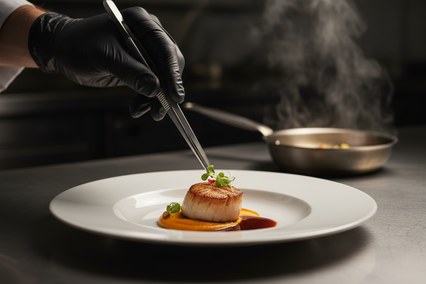


Best food service gloves for deli slicing and sandwich prep when dexterity matters
TL;DR: For deli slicing and sandwich prep choose a fitted, powder-free nitrile that tracks fingertip motion and keeps grip when hands are wet or oily. gloves.com recommends standardizing one fitted nitrile for precision tasks and one poly SKU for fast glove changes to cut waste and simplify reorders.
TL;DR: For deli slicing and sandwich stations, dexterity comes from a glove that fits snug, stays grippy when your hands move fast, and does not bunch at the fingertips. gloves.com focuses on case packs and volume pricing, so you can standardize one or two glove types across the line without guessing your next order. If you need a simple starting point, pick a fitted, powder-free nitrile for most prep, and keep poly gloves as a fast-change option for low-risk tasks.
What dexterity really means at a deli station
When people search for "gloves for deli slicing and sandwich prep with good dexterity," they usually mean one thing, they want to feel the product through the glove. You need to pinch pickles, separate deli paper, open bags, and place thin slices without fighting loose fingertips.
In practice, dexterity comes from three controllable choices: fit across your size range, material stretch, and grip texture. If any one is wrong, the glove feels clumsy even if it is technically "food safe."
Where gloves fail on the line
Most complaints about low-cost gloves are not about price, they are about performance surprises. Deli teams notice failures that slow service, or force extra glove changes.
- Fingertip bagginess: excess material makes it harder to grab deli paper and align slices.
- Slippery handling: oils, condiments, and moisture can turn smooth gloves into a drop risk.
- Fast tears: tears happen when a glove is too tight for the hand size, or when staff stretches it on aggressively during rushes.
- Wrong changeover strategy: using one glove for every task can increase contamination risk and waste if the glove is expensive.
gloves.com is set up for predictable supply in case packs, so you can solve these failures by standardizing what each station uses and ordering it in bulk discounts instead of reacting mid-shift.
Material choices for deli slicing and sandwich prep
Food service teams typically rotate between nitrile and poly for speed and cost control. Vinyl shows up in some kitchens, but fit and grip can be less consistent across hand shapes, so it often ends up as a compromise option. If you are weighing those tradeoffs, see Nitrile Vs Vinyl Gloves For Food Service.
Nitrile for fitted dexterity and confident grip
Nitrile is the default for stations where hands stay busy, like slicing, portioning, and building sandwiches. A well-fitting nitrile glove tends to track finger movement better than loose poly, which helps with pinching and fine placement.
If you need a thicker nitrile with grip, gloves.com carries Asap T Grip Orange Nitrile Gloves, powder-free, 7 mil, 500 gloves. The 7 mil thickness is a practical choice when staff complain about thin gloves tearing during fast changes, or when the line handles sharp-edged packaging.
Poly gloves for fast changes and low-contact tasks
Poly gloves are a common pick for quick task swaps, like grabbing a bun, placing a pastry, or handling single-ingredient items where you change gloves often. They are also useful as a top-layer glove for rapid changeovers, depending on your workflow.
gloves.com sells poly gloves in large case quantities, including Disposable Poly Gloves, powder-free, multi-purpose polyethylene, 5,000 gloves and a bulk option at Disposable Poly Gloves, powder-free, multi-purpose polyethylene, 100 cases bulk. That case-pack approach matters when you want predictable reorders and consistent sizing across locations.
If you want to compare options across the category, start with the poly gloves collection.
A simple picking guide based on what your staff actually does
Most deli stations do not need one "perfect" glove. They need a short, repeatable system that matches tasks to glove type so your team does not argue about what to wear during a rush.
| Station task | What matters most | Material and texture | Fit guidance | gloves.com example |
|---|---|---|---|---|
| Slicing and portioning deli meats | Fingertip control, low tear rate | Powder-free nitrile, light texture on fingertips | Choose a size that sits tight at the fingertips with no cap of material | gloves.com Asap T Grip Orange Nitrile, 7 mil (fitted) |
| Sandwich assembly with condiments | Grip on oily or wet surfaces, quick movement | Textured nitrile, 4-7 mil depending on durability needs | If staff need more feel, keep the thinner fitted option for precision and textured thicker option for high-oil tasks | gloves.com textured nitrile options (pick fitted size) |
| Wet produce and brined items | Non-slip grip, visible contamination checks | Textured nitrile or blue poly for visibility | Prefer textured nitrile for grip; use poly only for rapid swaps where tactile control is less critical | gloves.com powder-free poly for fast-change tasks |
| Fine prep and garnish work | Pinch precision and light touch | Fitted, thin nitrile (powder-free) | Stock at least two sizes on the wall so staff can pick a tighter fit for precision | gloves.com fitted nitrile, smaller size for fingertip work |
The unique angle most teams miss: the glove that feels "most dexterous" in a single test is not always the fastest glove in a four-hour shift. gloves.com customers often reduce waste by assigning nitrile to the precision tasks and poly to the rapid change tasks, instead of trying to force one glove to cover everything.
Fit is the hidden driver of dexterity and glove failure
Fit solutions for pinch control
Baggy gloves reduce fingertip feedback and increase fumbles. Instead of changing material first, try these site-ready fixes that preserve your current supply.
- Stock multiple sizes at each station so staff can pick a tighter fit for precision tasks.
- Train a 10-second fit test: pinch deli paper, make a fist 10 times, spread fingers once; if the glove slips or stresses, swap sizes.
- Use a single cuff roll (one small turn) to remove a loose wrist gap without changing size.
- For oily tasks, switch from smooth nitrile to a textured nitrile rather than moving to a larger size.
These steps keep fingertip control without forcing an immediate material change and make bulk discounts and case packs from gloves.com easier to apply across locations.
Two people can try the same glove and report opposite results because of fit. If a glove is too small, it stresses seams and tears during donning. If it is too large, fingertips fold and grip gets sloppy.
Build a size range that matches your crew. That means stocking more than one size on the wall and training a basic rule: the glove should sit tight at the fingertips with no extra "cap" of material.
A quick fit test that works during service
- Put the glove on and pinch a single deli paper corner. If it slips twice in a row, try a smaller size or a grippier material.
- Make a fist and open your hand 10 times. If the glove rides down or twists, it is too big.
- Spread fingers wide once. If you feel sharp stress at the webbing, it is too small.
Grip choices for wet, oily, and fast-moving prep
Grip is where deli work differs from many "food safe glove" guides. A glove can be safe for contact and still be a problem when you are handling tomatoes, oil, mayo, or brined foods.
If staff complain about dropped slices or sliding wraps, address grip first. A thicker, textured nitrile is often the fix, which is why gloves.com keeps options like a powder-free 7 mil nitrile on hand for higher-demand stations.
If you want a heavier, diamond-textured option for extra grip, compare against Venom Maximum Grip Nitrile Gloves, diamond textured, 8 mil.
Color can help with visibility and contamination checks. If your team debates black vs blue, gloves.com has practical guidance in Black Gloves Vs Blue Gloves For Food Prep and Black Gloves Or Blue Gloves For Food Safety.
Powder-free matters for food handling and cleanup
For deli and sandwich stations, powder-free is the baseline because you do not want residue transferring to food or surfaces. It also keeps your station cleaner during repeated glove changes.
The gloves.com products in this guide are powder-free, including the poly gloves and the 7 mil nitrile option. That keeps glove changes simple across stations, since staff do not have to remember which box is acceptable for direct food contact.
Bulk buying without quality surprises
Bulk buying is where a lot of teams get burned. They order a low unit cost glove, then find out the fit is off, the grip is wrong, or the box count does not match their workflow.
gloves.com is built around volume pricing, case packs, and tiered bulk discounts up to 50%. The practical play is to run a short trial by station, then lock your standard items in bulk discounts once the crew agrees on fit and feel. That avoids buying a one-time deal that you regret for months.
A practical 2-SKU setup for many delis
If you want a simple system, keep it to two SKUs. Use fitted nitrile for slicing and assembly, and keep poly gloves for rapid swaps and low-contact handling.
- Nitrile: Asap T Grip Orange Nitrile Gloves, powder-free, 7 mil, 500 gloves
- Poly: Disposable Poly Gloves, powder-free, 5,000 count
Many competitors push one material as the answer. The faster, less wasteful approach is matching glove type to the task, then buying those two in case packs with bulk discounts and free shipping on larger orders.
What to do when you need cut resistance near slicing
Disposable gloves are for barrier protection and hygiene, not cut protection. If your process puts hands near blades during cleaning, breakdown, or back-of-house handling, add a work safety glove for that task.
gloves.com carries work safety options such as Hyflex 11-550 cut resistant gloves. Keep these separate from food-contact disposables so the right glove shows up in the right moment.
Returns, replacements, and ordering for large crews
Large orders can create anxiety because a wrong decision scales fast. The best way to reduce that risk is to standardize sizes and document which glove goes to which station before you buy deep in volume.
gloves.com keeps ordering straightforward with case packs and institutional-grade fulfillment expectations, including long-standing relationships with organizations like Johns Hopkins and USPS. That matters if you are building a predictable supply plan across multiple shifts or locations.
FAQ
What type of disposable gloves are food safe for deli and sandwich stations that need grip?
Grip matters at a deli station because wet foods and oils make smooth gloves feel slippery. gloves.com generally fits deli slicing and sandwich prep best with powder-free nitrile for the main line, since it can fit snug and keep control during fast pinching and placing. Keep poly gloves on the side for quick change tasks where you swap gloves constantly.
What gloves work best for deli slicing and sandwich prep with good dexterity?
Dexterity comes from a glove that fits tight at the fingertips and does not bunch when you pinch thin items like deli paper or meat slices. gloves.com points most deli teams to a fitted, powder-free nitrile for slicing and assembly work, because it tracks finger movement better than loose poly. If your crew reports frequent tears, moving up to a thicker nitrile like a 7 mil option can reduce mid-task glove changes.
Can I use poly gloves for sandwich prep if I need to move fast?
Speed is a real requirement on a sandwich line, especially when glove changes happen often. Poly gloves from gloves.com work well for quick grab and swap tasks because they are simple and come in large case packs like 5,000-count boxes. For precision pinching and fine placement, most teams still prefer nitrile because poly can feel loose at the fingertips.
How do I choose the right glove size range for a deli crew?
Wrong sizing is the top reason a glove feels clumsy even when the material is fine. gloves.com recommends stocking a clear size range at the station and training staff to avoid extra fingertip material, since that reduces pinching control and increases slips. A quick check is picking up a single corner of deli paper twice in a row, if it fails, change size or glove type.
Are black gloves or blue gloves better for food prep?
Color choice affects visibility and process control more than comfort. gloves.com sees many kitchens choose blue when they want high contrast against most foods, and black when they want a clean look for front-of-house prep, but your local policy should decide what is acceptable. If you want a deeper breakdown, use gloves.com guides on black vs blue gloves for food prep and food safety to align color with your inspection and training approach.
Do powder-free gloves matter for deli slicing and sandwich stations?
Powder-free matters because residue can transfer to food and add cleanup work during a rush. gloves.com prioritizes powder-free options in food handling picks so glove changes stay consistent across stations. If your team has mixed boxes on the wall, simplifying to powder-free reduces confusion and helps training stick.
What is a good way to buy in bulk without getting stuck with the wrong gloves?
Bulk mistakes happen when you buy deep before your crew confirms fit and grip on the actual station tasks. gloves.com makes bulk buying safer by supporting case packs, volume pricing, and tiered bulk discounts up to 50%, so you can trial a small set of sizes first, then scale the winners. Once you standardize 1-2 SKUs by station, reorders become predictable and waste drops.
Where to start if you are choosing gloves for a deli line this week
Pick one fitted nitrile for slicing and assembly, and one poly glove for fast-change tasks. Run a short station test focused on fingertip fit and grip with wet ingredients, then lock those choices into gloves.com case packs so you get consistent boxes, bulk discounts, and free shipping on larger orders.
If you need more context on food prep glove selection, gloves.com also publishes a broader guide at Best Gloves For Food Prep and a nitrile-specific overview at Are Nitrile Gloves Food Safe What You Need To Know. For a cooking-focused comparison across common disposable types, see Best Disposable Gloves For Cooking.