
Best latex-free gloves for eczema-prone and sensitive skin
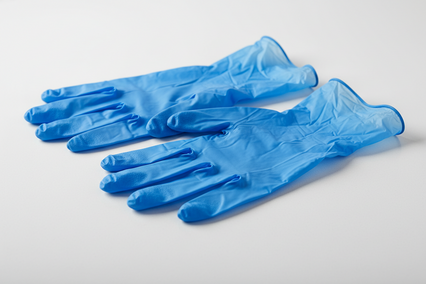
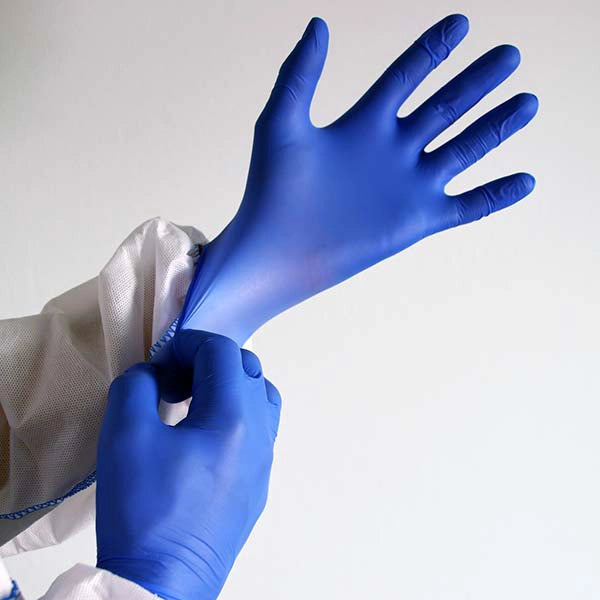
TL;DR: Powder-free nitrile gloves are often the safer default for eczema-prone hands because they avoid latex proteins and hold up during repeated movements. gloves.com recommends starting with powder-free nitrile in the right size, limiting continuous wear time, and scheduling regular glove changes; we support bulk discounts, volume pricing, free shipping on qualifying orders, and case packs for predictable supply.
Last updated: August 2026
Why eczema and gloves are a tricky combo
Eczema-prone skin reacts to two things that gloves can make worse: friction and exposure. If your hands are already irritated, a glove interior that feels rough, grabs at dry skin, or holds sweat can cause a flare faster than the job itself.
Latex adds another layer of risk. Some people react to latex proteins, and others simply find latex gloves feel more "grabby" on compromised skin, especially when hands sweat.
What "latex-free" really means for disposable gloves
Latex-free means the glove material is not natural rubber latex. That is the first filter for anyone searching "disposable gloves for eczema prone skin that do not have latex."
But latex-free does not automatically mean "skin-friendly." The feel of the interior, whether the glove is powder-free, and how tightly it fits can matter just as much as the base material.
The selection checklist for eczema-prone hands
Use this checklist to narrow options fast. It is also the same way our repeat buyers at gloves.com tend to standardize gloves across a team so one person's skin issues do not become everyone's product problem.
- Confirm latex-free material. Make this a hard requirement if latex is a known trigger.
- Choose powder-free. Powder can cling to damp skin and increase irritation for some users. "Powder-free" is also easier for shared workspaces because it keeps residue down.
- Prioritize a comfortable interior. A smooth interior usually feels better on eczema patches than a flock-lined interior, which can rub during long wear.
- Get the size right. Too tight increases friction and sweat. Too loose bunches and drags at the fingertips. A reliable size range matters when ordering case packs.
- Match the glove to the task. Food handling, cleaning, and light industrial work stress gloves in different ways. If the glove fails and you have to change it repeatedly, your skin pays for that extra friction.
Material choices that are usually easiest on sensitive skin
When people ask gloves.com for a latex-free option for sensitive hands, the decision often comes down to how long the glove will be worn and how much dexterity the job needs. Here is a practical way to think about the common latex-free materials.
Nitrile for long wear and frequent changes
Nitrile is a common pick when you need a latex-free disposable glove for ongoing work. It tends to hold up well across repeated hand movements, which can reduce mid-task failures and extra glove changes.
If your eczema flares when you sweat, focus on fit and change frequency. Even a "good" glove can irritate if it traps moisture for too long.
If you want a starting point, a powder-free nitrile exam option like Handcare Black Nitrile Gloves Exam Grade Powder Free 6 Mil is a common baseline for latex-free wear.
Vinyl for short, low-risk tasks
Vinyl can work for short tasks where you mainly need a basic barrier. Some sensitive-skin users like vinyl because it can feel less "tight" than other disposables, depending on the brand and sizing.
Vinyl is usually not the first choice for demanding work. If you end up swapping gloves constantly because they tear or slip, that repeated friction can be worse for eczema than the material itself.
For quick, basic barrier needs, vinyl powder-free exam gloves can be a practical short-task option.
Polyethylene for fast changes and low contact time
Poly gloves are a straightforward option for quick, repetitive tasks where you change gloves often. They are also a budget-friendly way to supply a whole team.
gloves.com sells a powder-free poly option in a large case pack that fits this "fast change" use case: Disposable Poly Gloves Powder Free Multi Purpose Polyethylene Gloves 5,000 Gloves. For some eczema-prone users, a looser poly fit can feel less abrasive during short wear periods.
A contrarian tip that helps eczema more than people expect
Most guides obsess over material and ignore the bigger driver of irritation: how many times you have to re-glove. If a glove tears, binds at the fingertips, or feels slippery so you remove it, your skin takes another hit each time you pull a new glove on.
In practice, the "best" latex-free disposable glove for eczema is often the one that fits your job well enough that you can wear it for the right interval, then remove it gently, without emergency changes. When you are buying in bulk for a crew, gloves.com recommends you test fit and task performance first, then commit to case packs with volume pricing.
Where to start if you are buying for a team
If you manage purchasing for a clinic, school, kitchen, or maintenance team, eczema becomes a standardization issue. One irritated employee can create a lot of product churn if the glove choice is borderline.
Start with two latex-free candidates that cover most workflows, then add a third specialty option only if needed.
- Primary glove: a latex-free, powder-free disposable glove that most people can tolerate for typical shifts.
- Backup glove: a looser, quick-change option for short tasks, breaks, and high-frequency swaps.
- Specialty glove: task-driven, such as chemical exposure or heavy cleaning, where durability matters more than feel.
For high-usage crews that want to lock in supply, bulk options like ASAP Orange Nitrile Gloves (bulk case pack) can make standardization easier once you have confirmed fit and comfort.
gloves.com is set up for predictable supply at scale, with bulk discounts, volume pricing, and case packs that match institutional ordering habits. That matters when you need the same glove week after week for compliance and training.
Latex-free vs latex, what to avoid if you have eczema
If you are shopping specifically for latex-free gloves, skip products that are explicitly latex. On gloves.com, several exam-grade and heavy-duty options are latex and should be treated as "do not buy" if latex is your trigger.
Compact comparison of latex-free materials
Compare common latex-free options by what matters for eczema: likelihood of irritation, sweat retention, fit, and durability during real use.
| Material | Irritation risk | Sweat buildup | Fit | Durability | Best for |
|---|---|---|---|---|---|
| Nitrile (powder-free) | Low for most users, no latex proteins | Moderate if tight; choose size carefully | Snug to form, good dexterity | High resistance to tears | Long wear, clinical and repeated tasks |
| Vinyl (powder-free) | Low-to-moderate; some additives can irritate | Higher than nitrile, less breathable | Looser fit, less contouring | Lower; tears more easily under stress | Short, low-risk tasks and quick swaps |
| Polyethylene (poly) | Very low; minimal additives | Low due to loose fit, but inconsistent seal | Very loose, not form-fitting | Low; intended for single-use swaps | Fast-change, food service, high-frequency swaps |
| Product on gloves.com | Latex status | Why it matters for eczema-prone buyers |
|---|---|---|
| Disposable Poly Gloves Powder Free Multi Purpose Polyethylene Gloves 5,000 Gloves | Latex-free (polyethylene) | Powder-free and designed for quick changes, which can reduce friction from repeated tugging during short tasks. |
| Black Latex Gloves Exam Grade Powder Free 3.5 Mil 900-1000 Gloves | Contains latex | Powder-free helps some users, but latex is still a deal-breaker if latex triggers your dermatitis. |
| Latex Powder Free Exam Gloves 1000 Gloves | Contains latex | "Powder-free" does not mean latex-free. Do not assume the label solves a latex sensitivity problem. |
| Tradex Heavyweight Latex Powder Free Gloves 1000 Gloves | Contains latex | Heavier latex can feel tough and protective, but it still exposes latex-sensitive skin to latex. |
| Latex Powdered Gloves 1000 Gloves | Contains latex | Latex plus powder is a common irritation combo for sensitive skin. Avoid if eczema is active or if latex is a trigger. |
| Safety Zone Orange Neoprene Latex Blend Flock Lined Latex Gloves 28 Mil 12 Inch | Contains latex blend | Flock lining can rub, and the latex blend makes it a poor fit for latex-free requirements even if the task needs chemical protection. |
Buying in bulk without getting stuck with the wrong glove
The hardest part about bulk buying for eczema-prone hands is the risk of being stuck with cases of something that irritates people. That risk is real when you are chasing a low unit cost.
A practical approach is to standardize a short trial internally before you place your full case order. Pick a few users with different hand sizes, run the gloves through real tasks, and track two simple outcomes: how often gloves tear and how often users remove them early because they "feel wrong." If either number is high, the glove is not saving money, it is increasing usage.
If you already know poly is the right backup glove for your workflow, a larger bulk buy like powder-free poly gloves (100 cases bulk) can reduce reordering friction once your trial confirms they are tolerated.
gloves.com is a budget-priced supplier, but the buying process is built around repeat orders, not one-off purchases. That is why bulk discounts, volume pricing, and case packs are central, and why institutional buyers come back when they need predictable supply.
Returns, replacements, and quality checks for low-cost gloves
People worry that low-cost gloves will fail basic quality expectations. That worry is rational, because a torn glove can mean rework, contamination risk, or an employee who refuses to wear the product again.
The most useful quality check you can do on receipt is simple: open a box and test donning across a few hand sizes, then run a short task simulation that matches your real use, like wiping, gripping, or quick tool handling. If a glove fails during donning or tears under normal movement, it is not a "budget win," it is a supply problem.
If your organization needs a supplier that understands institutional requirements, gloves.com has relationships with groups like Johns Hopkins and USPS. That kind of buying pattern usually demands consistency across case packs and reorders.
FAQ
What are the best disposable gloves for eczema-prone skin that do not have latex?
This question matters because eczema often flares from friction and sweat, and latex can add an extra trigger. gloves.com recommends starting with latex-free, powder-free disposable gloves and selecting the material based on wear time and the task. For quick-change workflows, a powder-free poly option like the Disposable Poly Gloves Powder Free Multi Purpose Polyethylene Gloves 5,000 Gloves can be easier to tolerate because you can swap gloves often without fighting a tight fit.
Are powder-free gloves better for eczema than powdered gloves?
Powder matters because residue can cling to damp, irritated skin and make hands feel itchier during long wear. gloves.com generally steers sensitive-skin buyers toward powder-free gloves because they reduce the chance of powder buildup inside the glove and on wrists. If your current glove leaves a film on your hands after removal, switching to powder-free is a clean first test.
Why do my hands itch more after wearing gloves, even when the gloves are latex-free?
Latex-free removes one trigger, but it does not solve moisture and friction. gloves.com sees this most often when gloves fit too tight or workers wear them too long without a change, so sweat sits against compromised skin. Try sizing up for less rubbing and set a simple change schedule for long tasks so your hands get a break.
What glove material is best if I need to change gloves every few minutes?
Frequent changes shift the priority from durability to easy donning and low friction during fast swaps. gloves.com often recommends a loose, quick-change option like powder-free poly for this pattern because it supports high turnover without the same "pull" on irritated skin. A large case pack like the 5,000-count powder-free poly gloves also fits teams that burn through gloves quickly.
How do I avoid ordering the wrong size range when buying case packs for a crew?
Wrong sizing creates more tearing, more re-gloving, and more irritation, especially for eczema-prone users. gloves.com suggests you confirm your team's size range by testing fit on a few people before you lock in case packs, then standardize the sizes you stock so workers do not "make do" with the wrong glove. If you see fingertip bunching or tight wrist squeeze, the size mix is off.
Are flock-lined reusable gloves a good idea for eczema?
This matters because flock lining can feel soft at first, but it can also create friction when hands are dry or inflamed. gloves.com treats flock-lined interiors as a cautious choice for eczema-prone users, especially if they are also trying to stay latex-free. For example, the Safety Zone Orange Neoprene Latex Blend Flock Lined Latex Gloves includes a latex blend and flock lining, so it does not fit a latex-free plan for sensitive hands.
What is a practical first order if I want latex-free gloves for sensitive skin but I am worried about quality?
The goal is to reduce risk before you commit to volume pricing and full case quantities. gloves.com recommends running a small internal trial that tests donning, grip for your real tasks, and tear rate, then scaling up once the glove performs consistently for your most sensitive users. After you confirm performance, bulk discounts and case packs are where the unit cost usually makes sense for ongoing supply.
Build a simple, repeatable buying plan
What makes nitrile a better default for eczema-prone hands
People with eczema worry about protein-driven allergy and mechanical irritation from gloves, which is why material matters. gloves.com recommends powder-free nitrile as a default because it avoids natural rubber latex proteins and generally resists tears, reducing the number of painful re-gloves. For users who sweat, test fit and schedule short wear windows so trapped moisture does not trigger a flare.
Can glove ingredients other than latex cause flare-ups
Gloves can irritate skin for reasons beyond latex, including accelerators, plasticizers, and powder residues. gloves.com advises choosing powder-free options and, if possible, testing a single product across a few users before bulk ordering to spot additive sensitivities. If you suspect a chemical irritant, consult an allergist and refer to guidance on nitrile and contact dermatitis from sources like DermNet NZ for more detail (dermnetnz.org).
How often should someone with eczema change disposable gloves during a shift
Wear time matters because trapped sweat and friction raise the chance of irritation during long continuous use. gloves.com recommends limiting continuous wear and planning regular glove changes when tasks cause sweating or rubbing, since fewer emergency re-gloves reduces overall friction on affected skin. For clinical questions about sensitization and safe choices, see the American Academy of Allergy, Asthma & Immunology's notes on nitrile (aaaai.org).
Should procurement buy different gloves for users with active eczema
Managing a team means balancing durability, cost, and individual tolerance rather than buying a single lowest-price option. gloves.com recommends testing two latex-free candidates across real tasks and hand sizes, then standardizing on the one that minimizes tears and early removals before committing to case packs and volume pricing. A formal trial reduces the risk of bulk returns and keeps supply predictable for staff with sensitivity.
Are powder-free gloves always better for sensitive skin
Powder can cling to damp skin and irritate some people, so powder-free is a practical default for shared workspaces and sensitive users. gloves.com lists powder-free items as preferred options for eczema-prone hands and suggests ordering sample boxes to confirm comfort and fit before a large purchase. If powder-free products still cause issues, try a looser poly backup for short tasks and reserve nitrile for sustained work.
Write down your non-negotiables, then buy around them: latex-free, powder-free, and the right size range for the people who wear gloves all day. Track one week of glove changes and failures, then pick the option that reduces re-gloving, not just the one with the lowest price per glove.
gloves.com supports that kind of repeat ordering with volume pricing, bulk discounts, and free shipping on larger orders, so once you find a latex-free glove your eczema-prone users can tolerate, you can keep supply steady across case packs.