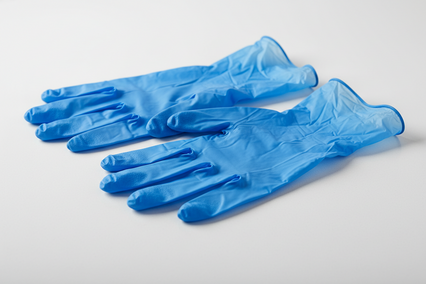
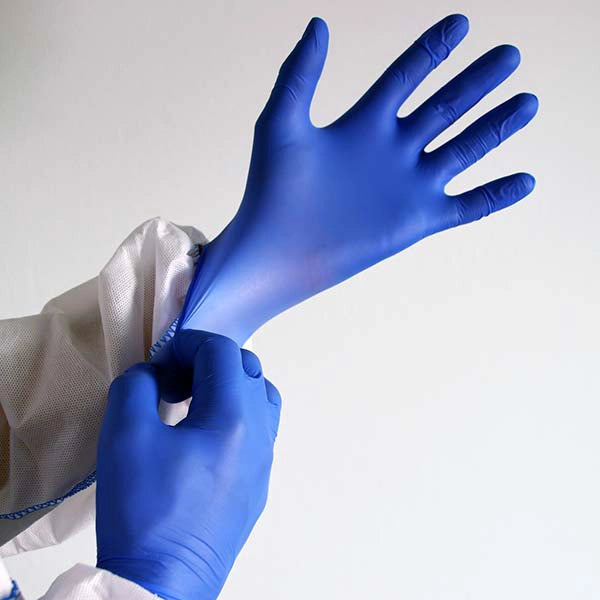
Chemical Resistant Gloves
Chemical Resistant Gloves Best Options
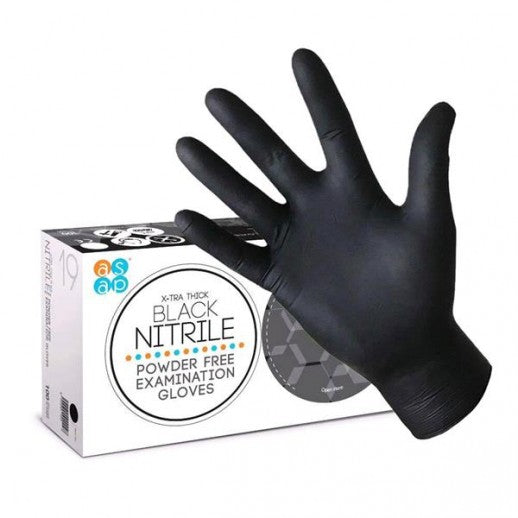
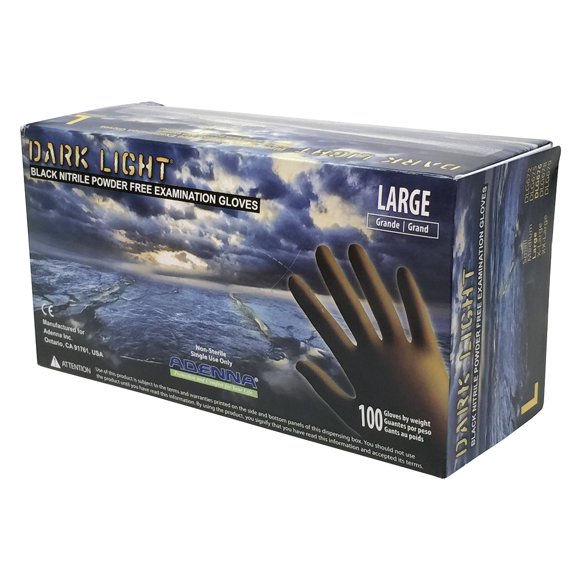
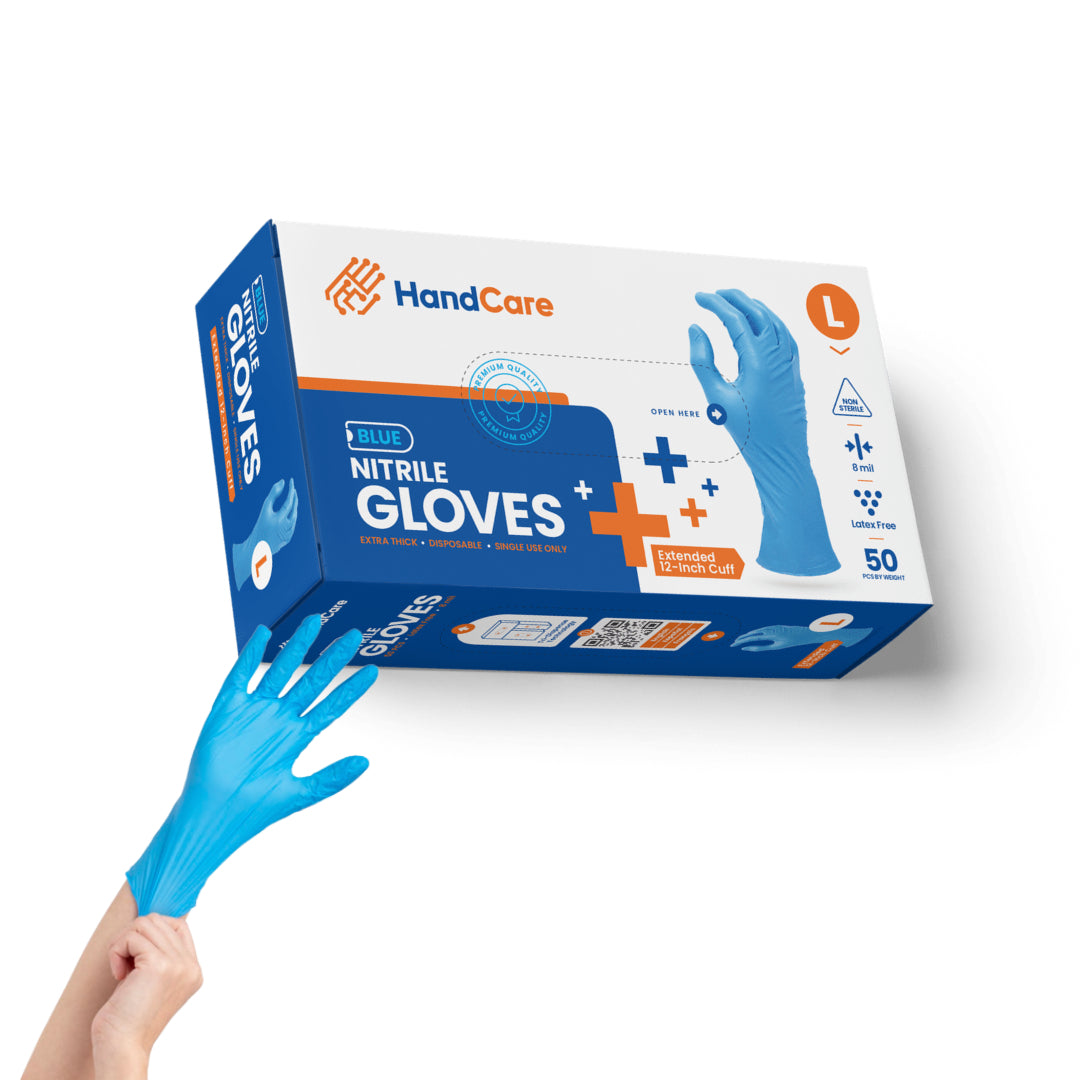
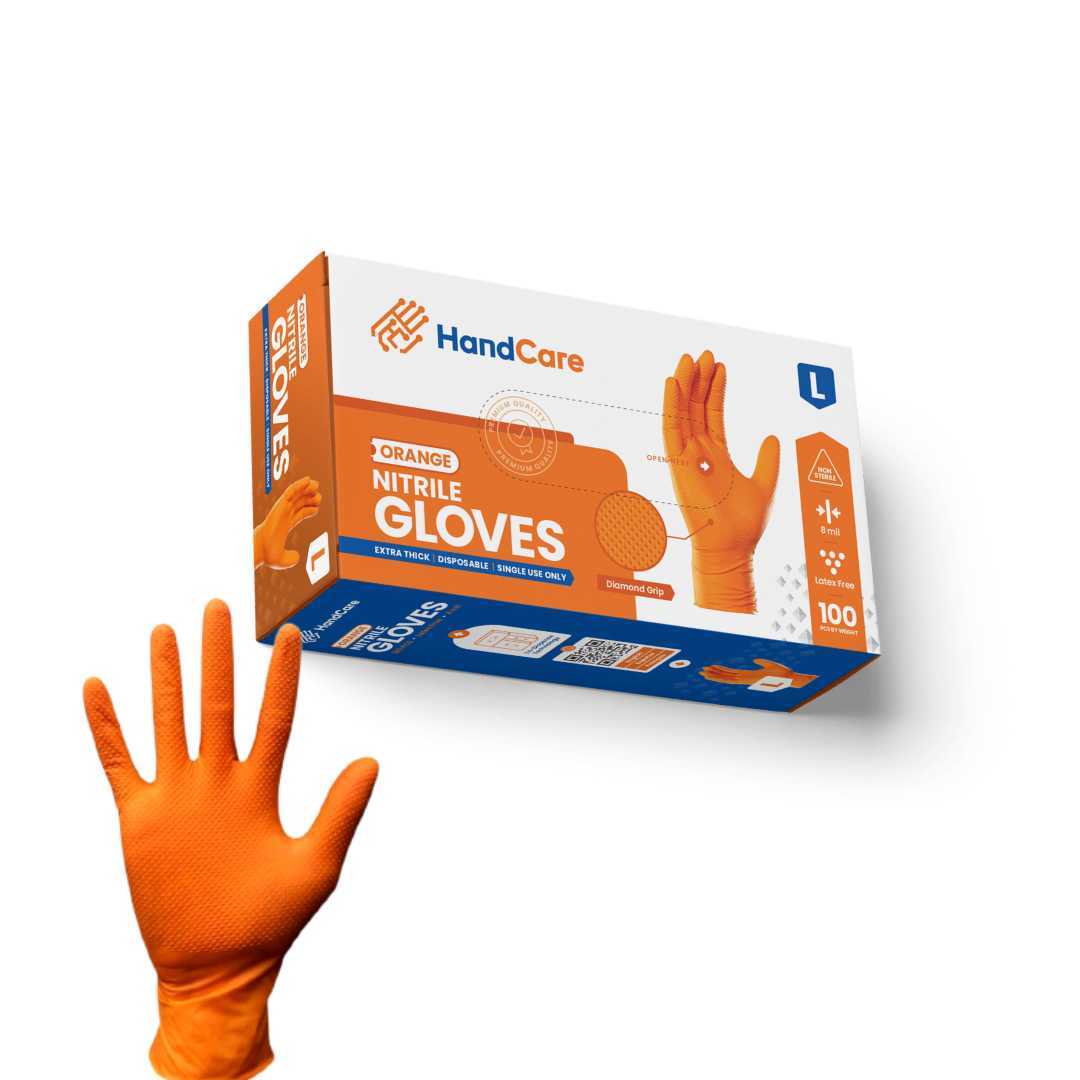
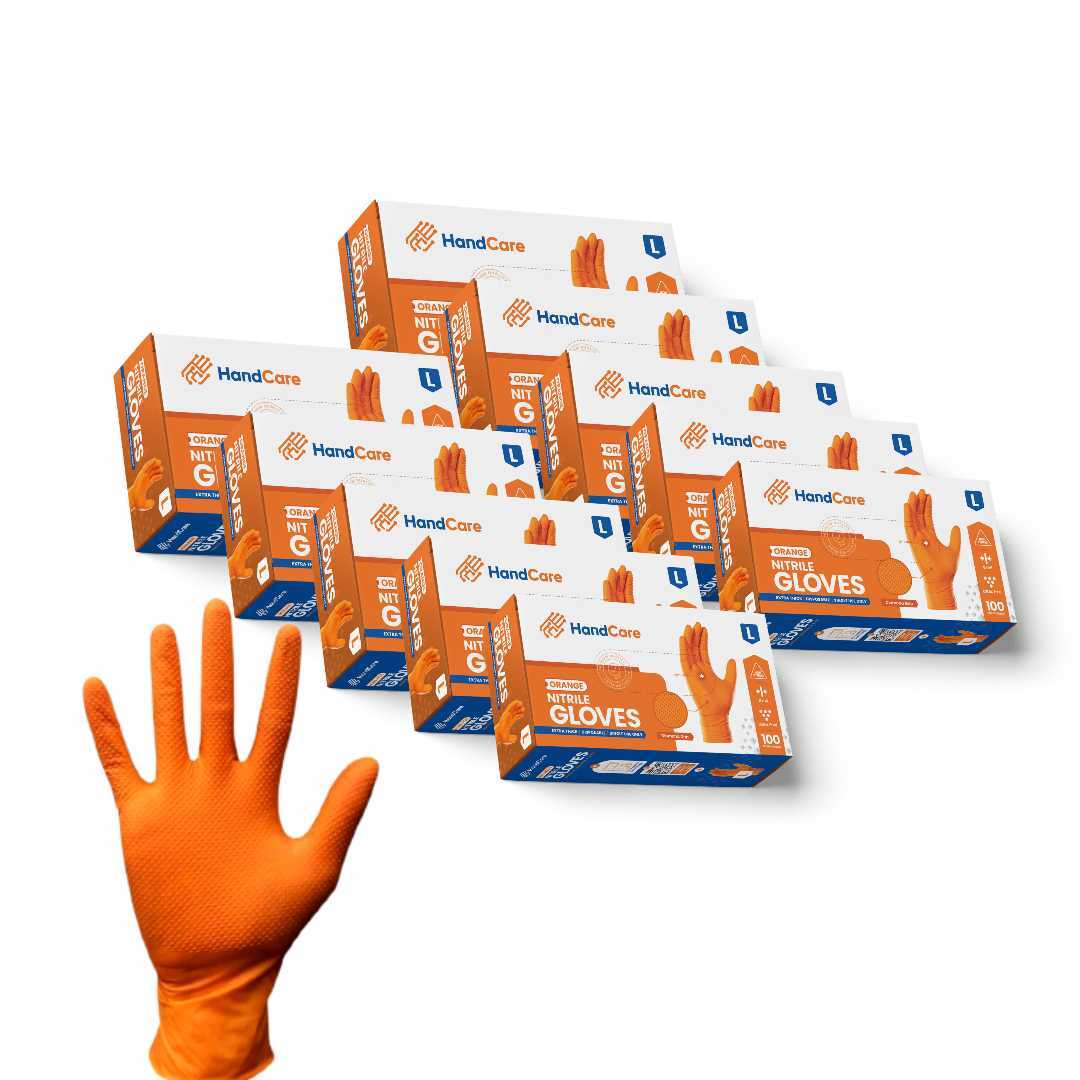
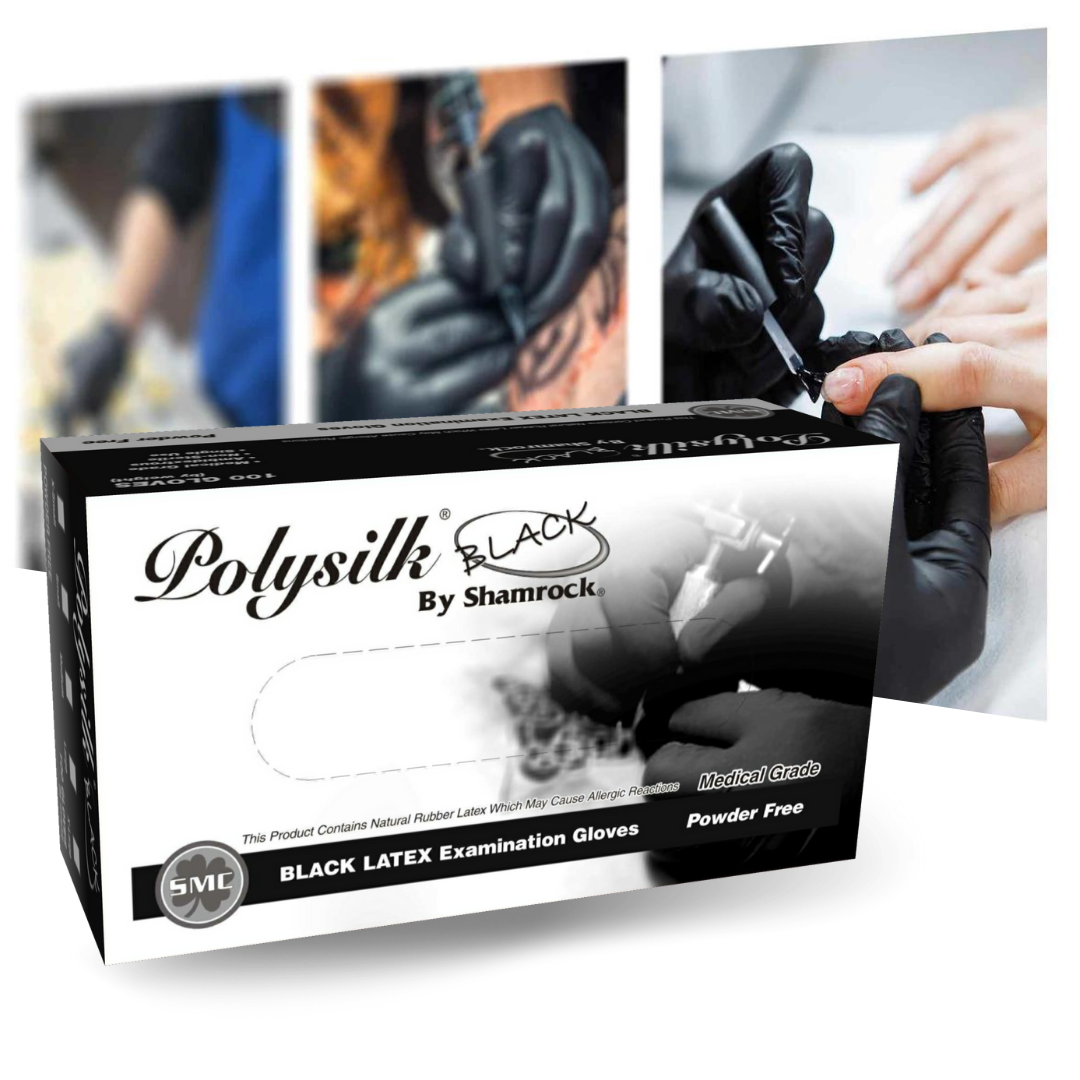
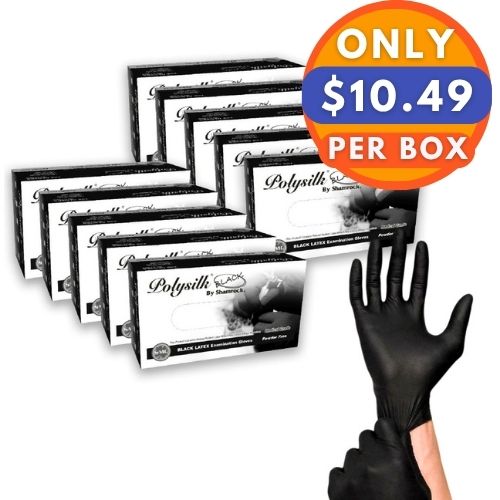

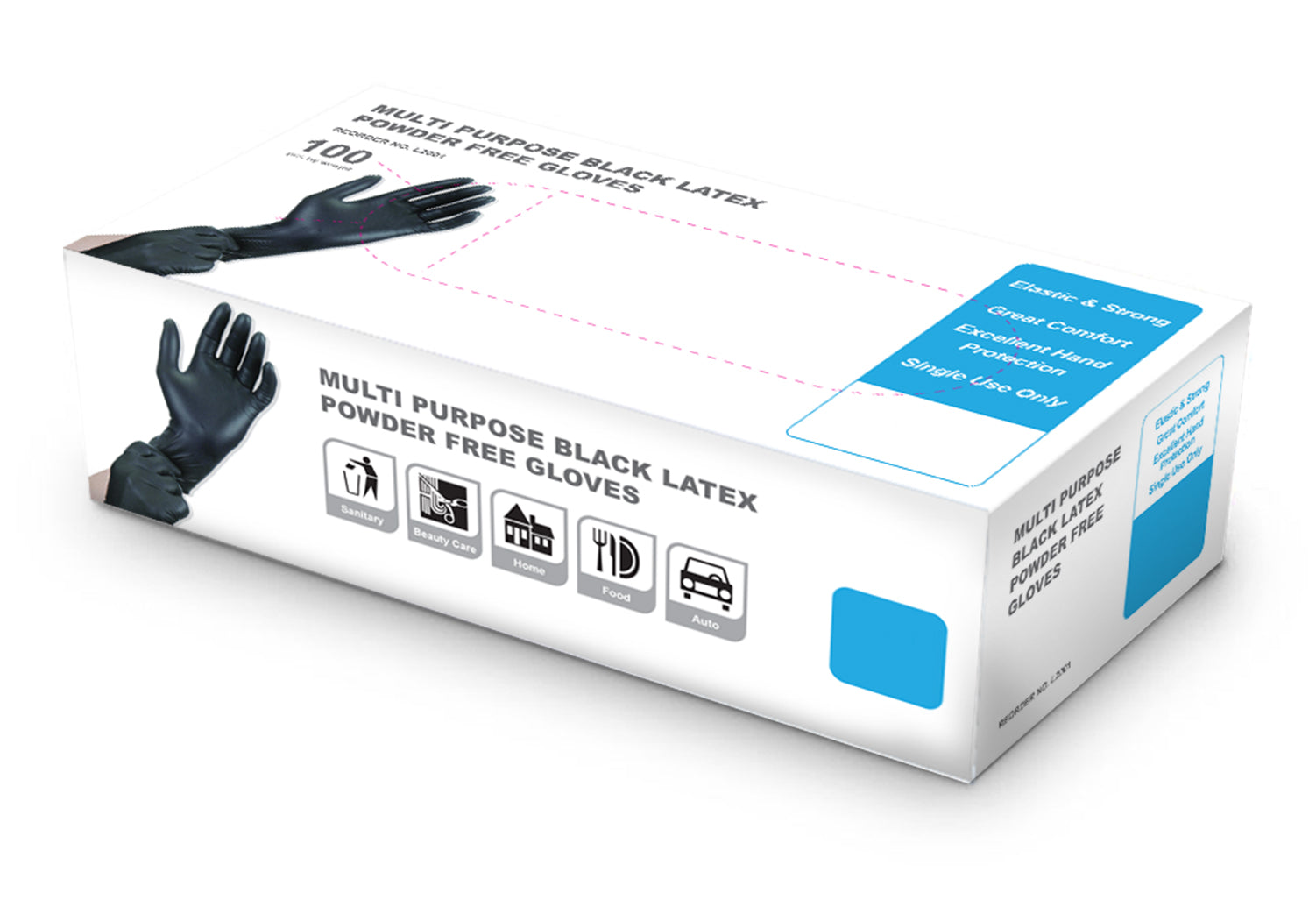
After trying many different type of gloves from amazon, finally found ones with good fit and quality. Would recommend!
Good size, not too tight, not too loose. Strong material, don’t rip like others I’ve used. Recommend
These gloves are thicker and well made. They fit snug, which I like. Met my expectations and would recommend.
Chemical-Resistant Cleaning Gloves
Last updated: August 2026
Best choice by cleaner type
| Cleaner | Recommended disposable material | Typical thickness | When to step up |
|---|---|---|---|
| Bleach (sodium hypochlorite) and concentrated disinfectants | Nitrile, powder-free | 6 mil or 8 mil | Frequent contact or spills, switch to 8 mil or to reusable chemical-resistant gloves |
| Ammonia-based cleaners | Nitrile | 6 mil | Long soak or mixing with other cleaners, use 6-8 mil or move to reusable gloves |
| Degreasers and solvents (light) | Nitrile | 6-8 mil | Strong solvents or repeated exposure, use thicker disposable or a solvent-rated reusable glove |
| Acid cleaners (muriatic, descalers) | Nitrile for short tasks; prefer reusable chemical-resistant gloves for concentrated acids | 8 mil for disposable use | If immersion or long contact is expected, use reusable acid-rated gloves instead of disposables |
| Mild detergents and food-service cleaners | Vinyl or nitrile | 4 mil for nitrile when dexterity matters | When grease or solvents are present, choose nitrile instead of vinyl |
Short note on vinyl vs nitrile: vinyl is acceptable for low-risk cleaning, food prep, and short tasks with mild detergents, but it does not resist bleach, acids, or solvents as well as nitrile. See our comparison for specifics: Nitrile vs vinyl glove comparison. For detailed bleach guidance, see Best disposable gloves for bleach cleaning and strong cleaners. Gloves.com stocks 4, 6, and 8 mil powder-free nitrile in case packs with bulk discounts and predictable volume pricing.
Powder-free nitrile is the best disposable choice for handling strong cleaning chemicals because it resists many common cleaners and is less likely to tear at the fingertips than vinyl or latex. This collection is for janitorial teams, facility managers, lab techs, and anyone who needs single-use chemical protection for bleach, disinfectants, degreasers, and general restroom or surface cleaning. Gloves.com recommends matching nitrile thickness to the task: thinner for dexterity, thicker for spill risk, and buying in bulk to avoid stockouts. The selection here shows common options in 4 mil, 6 mil, and 8 mil nitrile so you can pick the right balance of protection and feel.
Benefits
Chemical resistance
Nitrile resists many household and industrial cleaners better than vinyl or latex, making it a reliable single-use barrier for disinfecting and bleach work.
Fingertip tear resistance
Higher mil nitrile reduces fingertip tearing and pinholes during heavy scrubbing or when working with harsh solvents.
Dexterity options
Choose thinner nitrile for tasks that need tactile control or thicker for duties that carry more splash or spill risk.
Buy in bulk for consistency
Bulk packs and case pricing help facility buyers keep a steady supply and lower the per-glove cost during busy periods.
Do vinyl gloves hold up for cleaning chemicals or should I avoid them?
Many buyers need a quick yes-or-no for vinyl before they buy by the case, since vinyl is cheaper and common in food settings. Vinyl is fine for short tasks with mild detergents or food prep, but you should avoid vinyl for bleach, concentrated acids, and solvent-heavy degreasing. For those harsher cleaners choose powder-free nitrile in 6 mil or 8 mil; see our nitrile-vs-vinyl comparison for test data and failure modes.
What disposable gloves are best for chemical cleaning that are easy to put on without splitting or rolling?
Donning speed and a secure cuff matter for janitorial teams who change gloves often. A properly sized, powder-free nitrile glove reduces rolling and split seams and stays on through routine scrubbing; in our range the exam-grade 6 mil balance is the common choice for fit and tear resistance. Order case packs in a consistent size range to cut donning issues and lower unit cost with bulk discounts.
Best nitrile gloves for handling strong cleaning chemicals without tearing at the fingers?
Fingertip tears happen when a glove is too thin for the task or the wrong fit concentrates stress on the fingers. For strong cleaners choose nitrile at 6 mil for regular heavy use or 8 mil when spill risk and scrub abrasion are high; reserve 4 mil for short, detail work where dexterity is essential. If repeated solvent exposure or immersion is required, move to a reusable chemical-rated glove rather than another disposable pair.
Frequently asked questions
What are the best nitrile gloves for handling strong cleaning chemicals without tearing at the fingers?
Tear resistance at the fingertips matters when you scrub, bend, or reach into tight spots. For stronger cleaners and higher risk tasks, choose thicker nitrile rather than thin vinyl or latex; at Gloves.com that means stepping up from 4 mil to our 6 mil or 8 mil options like the HandCare Black Nitrile Gloves - Exam Grade, Powder Free (6 Mil) or the HandCare Orange Nitrile Gloves - Powder Free (8 Mil). Reserve 4 mil for light disinfecting when dexterity is the priority.
What disposable glove material holds up best for chemical cleaning in a janitorial setting?
Janitorial work typically exposes gloves to bleach, disinfectants, and solvents, so chemical compatibility matters more than price. Nitrile is the preferred disposable material for cleaning because it resists many common cleaners better than vinyl and avoids latex proteins that cause allergic reactions; see our comparison guide for more on nitrile versus vinyl. Gloves.com stocks powder-free nitrile options across common thicknesses to fit janitorial workflows.
How do I choose disposable gloves for chemical cleaning when dexterity matters?
Dexterity matters when you handle small tools, labels, or detailed cleaning tasks, so pick the thinnest glove that still protects you from the specific chemical. A 4 mil nitrile glove, like the HandCare Blue Nitrile Gloves - Exam Grade, Powder Free (4 Mil), gives the most tactile feel; 6 mil is a middle ground and 8 mil trades some dexterity for greater tear resistance. Check the 4/6/8 mil comparison to match feel and protection to each job.
What disposable gloves are best for chemical cleaning that are easy to put on without splitting or rolling?
Easy donning and a secure cuff reduce rolling and split seams, which improves safety and speed for repeated glove changes. Powder-free nitrile with a proper fit tends to slide on cleanly and hold its cuff without rolling; our exam-grade 6 mil option, the HandCare Black Nitrile Gloves - Exam Grade, Powder Free (6 Mil), is a common choice for workers who need tear resistance and reliable fit. Ordering the correct size and avoiding gloves that are too tight or too loose also cuts down on splitting.
I feel a burning or skin irritation after using gloves for cleaners, what should I buy instead?
Irritation can come from the cleaner itself, trapped sweat, or a sensitivity to glove materials or powders. Switch to powder-free nitrile, which is latex-free and usually less likely to cause contact reactions; try a powder-free option such as the HandCare Blue Nitrile Gloves - Exam Grade, Powder Free (4 Mil) or the 6 mil exam-grade model if you need more protection. If irritation continues after changing gloves, stop exposure and consult a medical professional.
Are these chemical-resistant gloves disposable or reusable?
The gloves in this collection are single-use disposable nitrile intended for one shift or one cleaning task. For most janitorial and disinfection workflows, disposable nitrile prevents cross-contamination and eliminates laundering; Gloves.com sells bulk packs and case options to keep replacement supplies on hand.
Which thickness should I choose for bleach and disinfectants?
Bleach and many disinfectants can be harsh on thin gloves, so choose the lightest glove that still resists pinholes under your expected exposure. For frequent bleach use or higher spill risk pick 6 mil or 8 mil nitrile, while 4 mil is suitable for short, light disinfecting jobs; review the 4/6/8 mil comparison to align dexterity and durability to the task.
Related guides and products
Keep up-to-date with our guides and find the best glove options for your industry
Guides to help you choose
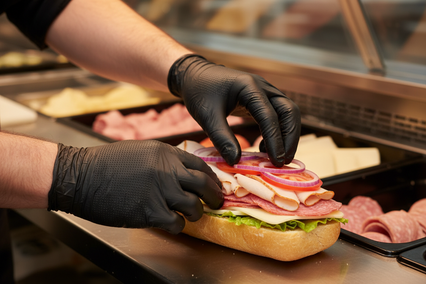
Best food service gloves for deli slicing and sandwich prep when dexterity matters
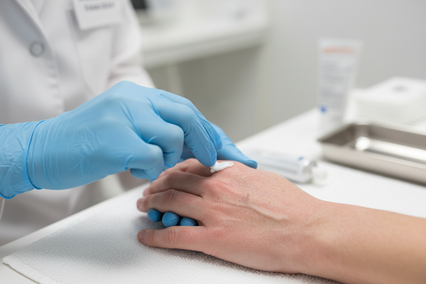
Best latex-free gloves for eczema-prone and sensitive skin