
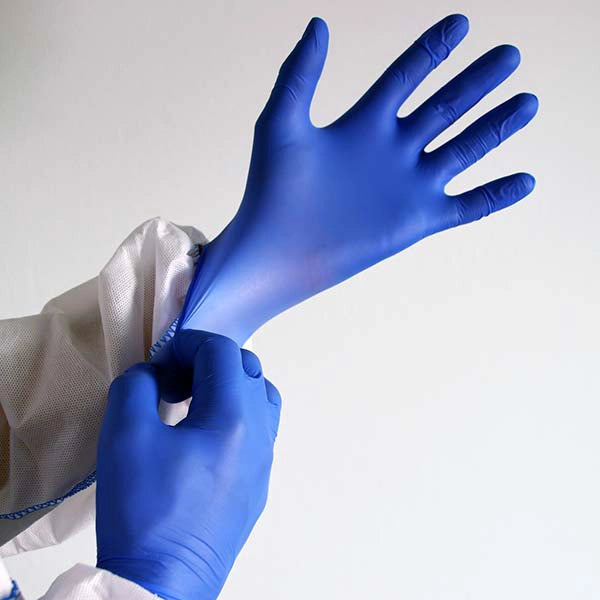

You reach for a box of disposable gloves before a procedure, a food prep task, or a sensitive cleaning job. The package says "sterile." But what does that actually mean — and how do you know it's true?
Understanding glove sterile certification is critical if you work in healthcare, food service, laboratory environments, or any setting where contamination can lead to serious consequences. A glove labeled "sterile" isn't just cleaner than a standard glove. It has passed specific manufacturing and testing standards that verify it's free from viable microorganisms at the time of packaging.
This article breaks down exactly what makes a glove sterile, how certification works, which standards apply, and when you actually need sterile gloves versus standard exam or industrial options. Whether you're a purchasing manager restocking a clinic or a business owner buying gloves in bulk, you'll walk away knowing how to choose the right glove for the job — and when paying the sterile premium is worth it.
What Does "Sterile" Mean for Disposable Gloves?
A sterile glove is one that has been processed after manufacturing to eliminate all viable microorganisms — bacteria, viruses, fungi, and spores — to a defined statistical level. The accepted standard in the industry is a Sterility Assurance Level (SAL) of 10⁻⁶, meaning there is less than a one-in-a-million chance that a single viable microorganism is present on any given glove.
This is fundamentally different from a "clean" or "non-sterile" glove. Non-sterile gloves are manufactured in sanitary conditions, but they haven't undergone a validated sterilization process after production. They're acceptable for general examination, food handling, and cleaning — but not for procedures that require an aseptic field.
Key distinction: All sterile gloves are disposable, but not all disposable gloves are sterile. The difference comes down to the post-manufacturing sterilization step and the testing that follows it.
How Are Gloves Sterilized? The Process Behind Certification
Manufacturers use one of several validated sterilization methods to achieve that SAL of 10⁻⁶. The two most common approaches are:
Gamma Irradiation
Gamma irradiation exposes sealed glove packages to a controlled dose of gamma rays from a cobalt-60 source. This process damages the DNA of microorganisms so they can no longer reproduce. Gamma sterilization is fast, penetrates packaging materials effectively, and doesn't leave chemical residues. It's the most widely used method for sterilizing nitrile and latex gloves.
The standard radiation dose for medical device sterilization is typically 25 kGy (kiloGray), validated according to ISO 11137.
Ethylene Oxide (EO or EtO) Gas
Ethylene oxide sterilization uses a reactive gas that kills microorganisms by alkylating their DNA and proteins. This low-temperature method is especially useful for materials that could be damaged by radiation or heat. After EO exposure, gloves go through a carefully controlled aeration period to reduce residual EtO to safe levels, as defined by ISO 10993-7.
EO sterilization takes longer than gamma (sometimes days including aeration), but it's highly effective and compatible with virtually all glove materials.
Less Common Methods
Some manufacturers use electron beam (e-beam) sterilization, which works similarly to gamma radiation but uses a machine-generated beam rather than a radioactive source. Steam sterilization (autoclaving) is generally not used for disposable gloves because the heat and moisture can degrade the glove material.
Glove Sterile Certification: Which Standards Apply?
Glove sterile certification isn't a single stamp of approval. It's the result of compliance with multiple overlapping standards that cover the glove material, the sterilization process, and the quality management system. Here are the standards that matter most:
FDA 510(k) Clearance (United States)
In the U.S., sterile surgical gloves are classified as Class II medical devices. They require 510(k) premarket clearance from the FDA before they can be legally marketed. This process requires the manufacturer to demonstrate that the glove is substantially equivalent to an already-cleared device in terms of material safety, barrier performance, and sterilization.
Sterile exam gloves also fall under FDA regulation, though the clearance pathway may differ depending on intended use.
ISO 11137 — Sterilization by Radiation
This international standard specifies the requirements for developing, validating, and routinely controlling a radiation sterilization process. It applies to gloves sterilized by gamma or e-beam methods and covers dose setting, dose mapping, and ongoing dose auditing.
ISO 11135 — Sterilization by Ethylene Oxide
The parallel standard for EO sterilization, ISO 11135 covers process development, validation, and routine control of ethylene oxide sterilization. It also addresses residual EtO limits and aeration requirements.
ASTM D3577 — Standard Specification for Rubber Surgical Gloves
This standard applies specifically to latex surgical gloves and sets requirements for dimensions, tensile strength, elongation, freedom from holes (via water leak testing), and packaging for sterile presentation.
ASTM D6319 — Standard Specification for Nitrile Examination Gloves
For nitrile gloves (including sterile exam nitrile), ASTM D6319 defines physical requirements and acceptable quality limits (AQL) for pinholes.
EN 455 (Europe)
The EN 455 series is the European equivalent for medical gloves. It includes four parts covering freedom from holes (Part 1), physical properties (Part 2), biocompatibility (Part 3), and shelf life (Part 4). CE marking for sterile gloves requires compliance with EN 455 and the EU Medical Device Regulation (MDR 2017/745).
AQL — Acceptable Quality Level
AQL is a critical metric in glove sterile certification. It measures the maximum acceptable defect rate in a production lot. For sterile surgical gloves, the AQL for pinholes must be ≤ 1.0, meaning no more than 1.0% of gloves in a batch can fail the water leak test. For sterile exam gloves, AQL requirements are typically ≤ 1.5. For non-sterile exam gloves, the threshold is usually ≤ 2.5.
Quick Reference: AQL Standards
| Glove Type | Maximum AQL (Pinholes) | Use Case |
|---|---|---|
| Sterile Surgical | ≤ 1.0 | Surgery, invasive procedures |
| Sterile Exam | ≤ 1.5 | Sterile examination, compounding |
| Non-Sterile Exam | ≤ 2.5 | General exam, lab work |
| Industrial / Food | ≤ 4.0 | Cleaning, food prep, general use |
Lower AQL = fewer defects = higher barrier reliability. This is one of the reasons sterile gloves cost more per unit — the quality control standards are significantly tighter.
Sterile vs. Non-Sterile Gloves: When Do You Actually Need Sterile?
Not every task requires a sterile glove. Understanding the difference saves money and ensures you're using the right protection level for each application.
When You Need Sterile Gloves
- Surgical procedures. Any invasive procedure where the glove contacts sterile body tissue or the vascular system.
- Compounding pharmacies. USP 797 and USP 800 guidelines require sterile gloves for preparing sterile drug products.
- Cleanroom environments. ISO Class 5 and higher cleanrooms typically require sterile gloves to maintain particulate and microbial control.
- Wound care involving open or surgical wounds. Direct contact with non-intact skin in clinical settings often calls for sterile technique.
- Catheter insertion and similar invasive clinical tasks.
When Non-Sterile Gloves Are Sufficient
- General medical examinations. Standard exam gloves provide adequate barrier protection for routine patient contact.
- Food handling and preparation. Food-safe nitrile gloves or vinyl gloves meet FDA requirements without needing sterilization.
- Janitorial and cleaning tasks. Chemical-resistant disposable gloves protect hands from cleaning agents without the need for sterility.
- Automotive, industrial, and maintenance work. Protection from chemicals, oils, and abrasives — sterility is irrelevant here.
- Tattoo and body art. Most jurisdictions require exam-grade gloves, not sterile.
The bottom line: If you're not performing invasive medical procedures, compounding sterile drugs, or working in a controlled cleanroom, you almost certainly don't need sterile gloves. Choosing the right non-sterile option — like bulk nitrile gloves — delivers excellent protection at a fraction of the cost.
How to Verify a Glove's Sterile Certification
When evaluating sterile gloves for purchase, look for these verification points on the packaging and in the manufacturer's documentation:
On the Packaging
- "STERILE" marking with the sterilization method indicated (e.g., "Sterile R" for radiation, "Sterile EO" for ethylene oxide).
- Expiration date. Sterile gloves have a defined shelf life. Once past that date, sterility cannot be guaranteed even if the package is sealed.
- Lot number. Every sterile production lot is traceable. If a quality issue arises, the lot number is how the manufacturer (and the FDA) tracks it.
- AQL rating. Surgical gloves should state AQL ≤ 1.0.
In the Documentation
- 510(k) clearance number (for the U.S. market).
- Biocompatibility test results per ISO 10993.
- Sterility validation records showing the sterilization process was validated per ISO 11137 or ISO 11135.
- Certificates of conformity for applicable ASTM or EN standards.
If a supplier can't provide these, that's a red flag. Reputable glove distributors make this documentation readily available.
Sterile Glove Material Comparison: Nitrile vs. Latex vs. Vinyl
Not all glove materials perform equally in sterile applications. Here's how the three main types compare:
| Feature | Nitrile (Sterile) | Latex (Sterile) | Vinyl (Sterile) |
|---|---|---|---|
| Barrier Protection | Excellent | Excellent | Moderate |
| Puncture Resistance | High | Moderate–High | Low |
| Chemical Resistance | High | Moderate | Low |
| Tactile Sensitivity | Very Good | Excellent | Fair |
| Latex Allergy Risk | None | Yes (Type I hypersensitivity) | None |
| Common Sterile Uses | Surgery, compounding, cleanroom | Surgery | Light clinical tasks |
| Cost Per Pair (Sterile) | $$ | $ |
Best overall for sterile applications: Nitrile. It combines strong barrier protection, chemical resistance, and eliminates latex allergy concerns — making it the default choice in most modern surgical and clinical environments.
Best tactile sensitivity: Latex. Surgeons who need maximum dexterity and touch sensitivity still prefer latex when allergy isn't a concern.
Budget-conscious option: Vinyl. Acceptable for low-risk sterile tasks, but the weaker barrier makes it unsuitable for surgical or high-exposure applications.
For non-sterile everyday use, nitrile gloves offer the best combination of protection, comfort, and value — especially when purchased in bulk.
The Cost Factor: Sterile vs. Non-Sterile Gloves
Sterile gloves typically cost 3–10x more per unit than their non-sterile equivalents. That price difference reflects the added sterilization processing, tighter quality control (lower AQL), individual pair packaging, and regulatory compliance costs.
Cost-per-use logic matters here. If your facility uses 500 gloves per day and only 50 of those require sterile technique, switching the other 450 to high-quality non-sterile disposable gloves in bulk can save thousands annually without compromising safety.
Bulk Buying Strategy for Mixed-Use Facilities
- Identify which tasks genuinely require sterile gloves. Audit your procedures and match each one to the appropriate glove grade.
- Purchase sterile gloves only for those specific applications. Don't default to sterile "just to be safe" when exam-grade is sufficient.
- Buy non-sterile exam and industrial gloves in bulk. Volume pricing on high-quality nitrile gloves significantly reduces your per-unit cost.
- Standardize on one or two glove brands across sterile and non-sterile categories to simplify inventory and negotiate better pricing.
How to Store Sterile Gloves Properly
Even certified sterile gloves can lose their sterility if stored improperly. Follow these guidelines:
- Store in a clean, dry environment away from direct sunlight and heat sources. Most sterile gloves should be kept between 50°F and 86°F (10°C–30°C).
- Keep packages sealed until the moment of use. A compromised package means compromised sterility.
- Rotate stock using FIFO (first in, first out). Sterile gloves have expiration dates — typically 3–5 years from sterilization, depending on the material and manufacturer.
- Inspect packaging before use. Any tears, punctures, or open seals mean the gloves inside are no longer sterile.
- Store away from chemicals and solvents that could degrade packaging materials over time.
Frequently Asked Questions About Glove Sterile Certification
What is glove sterile certification?
Glove sterile certification is the process by which disposable gloves are validated as free from viable microorganisms to a Sterility Assurance Level of 10⁻⁶. It involves sterilization (typically by gamma radiation or ethylene oxide), testing per international standards like ISO 11137 or ISO 11135, and regulatory clearance such as FDA 510(k) for the U.S. market.
What is the difference between sterile and non-sterile gloves?
Sterile gloves undergo a validated post-manufacturing sterilization process and are individually packaged in pairs. Non-sterile gloves are produced under sanitary conditions but are not sterilized after manufacturing. Sterile gloves are required for surgical procedures and aseptic compounding. Non-sterile gloves are appropriate for examinations, food handling, cleaning, and industrial tasks.
Are nitrile gloves available in sterile versions?
Yes. Sterile nitrile gloves are widely available and have become the preferred option in many surgical and clinical settings. They offer excellent barrier protection, high puncture resistance, and no risk of latex allergy. You can find a range of nitrile gloves suited for various protection levels.
How can I tell if a glove is truly sterile?
Check the packaging for the word "STERILE" along with the sterilization method symbol (radiation or EO), an expiration date, a lot number, and the AQL rating. Verify that the manufacturer holds FDA 510(k) clearance (in the U.S.) or CE marking (in the EU) for the specific sterile glove product.
Do food service workers need sterile gloves?
No. Food handling does not require sterile gloves. FDA-compliant food-safe exam gloves — typically non-sterile nitrile or vinyl — are the standard for food preparation. Purchasing disposable gloves in bulk for food service is far more cost-effective than buying sterile products.
How long do sterile gloves stay sterile in the package?
Most sterile gloves have a shelf life of 3–5 years from the date of sterilization, provided the packaging remains intact and they're stored according to the manufacturer's recommendations. Always check the expiration date printed on the individual pair packaging before use.
Choose the Right Glove for Every Task
Glove sterile certification exists for a reason — to protect patients, products, and processes in high-stakes environments where contamination isn't an option. But sterility comes at a cost, and using sterile gloves where non-sterile options would suffice wastes money without adding safety.
For most businesses and individuals, the smartest approach is knowing exactly when sterile is required and when high-quality exam-grade or industrial gloves do the job just as well. If you're purchasing for a facility that uses both, buying your non-sterile gloves in bulk is the single most effective way to control costs.
Ready to stock up? Browse the full selection of nitrile, latex, and vinyl gloves at Gloves.com — available in bulk quantities with volume pricing built for businesses that go through gloves fast.