
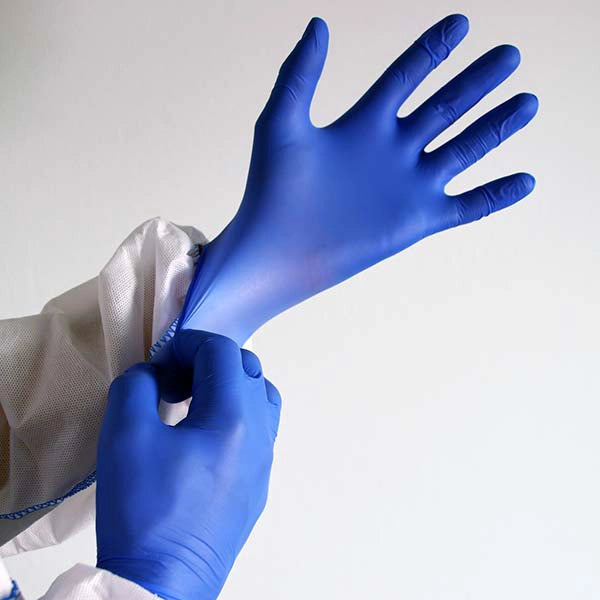

A nurse grabs exam gloves for a wound dressing change. A pharmacy technician reaches for the same box before compounding an IV bag. One of them is breaking the law — and the penalties can include facility shutdowns, lawsuits, and loss of licensure.
Knowing exactly when sterile gloves are required isn't just a best practice. In many settings, it's a legal mandate backed by federal and state regulations. And getting it wrong puts patients at risk, exposes your organization to liability, and can trigger costly citations from agencies like OSHA, the FDA, and state health departments.
This article maps out every major scenario where sterile gloves are required by law in the United States, which regulations apply, and where the legal line falls between sterile and non-sterile. Whether you manage a surgical center, run a compounding pharmacy, or oversee compliance for a multi-site healthcare operation, this guide will help you understand exactly what the law demands — and where you have flexibility to make smarter purchasing decisions.
What Does "Required by Law" Actually Mean for Sterile Gloves?
Before diving into specific regulations, it helps to understand how glove requirements are enforced. The phrase "sterile gloves required" can mean different things depending on the regulatory body involved.
Federal regulations set the baseline. Agencies like OSHA (Occupational Safety and Health Administration), the FDA (Food and Drug Administration), and CMS (Centers for Medicare & Medicaid Services) publish rules that apply nationwide. These carry the force of law, and violations can result in fines, sanctions, or loss of federal funding.
State regulations often go further. State health departments, boards of pharmacy, and professional licensing boards may impose stricter requirements than federal law. What's legal in one state may be a violation in another.
Accreditation standards from organizations like The Joint Commission (TJC) or the Accreditation Commission for Health Care (ACHC) aren't technically "laws," but non-compliance can result in loss of accreditation — which effectively shuts down a facility's ability to bill Medicare and Medicaid. In practice, they carry the same weight.
Professional standards of care also matter. Even where no regulation explicitly says "use sterile gloves," the accepted standard of care for a procedure may require them. Failing to follow that standard can create legal liability in malpractice claims.
Surgical Procedures: The Clearest Legal Requirement
The most universally understood legal requirement for sterile gloves is in surgery. Every regulatory and accreditation framework governing surgical procedures in the United States requires sterile gloves for anyone whose hands enter the sterile field.
The Regulatory Framework
CMS Conditions of Participation (42 CFR § 482.51) require hospitals to maintain standards for surgical services that prevent infections. While the regulation doesn't spell out "sterile gloves" word for word, it mandates compliance with accepted infection control practices — and every recognized infection control guideline (CDC, AORN, APIC) requires sterile gloves during invasive surgical procedures.
The Association of periOperative Registered Nurses (AORN) Guidelines for Perioperative Practice are considered the authoritative standard for surgical settings. AORN explicitly requires sterile surgical gloves for all members of the surgical team who contact the sterile field. These guidelines are routinely cited by The Joint Commission during hospital surveys.
What this means in practice: If a surveyor walks into your OR and finds staff using non-sterile exam gloves during a procedure, you're looking at an immediate deficiency citation, a potential Immediate Jeopardy finding, and a corrective action plan — at minimum.
What Counts as a "Surgical Procedure"?
The requirement extends beyond the traditional operating room. Sterile gloves are legally required for any invasive procedure that penetrates the skin, mucous membranes, or enters a normally sterile body cavity. This includes procedures performed in ambulatory surgery centers, outpatient clinics, dental surgical suites, and procedural areas within hospitals.
Common procedures requiring sterile gloves by regulation or standard of care include surgical incisions and closures, central line insertion, lumbar puncture, chest tube placement, joint aspiration or injection (in many facility protocols), and any procedure performed under sterile technique as defined by the facility's infection control plan.
Compounding Pharmacies: USP 797 and USP 800
Compounding pharmacies face some of the most specific and strictly enforced sterile glove requirements in any industry. The United States Pharmacopeia (USP) sets these standards, and as of November 2023, the revised USP General Chapter 797 is the governing document.
USP 797 Requirements
USP 797 governs the preparation of compounded sterile preparations (CSPs). It requires sterile gloves for all personnel performing compounding within an ISO Class 5 or better environment. This isn't a suggestion — it's a requirement that state boards of pharmacy enforce through inspections and licensing actions.
Specifically, USP 797 requires that compounding personnel don sterile gloves as part of the garbing procedure before entering the buffer area. Gloves must be sterile, powder-free, and applied after hand hygiene and before handling any sterile materials. Sterile gloves must also be routinely disinfected with sterile 70% isopropyl alcohol during compounding.
USP 800 Requirements
USP 800 addresses handling of hazardous drugs. When hazardous drug compounding occurs in a sterile environment, the sterile glove requirements of USP 797 apply in addition to the chemotherapy-rated glove requirements of USP 800. In practice, this means ASTM D6978-tested sterile gloves for hazardous sterile compounding.
Enforcement and Penalties
State boards of pharmacy enforce USP 797 and 800 compliance. Violations can result in pharmacy license suspension or revocation, FDA warning letters (for 503B outsourcing facilities), recall of compounded preparations, and civil or criminal liability if a contaminated preparation harms a patient. The 2012 New England Compounding Center (NECC) meningitis outbreak — which killed 76 people — remains the most visible example of what happens when sterile compounding standards are ignored.
OSHA Bloodborne Pathogens Standard: Where Sterile Is NOT Required
Here's where confusion often arises. OSHA's Bloodborne Pathogens Standard (29 CFR 1910.1030) requires employers to provide appropriate personal protective equipment, including gloves, when employees face occupational exposure to blood or other potentially infectious materials.
However, OSHA does not require sterile gloves for routine exposure control. The standard requires gloves that provide an adequate barrier — which non-sterile exam gloves satisfy for most tasks covered by the Bloodborne Pathogens Standard.
OSHA requires gloves for: patient contact involving blood or body fluids, handling contaminated sharps or waste, cleaning blood or body fluid spills, vascular access procedures (though sterile technique may be required by other regulations for specific access procedures).
OSHA does not specify sterile gloves for: routine phlebotomy, IV starts (peripheral), wound dressing changes on non-surgical wounds, handling contaminated laundry, and janitorial cleaning of blood spills.
The critical distinction is that OSHA governs worker safety, not patient safety. Other regulations (CMS, state health codes, professional standards) may require sterile gloves for the same task from a patient protection standpoint, even when OSHA doesn't.
CMS and State Health Department Requirements
Hospital Infection Control (CMS Conditions of Participation)
CMS requires hospitals participating in Medicare and Medicaid to maintain an active infection prevention and control program (42 CFR § 482.42). This program must follow nationally recognized guidelines — which means the CDC's Guidelines for Isolation Precautions and similar documents effectively become legally binding for CMS-certified facilities.
These guidelines specify sterile gloves for contact with sterile body sites and during procedures performed using sterile technique. Non-compliance discovered during a CMS survey can trigger Conditions of Participation deficiencies, and persistent non-compliance can result in termination from Medicare — a death sentence for most hospitals.
Long-Term Care Facilities
CMS also regulates nursing homes and long-term care facilities through 42 CFR Part 483. While sterile gloves are less commonly required in these settings, they are mandated when staff perform procedures requiring sterile technique, such as catheter insertion or sterile wound care. State survey agencies enforce these requirements during annual inspections and complaint investigations.
Ambulatory Surgical Centers
ASCs are regulated under 42 CFR Part 416. The requirements mirror hospital standards for any procedure performed in the ASC, including mandatory sterile gloves for all surgical and invasive procedures.
State-Specific Regulations: Where Laws Get Stricter
Federal regulations set the floor, but many states build higher. Here are areas where state law commonly adds sterile glove requirements beyond federal mandates:
Tattooing and Body Piercing
Most states regulate tattooing and body piercing through their health departments. Many state codes explicitly require sterile gloves for tattoo artists and piercers during the procedure.
For example, several state health codes specify that "single-use sterile gloves shall be worn during all tattooing and piercing procedures" or substantially similar language. Requirements vary — some states accept non-sterile exam gloves — so checking your specific state code is essential.
Dental Procedures
State dental practice acts and associated regulations often specify when sterile versus non-sterile gloves are required. Surgical dental procedures (extractions, implant placement, periodontal surgery) universally require sterile gloves. For routine restorative and diagnostic procedures, non-sterile exam gloves are standard.
Acupuncture
Many states require sterile gloves for acupuncture needle insertion, though this varies significantly by jurisdiction. Some states reference "clean technique" rather than "sterile technique," which allows non-sterile exam gloves.
Emergency Medical Services
State EMS regulations typically align with OSHA and CDC guidelines. Sterile gloves are generally not required for field emergency care, where the priority is adequate barrier protection rather than aseptic technique. Non-sterile nitrile gloves are standard for EMS use.
Food Service: Sterile Gloves Are NOT Required
This is one of the most common misconceptions. No federal or state food safety regulation requires sterile gloves for food handling or preparation.
The FDA Food Code — adopted in whole or in part by most states — requires that food handlers use single-use gloves or utensils to prevent bare-hand contact with ready-to-eat food. These gloves must be food-safe, but they do not need to be sterile.
Food-safe, non-sterile disposable gloves in nitrile or vinyl are the industry standard for food service. Using sterile gloves for food handling would be a massive and unnecessary expense with zero food safety benefit.
If you're buying gloves for a restaurant, catering operation, or food production facility, you need FDA-compliant food-safe exam gloves — not sterile surgical gloves. Purchasing nitrile gloves in bulk is the most cost-effective approach for food service operations that go through high volumes daily.
Industrial and Cleaning Settings: No Sterile Requirement
Similarly, no OSHA regulation or industry standard requires sterile gloves for industrial, manufacturing, janitorial, or general cleaning applications. The governing standards (OSHA PPE standards under 29 CFR 1910 Subpart I) focus on chemical resistance, barrier integrity, and fit — not sterility.
For industrial and cleaning use, high-quality non-sterile disposable gloves provide appropriate protection. Nitrile is the preferred material for chemical resistance, while vinyl works for light-duty tasks where chemical exposure is minimal.
How to Determine Your Facility's Legal Requirements
The specific sterile glove requirements for your facility depend on multiple overlapping factors. Here's a practical framework for determining what the law requires:
Step 1: Identify Your Regulatory Environment
Determine which federal agencies regulate your facility (CMS, FDA, OSHA) and which state agencies have oversight (health department, board of pharmacy, professional licensing boards). Each may impose different glove requirements.
Step 2: Map Procedures to Glove Requirements
Create a procedure-by-procedure inventory. For each procedure performed at your facility, document whether sterile technique is required by regulation, accreditation standard, or professional standard of care. This becomes your glove selection guide.
Step 3: Document Your Infection Control Policy
Your facility's infection control plan should explicitly state which procedures require sterile gloves and which permit non-sterile exam gloves. This document is what surveyors review, and it's your legal defense if a question arises.
Step 4: Optimize Your Purchasing
Once you've mapped sterile versus non-sterile requirements, purchase accordingly. Most facilities find that sterile gloves are needed for a relatively small percentage of total glove use. The rest can be covered with high-quality exam-grade nitrile gloves purchased in bulk, significantly reducing per-unit costs.
Penalties for Non-Compliance: What's at Stake
Failing to use sterile gloves when legally required carries real consequences. The severity depends on the regulatory body involved and whether patient harm occurred.
CMS survey deficiencies can range from a written plan of correction (minor) to Immediate Jeopardy findings that require resolution within 23 days or face Medicare termination.
State licensing actions can include fines (ranging from hundreds to tens of thousands of dollars per violation), mandatory corrective action plans, license suspension or probation, and facility closure orders for egregious violations.
FDA enforcement for compounding pharmacies can include warning letters, consent decrees, injunctions, and criminal prosecution in cases involving patient harm.
Civil liability through malpractice lawsuits is often the most financially devastating consequence. If a patient develops an infection that can be traced to failure to use sterile gloves during a procedure that required them, the facility and individual practitioners face significant exposure. Documented non-compliance with recognized standards makes these cases very difficult to defend.
Frequently Asked Questions About Sterile Glove Laws
Are sterile gloves required by law for all medical procedures?
No. Sterile gloves are legally required for surgical and invasive procedures, sterile compounding, and any procedure performed using sterile technique. Routine medical examinations, phlebotomy, and non-invasive patient care require gloves, but non-sterile exam gloves satisfy the legal requirement in these situations.
Does OSHA require sterile gloves?
OSHA's Bloodborne Pathogens Standard requires employers to provide gloves for tasks involving occupational exposure to blood and body fluids, but it does not specify sterile gloves. Non-sterile exam gloves meet OSHA's requirements for routine exposure control. Sterile glove requirements come from other regulatory bodies such as CMS, the FDA, and state licensing boards.
Are sterile gloves required for food handling?
No. The FDA Food Code and state food safety regulations require food-safe, single-use gloves for handling ready-to-eat food, but sterility is not required. Non-sterile nitrile or vinyl gloves that meet FDA food contact standards are the correct choice for food service.
What happens if you don't use sterile gloves when required?
Consequences range from regulatory citations and fines to license suspension, loss of Medicare certification, and malpractice liability. If a patient is harmed due to failure to use sterile gloves during a procedure that required them, the facility and practitioners may face civil lawsuits and, in extreme cases, criminal charges.
Do tattoo artists need to use sterile gloves?
This varies by state. Many state health codes require sterile gloves for tattooing and body piercing procedures. Others accept non-sterile exam gloves. Check your state's body art regulations for the specific requirement in your jurisdiction.
How is law about sterile gloves different from best practice?
Laws and regulations set the minimum legal requirements — violating them triggers enforcement actions. Best practices and professional guidelines (such as CDC or AORN recommendations) may go beyond what the law strictly requires. However, professional standards of care can become legally relevant in malpractice cases, where failure to follow accepted practices — even those not codified in statute — can establish negligence.
Know the Law, Then Buy Smart
The law about sterile gloves is clear in some settings and nuanced in others. Surgical suites and compounding pharmacies have firm, well-enforced mandates. Food service, industrial, and general cleaning applications have no sterile glove requirement at all. And a large middle ground — routine clinical care, EMS, dental hygiene, long-term care — depends on the specific procedure and your state's regulations.
The practical takeaway for purchasing managers and facility operators: audit your procedures, map them to the actual legal requirements, and stop over-buying sterile gloves for tasks that don't require them. For every non-sterile application in your facility, switching to high-quality exam-grade or industrial gloves purchased in bulk is the most effective way to cut costs without any compliance risk.
Ready to optimize your glove purchasing? Explore the full range of nitrile, latex, and vinyl gloves at Gloves.com — with bulk pricing designed for facilities that need reliable protection at every compliance level.

