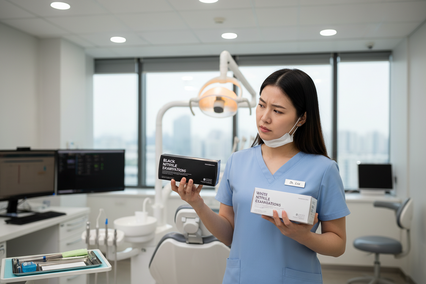


Your facility goes through thousands of gloves per week. Some of those tasks demand surgical-grade precision and sterility. Most don't. But if you're buying surgical gloves for exam-level tasks — or worse, using exam gloves where surgical gloves are required — you're either wasting money or creating compliance risk.
The exam gloves vs surgical gloves decision isn't academic. It directly impacts your per-unit cost, your infection control compliance, your staff's comfort during long shifts, and your ability to pass regulatory surveys without citations. This guide cuts through the spec sheets and gives you the real-world workflow differences between these two glove categories, so you can match the right glove to every procedure and buy with confidence.
If you manage purchasing for a hospital, surgical center, clinic, dental office, or any facility that uses both glove types, this is the breakdown you need before your next order.
Exam Gloves vs Surgical Gloves: The Core Differences at a Glance
Before diving into workflow specifics, here's the fundamental comparison. Every difference between exam gloves and surgical gloves traces back to one distinction: surgical gloves are designed for invasive procedures performed under sterile technique, while exam gloves are designed for non-invasive patient contact and general protection tasks.
| Feature | Exam Gloves | Surgical Gloves |
|---|---|---|
| Sterility | Non-sterile | Sterile (individually packaged) |
| Sizing | S, M, L, XL | Numbered half-sizes (5.5–9.0) |
| Fit | Ambidextrous (most) | Hand-specific (left/right) |
| AQL (Pinhole Rate) | ≤ 2.5 | ≤ 1.0 |
| Cuff Length | Standard (~9.5 in) | Extended (~12 in) |
| Packaging | Box of 100–300 | Individually wrapped pairs |
| Regulatory Class | Class I (FDA) | Class II (FDA 510(k) required) |
| Typical Cost | $0.04–$0.12 per glove | $0.75–$3.00 per pair |
| Primary Use | Exams, labs, general tasks | Surgery, invasive procedures |
That cost difference — roughly 8–30x per hand — is why getting the exam gloves vs surgical gloves decision right for every workflow in your facility is one of the highest-impact purchasing optimizations you can make.
How Exam Gloves Work in Real Clinical Workflows
Exam gloves are the workhorse of any healthcare facility. They're pulled from a box on the wall dozens of times per shift by every clinician, tech, aide, and support staff member who has patient contact.
What Exam Gloves Are Built For
Exam gloves are engineered for high-volume, quick-change tasks where barrier protection matters but sterility doesn't. The ambidextrous fit means staff can grab a glove and go — no sorting left from right, no opening sterile packaging. This is by design.
In practice, exam gloves cover the vast majority of glove-wearing minutes in most facilities. Typical exam glove workflows include routine patient assessments and physical exams, vital signs and blood pressure checks, phlebotomy and peripheral IV starts, medication administration, non-sterile wound dressing changes, specimen collection and handling, cleaning and disinfection tasks, and lab work.
The Speed Factor
A nurse performing 30–40 patient contacts per shift needs gloves that go on fast and come off faster. Exam gloves deliver that speed. The ambidextrous design eliminates the step of identifying left versus right. The box dispenser eliminates the step of opening individual sterile packages. And the lower cost per glove means staff don't hesitate to change gloves between every patient contact — which is exactly what infection control protocols demand.
For facilities that go through exam gloves at high volume, purchasing nitrile exam gloves in bulk is the most cost-effective way to keep every exam room, nurse station, and lab fully stocked without blowing through your supply budget.
Material Options for Exam Gloves
Exam gloves come in three primary materials, each suited to different workflows:
Nitrile is the default for most clinical and industrial settings. It offers strong chemical resistance, high puncture resistance, and zero latex allergy risk. If you're standardizing on one exam glove material across your facility, nitrile gloves are the choice that covers the widest range of use cases.
Latex provides superior tactile sensitivity and elasticity. Some clinicians prefer latex for tasks requiring fine motor dexterity. However, latex allergy prevalence has pushed most facilities to adopt latex-free policies.
Vinyl is the budget option for low-risk, short-duration tasks. It's common in food service, janitorial, and basic care tasks where chemical and puncture resistance are less critical. Vinyl works well when purchased as part of a bulk disposable glove order for non-clinical departments.
How Surgical Gloves Work in Real Surgical Workflows
Surgical gloves serve a fundamentally different purpose. They maintain the sterile field during invasive procedures where microorganism transfer from glove to patient can cause surgical site infections — one of the most common and costly hospital-acquired conditions.
What Surgical Gloves Are Built For
Every design choice in a surgical glove optimizes for precision, sterility, and extended wear during procedures that can last minutes to hours. Key surgical glove workflows include open and laparoscopic surgery, central venous catheter insertion, sterile compounding (pharmacy), lumbar puncture, chest tube placement, orthopedic procedures (often requiring double-gloving), and any procedure entering a sterile body cavity.
Precision Fit Matters
Surgical gloves come in numbered half-sizes (5.5, 6.0, 6.5, 7.0, 7.5, 8.0, 8.5, 9.0) with hand-specific left and right gloves. This isn't a luxury feature — it's a functional requirement. A surgeon tying sutures, manipulating tissue, or placing implants needs a glove that fits like a second skin. A loose or bunchy glove reduces tactile feedback and increases hand fatigue during long cases.
The hand-specific design also means the glove's thumb and finger positioning align with natural anatomy, reducing strain during repetitive fine-motor movements. This is something you physically cannot achieve with an ambidextrous exam glove, regardless of material quality.
Extended Cuff for Gown Interface
Surgical gloves feature an extended cuff (typically 12 inches versus 9.5 inches for exam gloves) that overlaps with the surgical gown sleeve. This overlap creates a continuous barrier from gown to glove with no exposed skin — a critical requirement for maintaining the sterile field. The cuff also provides a secure anchor point, keeping the glove in position during the physical demands of surgery.
Tighter Quality Control
The AQL difference between exam gloves (≤ 2.5) and surgical gloves (≤ 1.0) means surgical gloves are manufactured and tested to a significantly higher defect standard. For every 1,000 gloves, a surgical glove production lot allows no more than 10 pinholes, while an exam glove lot permits up to 25. That tighter tolerance directly translates to more reliable barrier integrity during invasive procedures.
The Double-Gloving Workflow: Where Both Glove Types Intersect
Double-gloving during surgery is a well-established practice recommended by AORN and supported by substantial evidence showing it reduces inner glove perforation rates by up to 87% compared to single gloving. It's standard protocol for orthopedic surgery, trauma surgery, and procedures with high sharps exposure risk.
How Double-Gloving Works
The standard double-gloving technique uses two pairs of surgical gloves: an inner (indicator) glove one half-size larger than the surgeon's normal size, and an outer glove at the surgeon's standard size. Colored indicator gloves make perforations in the outer glove immediately visible through a color-change effect.
The Cost Consideration
Double-gloving doubles your surgical glove cost per case. At $1.50–$3.00 per pair, a double-gloved surgical team of four adds $12–$24 in glove costs per case. For high-volume surgical facilities, this adds up — which makes it even more important to avoid using surgical gloves for non-surgical tasks. Every surgical glove saved from inappropriate exam-level use offsets double-gloving costs where it actually matters.
Best Glove Type for Specific Healthcare Workflows
Here's a practical decision guide organized by the workflows your staff actually perform. This is the reference your materials management and infection control teams should have posted:
Use Exam Gloves
| Workflow | Recommended Material | Why |
|---|---|---|
| Routine patient exams | Nitrile | Barrier protection, allergy-safe |
| Blood draws / phlebotomy | Nitrile | Puncture resistance for needle handling |
| IV starts (peripheral) | Nitrile | Chemical resistance, tactile feedback |
| Medication administration | Nitrile or vinyl | Low exposure risk |
| Specimen handling | Nitrile | Chemical and biological barrier |
| Wound care (non-sterile) | Nitrile | Fluid resistance |
| Lab work | Nitrile | Chemical splash protection |
| Cleaning / disinfection | Nitrile | Solvent and chemical resistance |
| Food prep (facility kitchen) | Nitrile or vinyl | FDA food-safe, cost-effective |
For all of these workflows, nitrile exam gloves at the appropriate thickness (3–5 mil for clinical, 4–6 mil for lab/cleaning) provide the right balance of protection, dexterity, and cost.
Use Surgical Gloves
| Workflow | Recommended Material | Why |
|---|---|---|
| Open surgery | Nitrile or latex (sterile) | Sterile field, precision fit |
| Laparoscopic surgery | Nitrile or latex (sterile) | Tactile sensitivity for instrument handling |
| Central line insertion | Nitrile (sterile) | CDC requirement for sterile technique |
| Lumbar puncture | Nitrile (sterile) | Sterile body cavity access |
| Sterile compounding (USP 797) | Nitrile (sterile) | Regulatory mandate |
| Joint injection / aspiration | Nitrile (sterile) | Facility protocol, sterile technique |
| Chest tube insertion | Nitrile (sterile) | Invasive procedure |
Cost Analysis: The Real Financial Impact of Getting It Right
The exam gloves vs surgical gloves cost differential is where purchasing decisions translate directly into budget performance. Here's what the numbers look like for a mid-size facility.
Per-Unit Cost Comparison
| Metric | Exam Gloves (Nitrile) | Surgical Gloves (Nitrile, Sterile) |
|---|---|---|
| Cost per glove | $0.05–$0.10 | $0.75–$1.50 per glove ($1.50–$3.00/pair) |
| Annual usage (200-bed hospital) | ~3,000,000 gloves | ~150,000 pairs |
| Annual spend estimate | $150,000–$300,000 | $225,000–$450,000 |
| Percentage of total glove use | ~90% of all glove pulls | ~10% of all glove pulls |
Where Facilities Waste Money
The most common purchasing mistake is using surgical gloves for procedures that only require exam-grade protection. Every peripheral IV start done with a sterile surgical glove instead of a non-sterile nitrile exam glove costs 10–20x more than necessary — with zero clinical benefit.
Common over-use scenarios include using surgical gloves for non-sterile wound dressing changes, using surgical gloves for peripheral IV access (CDC guidelines require clean technique, not sterile, for peripheral IVs), using surgical gloves for Foley catheter insertion when facility protocol only requires a sterile catheter kit with non-sterile gloves, and defaulting to surgical gloves "to be safe" when the procedure doesn't involve sterile technique.
The Savings Opportunity
A 200-bed hospital that eliminates unnecessary surgical glove use from just 20% of current surgical glove pulls saves approximately $45,000–$90,000 annually. That same facility can reinvest those savings into higher-quality exam gloves, better double-gloving compliance in the OR, or simply reduce total supply spend.
The lever is straightforward: identify every workflow currently using surgical gloves, verify whether sterile technique is actually required, and convert non-sterile workflows to high-quality nitrile exam gloves purchased in bulk.
Comfort and Fatigue: Why Fit Impacts Staff Performance
Beyond cost and compliance, the physical experience of wearing gloves for an entire shift matters. Clinician hand fatigue, skin irritation, and reduced dexterity all correlate with glove type, fit, and material.
Exam Glove Comfort
Exam gloves prioritize easy on/off and sufficient barrier protection across the broadest range of hand sizes. The ambidextrous design fits "well enough" for most users. Premium nitrile exam gloves with textured fingertips provide adequate grip for most clinical tasks. However, exam gloves are not designed for extended continuous wear during precision tasks.
Surgical Glove Comfort
Surgical gloves prioritize anatomic fit, minimal hand fatigue, and maximum tactile sensitivity over extended periods. The half-size, hand-specific design reduces pressure points, and the pre-curved finger design follows natural hand posture. For surgeons operating for 2–6 hours, this ergonomic optimization reduces hand fatigue and improves fine motor control.
Bottom line: Use surgical gloves where their superior fit and sterility matter (the OR and invasive procedures), and use well-fitting exam gloves for everything else. Trying to make exam gloves work in the OR is a compliance and patient safety failure. Using surgical gloves for routine exams is a budget failure.
Shelf Life and Storage: Practical Inventory Differences
Exam gloves and surgical gloves have different storage and inventory management requirements that affect purchasing cadence and warehouse logistics.
Exam Gloves
Exam gloves stored properly (cool, dry, away from UV and ozone sources) typically have a shelf life of 3–5 years. They're packaged in boxes of 100–300, stack efficiently, and don't require special handling. High-turnover items in most facilities, exam gloves are the ideal product for bulk purchasing — you'll use them before they expire, and volume pricing on nitrile gloves rewards larger orders.
Surgical Gloves
Sterile surgical gloves have a defined expiration date (typically 3–5 years from sterilization). They require intact individual packaging to maintain sterility, so storage conditions matter more — any package breach renders the gloves non-sterile. Inventory management should follow FIFO (first in, first out) rotation, and purchasing should align with actual surgical case volume to avoid expiration waste.
How to Build the Right Glove Inventory for Your Facility
For purchasing managers and materials management teams, here's a practical approach to optimizing your exam gloves vs surgical gloves inventory:
Step 1: Audit by workflow. List every glove-wearing task in your facility. Tag each as "sterile required" or "non-sterile acceptable" based on your infection control plan and regulatory requirements.
Step 2: Standardize exam glove materials. For most facilities, standardizing on nitrile for all exam glove use simplifies inventory and covers the widest range of tasks. Vinyl can supplement for food service and light-duty tasks in non-clinical areas.
Step 3: Right-size surgical glove orders. Base your surgical glove purchasing on actual surgical case volume, procedure mix, and double-gloving protocols — not on habit or historical ordering patterns.
Step 4: Buy exam gloves in bulk. Since exam gloves represent 85–90% of total glove consumption in most healthcare facilities, this is where volume pricing delivers the biggest absolute savings. A single bulk order of nitrile exam gloves from Gloves.com can cover weeks of facility-wide use at a significantly lower per-unit cost than fragmented small orders.
Step 5: Review quarterly. Glove pricing, usage patterns, and clinical protocols change. Quarterly reviews keep your purchasing aligned with actual need.
Frequently Asked Questions: Exam Gloves vs Surgical Gloves
Can exam gloves be used instead of surgical gloves?
No — not for procedures requiring sterile technique. Exam gloves are non-sterile and do not meet the AQL, sterility, or fit requirements for surgical and invasive procedures. Using exam gloves where surgical gloves are required violates CMS Conditions of Participation and AORN guidelines, and creates direct patient safety risk. For non-sterile clinical tasks, exam gloves are the correct and cost-effective choice.
Why are surgical gloves so much more expensive than exam gloves?
Surgical gloves undergo post-manufacturing sterilization, are tested to a stricter AQL of ≤ 1.0 (versus ≤ 2.5 for exam), are individually packaged in left/right pairs, are manufactured in precise half-sizes, and require FDA 510(k) clearance as Class II medical devices. Each of these steps adds cost that non-sterile exam gloves don't carry.
What is the best exam glove material for most healthcare facilities?
Nitrile is the best all-around choice for exam gloves. It offers strong barrier protection, high puncture resistance, excellent chemical resistance, and eliminates latex allergy risk. Most facilities that standardize on nitrile exam gloves find they cover clinical, laboratory, and cleaning workflows with a single product line.
Are surgical gloves required for IV insertion?
For peripheral IV insertion, the CDC recommends clean technique — which means non-sterile exam gloves are appropriate. For central venous catheter insertion, the CDC's Central Line Bundle requires sterile technique, including sterile surgical gloves. The distinction is peripheral (non-sterile) versus central (sterile).
How many exam gloves does a typical hospital use per month?
A 200-bed acute care hospital typically uses 200,000–400,000 exam gloves per month, depending on patient acuity, staffing ratios, and infection control protocols. This high volume is exactly why buying exam gloves in bulk produces meaningful cost savings — even a $0.01 per-glove reduction at that volume saves $2,000–$4,000 monthly.
Do exam gloves and surgical gloves expire?
Yes. Nitrile and latex exam gloves typically have a 3–5 year shelf life when stored properly. Sterile surgical gloves also have a 3–5 year shelf life, but they must maintain intact sterile packaging through the expiration date. Expired sterile gloves cannot be guaranteed sterile, even if the package appears undamaged.
Make the Right Call for Every Workflow
The exam gloves vs surgical gloves decision comes down to one question per task: does this procedure require sterile technique? If yes, surgical gloves. If no, exam gloves. There's no gray area on the clinical side.
On the purchasing side, the optimization is equally clear. Surgical gloves should be reserved exclusively for the procedures that demand them. Every other glove pull in your facility — exams, labs, cleaning, food service, medication administration, phlebotomy, and more — should use high-quality exam gloves purchased at bulk pricing.
Stock your facility the smart way. Shop nitrile, latex, and vinyl gloves at Gloves.com with bulk pricing and volume discounts designed for healthcare facilities, clinics, and businesses that go through gloves by the case.