
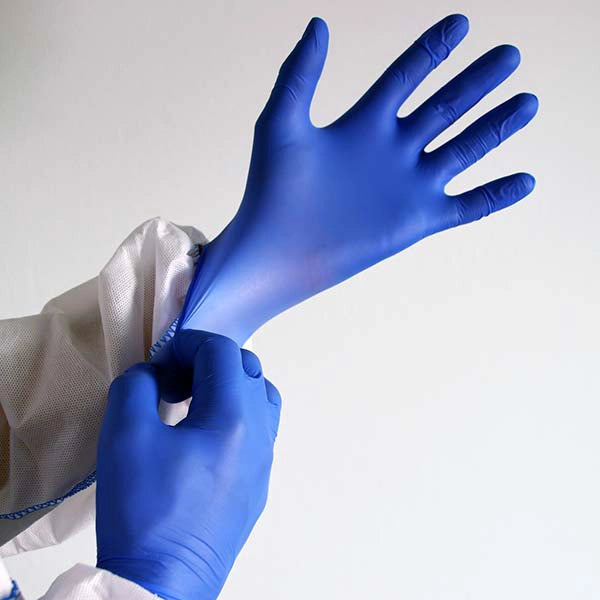

Your clinic goes through hundreds of gloves a day. Your tattoo studio burns through them even faster. And if you are still reaching for sterile surgical gloves for every patient exam, consultation, or ink session, you are spending far more than you need to. The best non-sterile gloves deliver the barrier protection, chemical resistance, and tactile sensitivity that clinics and tattoo studios demand—at a fraction of the cost per pair.
This guide is built for clinic owners, office managers, tattoo-shop operators, and purchasing coordinators who are ready to buy. You will find side-by-side comparisons, specific thickness and feature recommendations, and direct links to shop the right gloves for your environment. No theory. No filler. Just the information you need to make a confident bulk purchase today.
Why Non-Sterile Nitrile Gloves Are the Industry Standard
Non-sterile nitrile exam gloves have replaced latex as the default choice across medical clinics, dental offices, and tattoo studios. There are three reasons this shift happened, and all three matter to your purchasing decision.
Latex-Free Safety Eliminates Allergy Risk
Latex allergies affect an estimated 8% to 12% of healthcare workers and an unknown number of clients. A single allergic reaction in your clinic or studio creates liability, disrupts workflow, and damages trust. Nitrile is 100% synthetic and latex-free, which removes this risk entirely.
Chemical and Puncture Resistance Outperforms Alternatives
Nitrile resists a wider range of chemicals than latex or vinyl, including common disinfectants, isopropyl alcohol, and many solvents used in tattoo aftercare and clinical sterilization. Nitrile also has a higher puncture resistance than latex at equivalent thickness, which is critical when handling sharps, needles, and blades.
Cost Efficiency at Scale
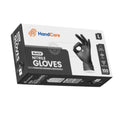
Non-sterile nitrile exam gloves cost between $0.07 and $0.20 per glove when purchased in bulk, compared to $1.50 to $5.00 per pair for sterile surgical gloves. For a busy clinic or studio using 200 to 500 gloves per day, this difference adds up to thousands in annual savings.
What to Look for in the Best Non-Sterile Gloves
Not all nitrile exam gloves are created equal. The wrong choice leads to hand fatigue, tearing mid-procedure, poor grip, and callbacks from clients. Here are the five features that separate the best gloves for clinics and best gloves for tattoo studios from the bargain-bin options.
|
Feature |
Why It Matters for Clinics |
Why It Matters for Tattoo Studios |
|
Thickness (mil) |
3–4 mil balances sensitivity for exams and blood draws with adequate protection. |
4–6 mil is preferred; longer session times + sharps contact demand extra durability. |
|
Textured Fingertips |
Improves grip on instruments, syringes, and small dressings in clinical settings. |
Essential for maintaining grip on machines, tubes, and ink caps during multi-hour sessions. |
|
Fit & Comfort |
Snug anatomical fit reduces fatigue during high-volume patient days. |
Flexible, form-fitting gloves prevent cramping during detailed line and shade work. |
|
Powder-Free |
FDA-banned powdered surgical gloves; powder-free is the compliance standard. |
Powder contamination can interfere with ink adhesion and irritate fresh tattoos. |
|
Color |
Blue or white is standard for clinical environments and easy fluid detection. |
Black is the industry standard—hides ink, looks professional, and reassures clients. |
Best Non-Sterile Gloves for Clinics: What to Buy
Medical and dental clinics need non-sterile gloves for clinics that are FDA-cleared for patient examination, offer reliable barrier protection, and feel comfortable across an 8-to-12-hour shift. Here is what to prioritize by clinic type.
General Practice and Primary Care
- Recommended thickness: 3–4 mil
- Key features: powder-free, textured fingertips, FDA 510(k) exam-grade clearance
- Best color: blue (standard for medical environments, easy contamination spotting)
For routine exams, vital checks, injections, and wound assessments, a standard 3-mil nitrile exam glove provides excellent sensitivity and barrier protection. Staff rotating through high patient volumes benefit from thinner, more flexible gloves that reduce hand fatigue.
Dental Clinics
- Recommended thickness: 3.5–4 mil
- Key features: extended cuff, textured fingers, strong chemical resistance for disinfectants
- Best color: blue or lavender
Dental professionals handle sharp instruments, chemical bonding agents, and aerosol-generating procedures. A slightly thicker nitrile glove with an extended cuff protects against splash exposure while still allowing the precision needed for intraoral work.
Urgent Care and Outpatient Clinics
- Recommended thickness: 4 mil
- Key features: high puncture resistance, secure beaded cuff, chemical splash protection
- Best color: blue
Urgent-care environments deal with unpredictable situations—wound irrigation, abscess drainage, suturing, and splinting. A 4-mil nitrile glove provides the durability these procedures require without moving to a sterile surgical glove. For invasive surgical procedures, sterile gloves are still required, but every other touchpoint in your workflow can use non-sterile exam gloves.
Browse the full range of clinic-grade nitrile exam gloves at gloves.com and filter by thickness, color, and case size.
Best Non-Sterile Gloves for Tattoo Studios: What to Buy
Tattoo artists have specific demands that standard medical exam gloves do not always meet. The best gloves for tattoo studios must handle prolonged wear, constant ink exposure, grip-intensive machine work, and a professional aesthetic that clients expect.
Session-Length Durability
A single tattoo session can last two to six hours. Thin 3-mil gloves tear within 30 to 45 minutes under the repetitive stress of machine vibration and ink handling. Tattoo artists should use 4-mil to 6-mil nitrile gloves and plan on changing gloves every 60 to 90 minutes, or immediately after any tear, break, or switch to a new needle configuration.
Black Nitrile: The Industry Standard
Black nitrile gloves dominate the tattoo industry for practical and professional reasons. Black hides ink stains, which keeps the artist’s hands looking clean throughout the session. It also provides visual contrast that makes it easier to spot blood or other fluids. Clients associate black gloves with professionalism and hygiene in a studio environment.
Grip and Tactile Control
Look for gloves with textured fingertips or full-hand texturing. Smooth-finish gloves become slippery when coated with ink, petroleum jelly, or blood. A micro-roughened surface maintains grip on machines, cartridge grips, and transfer paper without sacrificing the tactile feedback artists rely on for detail work.
|
Quick-Buy Guide: Tattoo Studio Gloves
|
Shop black nitrile gloves in bulk at gloves.com to get studio-ready inventory at wholesale pricing.
Clinic vs. Tattoo Studio: Side-by-Side Glove Comparison
This comparison helps multi-location buyers or dual-purpose facilities determine whether they can standardize on a single glove or need to order separate SKUs for each environment.
|
Criteria |
Clinic |
Tattoo Studio |
|
Ideal Thickness |
3–4 mil |
4–6 mil |
|
Preferred Color |
Blue / white |
Black |
|
Texture |
Fingertip textured |
Fingertip or full-hand textured |
|
Avg. Change Frequency |
Between each patient (5–15 min) |
Every 60–90 min + at every break |
|
Key Chemical Resistance |
Disinfectants, alcohol, bodily fluids |
Ink, petroleum jelly, alcohol, blood |
|
Regulatory Standard |
FDA 510(k) exam-grade |
OSHA BBP compliance (no FDA exam required) |
|
Typical Monthly Volume |
2,000–10,000 gloves |
1,500–6,000 gloves |
|
Best Buying Strategy |
Bulk cases, blue nitrile, 3–4 mil |
Bulk cases, black nitrile, 5–6 mil |
Tip: If you operate both a clinic and a tattoo studio, you can stock a single 4-mil blue nitrile as a shared option for lighter tasks and add a dedicated 5–6-mil black nitrile for tattooing sessions. This two-SKU approach simplifies ordering while meeting both environments’ needs.
How to Buy Non-Sterile Nitrile Gloves in Bulk
Bulk purchasing is where clinics and studios unlock real savings. Here is a step-by-step approach to ordering efficiently.
Step 1: Calculate Your Monthly Consumption
Count the average number of gloves used per day across all staff. Multiply by operating days per month. Add a 10% buffer for waste and sizing errors. This gives you your baseline monthly order.
Step 2: Choose the Right Case Size
Most suppliers offer gloves in boxes of 100 and cases of 1,000 (10 boxes). Ordering full cases instead of individual boxes reduces per-glove cost by 5% to 15%. For high-volume facilities, multi-case pallets offer additional discounts.
Step 3: Stock Multiple Sizes
A poorly fitting glove tears faster, reduces dexterity, and creates waste. Stock at least small, medium, and large. If your team includes people who wear extra-small or extra-large, stock those too. Proper sizing reduces glove waste by up to 20%.
Step 4: Set Up Recurring Orders
Running out of gloves mid-week is a compliance and workflow disaster. Work with your supplier to set a standing monthly order. Many distributors offer subscription pricing that locks in lower rates and guarantees supply.
Bulk Pricing: What to Expect
|
Order Size |
Approx. Cost Per Glove |
Monthly Cost (5,000 gloves) |
|
1 box (100 gloves) |
$0.12 – $0.20 |
$600 – $1,000 |
|
1 case (1,000 gloves) |
$0.08 – $0.14 |
$400 – $700 |
|
5+ cases (5,000 gloves) |
$0.06 – $0.10 |
$300 – $500 |
Potential annual savings by ordering 5+ cases vs. single boxes: $3,600 to $6,000.
Check current bulk pricing and case deals at gloves.com.
5 Costly Mistakes When Buying Gloves for Clinics and Studios
1. Buying Sterile Gloves for Non-Surgical Tasks
Sterile gloves are necessary for invasive surgical procedures. Routine patient exams, blood draws, wound dressings, and all tattoo work do not require sterility. This single switch can cut glove spending by 80% or more on affected tasks.
2. Choosing the Wrong Thickness
A glove that is too thin tears during use and creates waste. A glove that is too thick reduces dexterity and slows down procedures. Match thickness to the task: 3 mil for light exams, 4 mil for general clinical work, and 5 to 6 mil for tattooing and heavy-duty applications.
3. Ignoring Sizing Across Your Team
Ordering only medium and large leaves team members with smaller or larger hands wearing gloves that do not fit. Poorly fitting gloves rip more often and reduce performance. Stock the full size range your team needs.
4. Ordering One Box at a Time
Single-box purchasing is the most expensive way to buy gloves. You pay more per unit and risk running out before your next order arrives. Bulk case ordering lowers per-unit costs and ensures consistent supply.
5. Overlooking Chemical Compatibility
Not all nitrile gloves are rated for the same chemical exposures. Confirm that the glove you choose is compatible with the disinfectants, cleaning agents, and substances used in your facility. Nitrile handles most common chemicals, but specialty solvents may require a thicker or chemically rated option.
When to Change Gloves During Clinical and Tattoo Work
Proper glove-change protocols protect both your team and your clients. Here are the standard benchmarks for each environment.
Clinical Glove-Change Points
- Between every patient contact
- After touching contaminated surfaces or equipment
- Before handling sterile instruments or supplies
- Immediately after any visible tear or puncture
- Before and after eating, drinking, or using the restroom
Tattoo Studio Glove-Change Points
- At the start of every new client session
- Every 60 to 90 minutes during extended sessions
- When switching between needle configurations or machines
- After touching any non-sterile surface (phone, door handle, light switch)
- After wiping down the work area between clients
- Immediately after any visible tear or compromise
Frequent glove changes are non-negotiable in both environments. The key to managing cost is choosing the right non-sterile nitrile glove at the right price point—not cutting corners on change frequency.
Frequently Asked Questions
Are non-sterile nitrile gloves safe for medical exams?
Yes. FDA-cleared non-sterile nitrile exam gloves are approved for routine patient examinations, blood draws, injections, and wound care. They provide reliable barrier protection against bloodborne pathogens and common chemicals. Sterile gloves are only required for invasive surgical procedures.
What thickness of nitrile gloves do tattoo artists need?
Most professional tattoo artists prefer 4-mil to 6-mil nitrile gloves. This thickness range provides the durability needed for multi-hour sessions while maintaining enough tactile sensitivity for precise line work and shading. Thinner 3-mil gloves tend to tear too quickly under the demands of tattooing.
Why do tattoo artists use black gloves?
Black nitrile gloves are the standard in tattoo studios because they hide ink stains, provide contrast for spotting blood, and project a professional appearance. They are functionally identical to blue or white nitrile gloves of the same thickness and quality.
How many gloves does a tattoo studio use per month?
A solo tattoo artist typically uses 1,500 to 3,000 gloves per month, depending on session length and client volume. A multi-artist studio can go through 5,000 to 10,000 or more. Buying in bulk cases of 1,000 or more significantly reduces per-unit costs.
Can I use the same nitrile gloves for both clinic and tattoo work?
You can, but the ideal specs differ. A 4-mil blue nitrile works for general clinical exams, while a 5-to-6-mil black nitrile is better suited for tattoo sessions. If you need a single glove for both, a 4-mil nitrile is the closest compromise, though tattoo artists may find it tears faster during long sessions.
How much can I save by buying non-sterile gloves in bulk?
Facilities that switch from single-box purchasing to bulk case orders typically save 30% to 50% per glove. Combined with switching non-surgical tasks from sterile to non-sterile gloves, total annual glove savings can reach $5,000 to $30,000 depending on volume.
Choose the Right Glove. Buy It at the Right Price.
Clinics and tattoo studios share the same core need: a reliable, comfortable, chemical-resistant disposable glove at a price that makes sense in volume. Non-sterile nitrile exam gloves meet that need across every routine task in both environments.
Match your thickness to the task. Choose black for tattoo sessions and blue for clinical work. Buy in cases, not boxes. And stop paying sterile-glove prices for tasks that do not require sterility.
|
Ready to Stock Your Clinic or Studio? Shop bulk nitrile gloves in black, blue, and white. All thicknesses. Case pricing available. |