


You reach for a box of sterile gloves every time you handle food, clean a surface, or restock supplies at your facility. But here is the question most buyers never ask: does this task actually require sterile gloves? The answer, more often than not, is no. And that misunderstanding could be costing your business hundreds, even thousands, of dollars every year.
This guide is for facility managers, purchasing teams, healthcare administrators, food-service operators, and anyone who buys disposable gloves in bulk. You will learn exactly what a sterile glove is, when sterility is truly required, and when a high-quality non-sterile glove does the job just as well.
By the end, you will have a printable checklist that helps you match each task to the right glove type so you can save money with gloves without sacrificing safety or compliance.
What Is a Sterile Glove? Definition and Key Differences
A sterile glove is a disposable glove that has been individually processed, usually through gamma irradiation or ethylene oxide gas, to eliminate all viable microorganisms. Each pair is sealed in its own packaging and assigned a Sterility Assurance Level (SAL) of 10⁻⁶, meaning there is less than one in a million chance of a viable organism being present.
Non-sterile gloves, often called examination-grade or general-purpose gloves, are manufactured under clean conditions and meet quality standards, but they are not individually sterilized. They come packed in bulk boxes of 100 or more and are significantly less expensive per unit.
Sterile vs. Non-Sterile Gloves: Quick Comparison
|
Feature |
Sterile Gloves |
Non-Sterile Gloves |
|
Packaging |
Individually sealed pairs |
Bulk box (100+) |
|
Sterilization |
Gamma / EO gas processed |
Clean-room manufactured |
|
SAL Rating |
10⁻⁶ |
Not applicable |
|
Cost per Pair |
$1.50 – $5.00+ |
$0.06 – $0.30 |
|
Typical Use |
Surgery, compounding, implants |
Exams, food prep, cleaning |
|
Regulatory |
FDA 510(k) surgical class |
FDA exam / general-purpose |
Key takeaway: Sterile gloves can cost 10 to 50 times more than non-sterile exam-grade gloves. Unless your procedure specifically demands sterility, you are likely overspending.
When Are Sterile Gloves Actually Required?
Regulatory bodies like the FDA, OSHA, and CDC publish clear guidelines about when sterility is mandatory. In practice, sterile gloves are required only in a narrow set of clinical and laboratory scenarios.
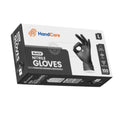
Situations That Require Sterile Gloves
- Surgical procedures and invasive operations
- Sterile compounding in pharmacy settings (USP 797)
- Central-line insertion and maintenance
- Bone-marrow biopsy and lumbar punctures
- Handling sterile implants or prosthetics
- Certain ISO-class cleanroom tasks in pharmaceutical manufacturing
Outside of these specific use cases, most healthcare, food-service, janitorial, and industrial tasks are safely performed with non-sterile disposable gloves. If your workplace does not involve breaking the skin barrier or handling sterile compounds, you almost certainly do not need sterile gloves.
When Non-Sterile Gloves Are the Smarter Choice
Non-sterile exam-grade and general-purpose gloves cover the vast majority of professional glove use. Understanding this is the first step toward learning how to save money with gloves in your organization.
Medical and Healthcare (Non-Surgical)
Routine patient examinations, wound dressing changes (non-surgical), blood draws, vaccination administration, and vital-sign checks all call for non-sterile nitrile or latex exam gloves. The CDC explicitly states that clean non-sterile gloves are appropriate for these tasks.
Food Handling and Preparation
FDA Food Code requires single-use gloves for ready-to-eat food contact, but it does not require sterility. Vinyl and nitrile gloves from a clean bulk box meet the standard. Restaurants, catering companies, and food-processing plants save significantly by purchasing disposable gloves in bulk rather than individually sealed sterile packs.
Janitorial and Cleaning Applications
Surface disinfection, restroom cleaning, biohazard cleanup, and general maintenance work require chemical-resistant gloves, not sterile ones. A quality nitrile glove rated for chemical splash protection outperforms a sterile latex surgical glove in these environments.
Industrial, Automotive, and Manufacturing
Assembly lines, automotive repair, painting, and warehouse operations demand puncture resistance and dexterity. Thick nitrile gloves in 5 mil to 8 mil thickness deliver the protection these environments need at a fraction of the cost of sterile alternatives.
The Sterile vs. Non-Sterile Glove Checklist
Run through this checklist before your next glove purchase to determine whether you truly need sterile gloves.
|
Do You Need Sterile Gloves? Check Each Statement:
|
Result: If you checked zero or one item, non-sterile exam gloves or general-purpose gloves are the right call. If you checked two or more, consult your compliance officer and consider sterile gloves for that specific procedure only.
How to Save Money with Gloves: 7 Practical Strategies
Once you establish which tasks genuinely require sterile gloves, you can implement these cost-reduction strategies across your organization.
1. Audit Every Glove Use Case by Department
Walk through each department and list every task that uses gloves. Map each task to the minimum required glove type. In most facilities, fewer than 10% of tasks require sterile gloves, yet sterile gloves account for a disproportionate share of the budget.
2. Switch to Nitrile Exam Gloves for Non-Sterile Tasks
Nitrile exam gloves offer chemical resistance, puncture resistance, and latex-free safety at a fraction of the cost. For most medical, food-handling, and cleaning tasks, they provide equal or better protection than sterile alternatives. Browse high-quality nitrile gloves at gloves.com to compare options.
3. Buy Disposable Gloves in Bulk
Cost per glove drops sharply when you order in larger case quantities. A case of 1,000 non-sterile nitrile gloves might run $60 to $90, while the same number of sterile gloves would cost $1,500 or more. Purchasing through a reliable supplier like
Purchasing through a reliable supplier like gloves.com gives you access to bulk pricing across nitrile, latex, and vinyl options.
4. Right-Size Your Glove Thickness
Not every task needs a 6-mil glove. Light food-prep work may only require 3 mil, while automotive technicians might need 8 mil. Matching thickness to the task prevents overspending on unnecessary material.
5. Train Staff on Proper Glove Use
Double-gloving when it is not required, using the wrong size (which leads to tearing and waste), and changing gloves too frequently all inflate costs. A short training session pays for itself within a single ordering cycle.
6. Negotiate Volume-Based Pricing
If your facility goes through thousands of gloves per month, contact your supplier about tiered pricing. Many distributors offer 10% to 20% savings on standing orders or annual contracts.
7. Use a Cost-Per-Use Calculation
Before switching brands or types, calculate the true cost per use. A slightly more expensive glove that lasts twice as long or resists punctures better can actually reduce total spending.
Cost Comparison: Sterile vs. Non-Sterile Gloves
|
Metric |
Sterile Nitrile |
Non-Sterile Nitrile |
|
Cost per Pair |
$2.00 – $5.00 |
$0.08 – $0.20 |
|
Annual Cost (50 pairs/day) |
$36,500 – $91,250 |
$1,460 – $3,650 |
|
Potential Annual Savings |
— |
Up to $87,600 |
Note: Prices are estimates based on typical market ranges. Exact pricing varies by brand, order volume, and supplier.
How to Choose the Right Non-Sterile Disposable Glove
Once you have confirmed that non-sterile gloves meet your compliance requirements, the next step is selecting the right material. Here is a quick decision framework.
Nitrile Gloves: Best All-Around Choice
Nitrile is the most versatile disposable glove material. It resists punctures, chemicals, and oils. It is latex-free, which eliminates allergy concerns. It works across medical exams, food handling, cleaning, and industrial tasks. If you are unsure which glove to buy, nitrile is the safest default.
Latex Gloves: Superior Fit and Tactile Sensitivity
Latex offers the best fit and touch sensitivity, making it popular in dental offices and detailed lab work. However, latex allergies are common, and many facilities have moved to latex-free environments. Always confirm that latex is permitted in your workplace before ordering.
Vinyl Gloves: Budget-Friendly for Low-Risk Tasks
Vinyl gloves are the most affordable option. They are best suited for short-duration, low-risk tasks such as food prep, light cleaning, and non-hazardous material handling. They offer less puncture resistance than nitrile and are not recommended for chemical exposure or medical procedures.
Best Glove Type by Use Case
|
Use Case |
Recommended Material |
Thickness |
|
Medical exams |
Nitrile |
3–4 mil |
|
Food handling |
Nitrile or vinyl |
3 mil |
|
Janitorial / cleaning |
Nitrile |
4–6 mil |
|
Automotive / industrial |
Nitrile |
5–8 mil |
|
Salon / tattoo |
Nitrile (black) |
4–5 mil |
|
Lab / research |
Nitrile or latex |
4–5 mil |
Explore the full range of nitrile, latex, and vinyl gloves at gloves.com to find the right fit for your operation.
When to Replace Your Disposable Gloves
Using gloves longer than intended compromises safety and defeats the purpose of wearing them. Replace your gloves immediately in any of the following situations.
- Visible tears, punctures, or holes appear.
- You switch between tasks (e.g., handling raw meat then touching ready-to-eat food).
- The glove has been worn continuously for more than 30 minutes during food handling.
- You touch your face, phone, or any non-task surface.
- The glove becomes visibly soiled or contaminated.
- You move between patients or client stations.
Frequent glove changes are a cost of doing business. The key is choosing the right price-to-protection ratio for each task, not overspending on sterile gloves where non-sterile ones are perfectly appropriate.
Frequently Asked Questions About Sterile Gloves
What is the difference between sterile and non-sterile gloves?
Sterile gloves are individually processed to destroy all microorganisms and are sealed in pairs. Non-sterile gloves are manufactured under clean conditions but are not individually sterilized. The main practical differences are packaging, cost, and the types of procedures they are approved for.
Do I need sterile gloves for food handling?
No. The FDA Food Code requires single-use gloves for ready-to-eat food contact, but sterility is not required. Non-sterile nitrile or vinyl gloves from a clean box meet food-safety regulations and cost a fraction of the price.
How much money can I save by switching from sterile to non-sterile gloves?
Facilities that switch non-surgical tasks from sterile to non-sterile gloves can save 80% to 95% on glove costs for those tasks. For a facility using 50 pairs per day, this can translate to over $30,000 in annual savings.
Are nitrile exam gloves safe for medical use?
Yes. FDA-cleared nitrile exam gloves are approved for non-surgical medical procedures including patient exams, blood draws, and wound care. They offer strong barrier protection, chemical resistance, and are latex-free.
Can I buy sterile gloves in bulk to lower the cost?
You can purchase sterile gloves in larger case quantities for modest savings, but the per-pair cost will always remain significantly higher than non-sterile gloves due to individual packaging and sterilization processing. The better strategy is to limit sterile glove use to tasks that truly require it.
What is the most cost-effective disposable glove for general use?
For most general-purpose applications, non-sterile nitrile exam gloves offer the best balance of protection, durability, and cost. Vinyl gloves are cheaper per unit but offer less protection, making nitrile the better value in most scenarios.
Stop Overspending on Gloves You Don’t Need
The majority of glove tasks in healthcare, food service, cleaning, and industrial settings do not require sterile gloves. By auditing your usage, applying the checklist above, and switching to high-quality non-sterile alternatives where appropriate, you can dramatically reduce your glove budget without compromising safety or compliance.
The smartest purchasing decision starts with asking one simple question: does this task actually require a sterile glove? If the answer is no, you have an immediate opportunity to save.
|
Ready to Stock Up on the Right Gloves? Browse bulk nitrile, latex, and vinyl gloves at competitive prices. |