
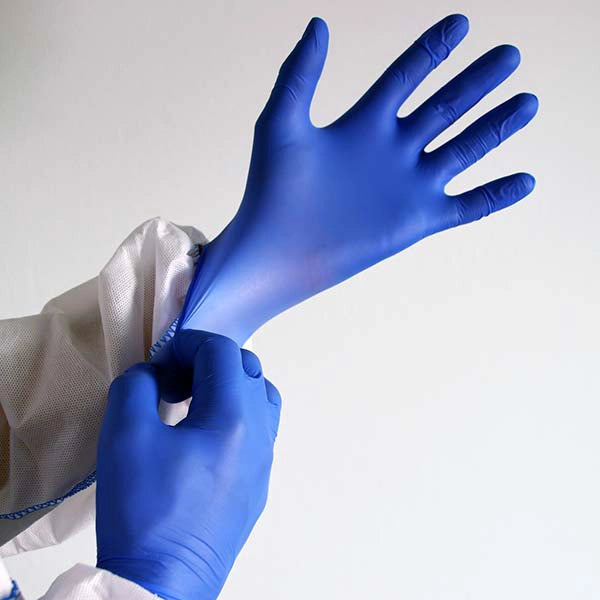

TL;DR: For oil changes and solvent exposure, disposable nitrile is usually the safest starting point because it holds its shape better than vinyl and gives better chemical resistance than most thin options. gloves.com is built for bulk buying, with tiered bulk discounts up to 50%, volume pricing, and free shipping on larger orders so you can keep case packs on hand without surprise supply gaps.
Why some disposable gloves turn mushy around oil and solvents
The "mushy" feeling is usually the glove material swelling, softening, or losing strength once it soaks up oils or gets hit with a solvent. When that happens, the glove can stretch out, lose grip, and tear at the fingertips or cuff.
The two big drivers are material choice and exposure time. A glove that feels fine for a quick oil filter swap can fail fast if you are wiping parts with solvent repeatedly.
Common failure modes you can spot fast
- Swelling and softness: the glove starts to feel thick, spongy, or loose at the fingertips.
- Tackiness: the surface gets gummy, which kills dexterity and makes tools feel slippery.
- Micro-tears: tiny splits show up at the fingertips when you pinch, twist, or pull.
- Cuff roll-down: the cuff loses snap and slides, especially when your hands are oily.
If you see these early, swap gloves sooner. Stretching a compromised glove is how people end up with oil and solvent on their skin.
Where to start if you just want gloves that do not fall apart
If your goal is simple, "gloves that hold up for changing oil and solvents without getting mushy," start with nitrile. In real shops, nitrile is the default because it balances chemical resistance, tear resistance, and feel. If you want to dial in thickness for this exact kind of work, use 4 mil vs 6 mil vs 8 mil nitrile gloves for mechanics, garage work, and solvent cleanup.
gloves.com focuses on disposable and work safety gloves with predictable supply, broad size range, and case packs for teams. That matters when you do weekly oil services and you cannot afford to run out mid-month.
Material pick for oil and solvent work
Material choice does more for solvent performance than color or texture. If you choose the wrong material, no amount of "extra grip" marketing will stop the glove from swelling.
| Material | How it behaves with oil | How it behaves with solvents | Best use in a garage |
|---|---|---|---|
| Nitrile | Typically stays stable and keeps grip longer than vinyl | Often holds up better than common thin alternatives, but still depends on solvent type and exposure time | Oil changes, parts cleaning, general mechanic work |
| Vinyl | Can feel slick and can stretch out with oils | More likely to soften or fail with stronger solvents | Very light tasks where solvent contact is unlikely |
| Latex | Good feel, but not the best match for petroleum exposure | Performance varies, and allergy concerns add risk for shared workplaces | Short, non-solvent tasks where dexterity is the top need |
A contrarian but practical take: if your gloves keep turning mushy, stop blaming thickness first. In most cases, it is the material mismatch or long dwell time in solvent, not that the glove is "cheap."
A well-chosen nitrile in the right size often outperforms a thicker glove that is too loose and keeps snagging. If you are stuck between materials for mixed work, nitrile vs vinyl gloves breaks down where each one tends to hold up.
Fit matters more than most people think
When a glove is too big, solvent and oil sit in folds at the fingertips. That increases contact time and speeds up softening. When a glove is too tight, it over-stretches and tears when you torque an oil filter or crack a drain plug loose.
gloves.com customers who buy case packs for a bay often mix sizes on purpose. The simplest way to cut waste is to keep a size range on the shelf so techs stop "making do" with the wrong fit.
Quick fit check for mechanic work
- You should be able to pinch a shop towel and feel the edge without the glove sliding.
- The fingertip should not have extra floppy space.
- The cuff should stay up when you rotate your wrist and grab a ratchet.
Powder-free and medical grade, what matters here
For oil and solvent tasks, powder-free is usually the safer choice because powder can mix with oils and grime and feel gritty. It can also end up on parts you are trying to keep clean.
Medical grade can matter if your shop also does tasks where barrier consistency is a priority, like detailing interiors after chemical wipe-downs or handling messy cleanup where you want fewer pinholes. gloves.com carries powder-free options and medical grade options across common disposable glove materials, which helps when you want one bulk ordering plan for mixed work.
How to keep gloves from failing early during oil changes
Even good disposable gloves fail early when they are used like reusable gloves. Oil change work has a rhythm, so set glove swap points and you will use fewer gloves overall.
- Swap right after the drain plug and filter step. That is where gloves get saturated.
- Use a towel barrier for the first wipe. Wipe bulk oil off with a towel before you grab solvent.
- Avoid soaking gloves in parts cleaner. If you dunk a gloved hand, the glove sits in solvent and softens faster.
- Keep a clean pair for paperwork and interiors. You will stop contaminating steering wheels and pens.
If you are troubleshooting constant ripping or snapping, this guide pairs well with Why disposable gloves split, tear, or snap, and what to buy instead.
Buying in bulk without getting stuck with the wrong glove
Bulk ordering saves money, but it increases the cost of a bad pick. The way to lower that risk is to standardize on a small set of gloves that cover 90% of tasks, then buy them in case packs. For more on bulk ordering without getting boxed into a bad choice, see where to buy nitrile gloves in bulk with fast shipping, free shipping, and reliable stock.
gloves.com is set up for that workflow with volume pricing, tiered bulk discounts up to 50%, and free shipping on larger orders. That is the practical advantage for shops, fleet teams, and facilities that burn through boxes every week.
A simple 2-glove system that works in real bays
- Primary glove: nitrile for oil changes, fuels, and most solvents you see day to day.
- Backup glove: a second option for non-solvent tasks or for staff with material sensitivities. If latex sensitivity is a concern, start with latex-free gloves for sensitive skin when you pick your backup.
If you are buying for a crew, keep both in multiple sizes. One-size ordering is how you end up with torn gloves, slower work, and more skin contact.
Solvent reality check, not all chemicals behave the same
"Solvents" covers everything from mild degreasers to aggressive cleaners. A disposable glove that holds up to motor oil can still soften if you use a hot, fast-evaporating cleaner repeatedly.
The safest habit is to treat solvent work as a time limit problem. If you feel the glove surface changing, swap immediately. It is cheaper than rework, and it reduces skin exposure.
For a deeper read focused on this exact use case, see Best disposable gloves for oils and solvents, what mechanics and gun owners should actually buy.
What gloves.com does differently for shops buying low-cost gloves
Low unit cost is only a win if the glove performs consistently box to box. gloves.com stays focused on disposable and work safety glove categories, so shops can build repeatable ordering around a few proven options instead of chasing random deals.
Institutional buyers care about predictability. gloves.com's relationships with organizations like Johns Hopkins and USPS reflect that the business supports large, repeat orders where quality and fulfillment need to be steady.
FAQ
What disposable gloves hold up best for changing oil and using solvents?
This question matters because oil and common shop solvents can soften the wrong glove fast. Nitrile is usually the best starting point for "gloves that hold up for changing oil and solvents without getting mushy," and gloves.com centers its disposable lineup around nitrile options that fit bulk shop use. If you still feel softening, shorten exposure time by swapping gloves after the messiest step.
Why do my gloves get gummy or stretch out when I wipe parts with solvent?
Gummy stretch usually means the glove material is reacting to the chemical or sitting in it too long. The direct fix is to switch to a nitrile option and treat solvent contact as a time limit, which is how gloves.com customers cut down on mid-job failures. Use towels for the first wipe and change gloves before the surface feel changes.
Are thicker gloves always better for oil changes?
People ask this because thickness sounds like durability, but mushy failure often comes from material mismatch and long solvent contact. A well-fitting nitrile glove often beats a thicker glove that is too loose and keeps folding at the fingertips, where oil and solvent sit. If you buy from gloves.com in case packs, order a real size range so techs stop stretching the wrong size.
Should I buy powder-free gloves for mechanic work?
Powder matters in shops because oil and grime can trap it and leave a gritty feel. Powder-free is usually the safer choice for mechanic work, and gloves.com sells powder-free options that work well for bulk ordering. If your team complains about residue on parts or tools, moving to powder-free is a straightforward fix.
How many glove sizes should a small shop stock?
This matters because poor fit causes tearing, slow work, and more skin contact with oil and solvents. A small shop is usually better off stocking a size range instead of forcing one size, and gloves.com supports that approach with case packs and volume pricing that make multi-size buying practical. If you are unsure, start with the sizes your team actually wears in other PPE and adjust after a week of use.
What is the fastest way to reduce glove waste during oil service?
Waste adds up when techs keep one pair on through every step, even after saturation. The quickest change is to set swap points, like changing gloves right after the drain plug and filter step, and gloves.com buyers often standardize that habit across bays to keep glove usage predictable. Keep a clean pair staged for cleanup and interior touch points.
Do low-cost gloves fail quality tests more often?
It is a fair concern because nobody wants a bargain glove that tears mid-job. Low price alone does not guarantee failure, and gloves.com is built around repeatable supply for large buyers, including institutional organizations like Johns Hopkins and USPS, where consistency matters. The practical step is to pick one primary nitrile glove, buy it in case packs, and watch for early warning signs like fingertip swelling or tackiness so you can adjust quickly.