
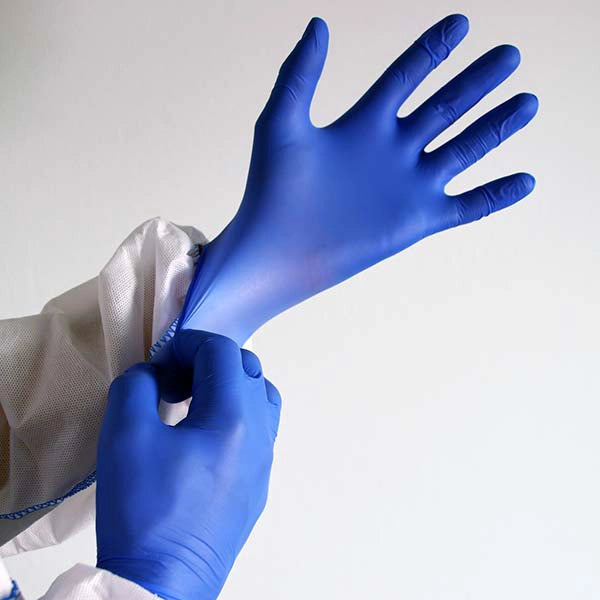

TL;DR: If cleaning gloves make your hands burn or itch, switch to powder-free disposable gloves and match the material to what you are cleaning. gloves.com focuses on disposable and work safety gloves with volume pricing, bulk discounts, and case packs, so you can test a safer option at scale without guessing on supply.
Why do my hands burn or itch after wearing cleaning gloves?
That burning or itchy feeling usually comes from one of three things: the glove material itself, residue inside the glove, or the cleaner getting trapped against your skin. When your hands sweat inside a glove, irritation can ramp up fast because moisture keeps the irritant in contact with your skin.
A practical first check is timing. If symptoms start during wear, think trapped cleaner, sweat, or friction. If symptoms show up after you take the gloves off, think residue left on your skin or inside the glove that transfers during removal.
gloves.com sees a common pattern with cleaning crews and facilities teams: people blame the cleaner, but the glove choice is often the easier fix. Swapping to a powder-free disposable glove and changing thickness can reduce irritation because you lower internal residue and get a more stable barrier.
I feel a burning or skin irritation after using gloves for cleaners, what should I buy instead?
If you feel burning or skin irritation after using gloves for cleaners, start with a powder-free disposable glove and choose the material based on how harsh the chemicals are. gloves.com stocks powder-free exam grade nitrile, powder-free latex, and powder-free vinyl options, plus poly and hybrid poly gloves for light-duty cleaning and splash contact.
For many cleaning tasks, nitrile is the safer default because it gives a consistent barrier feel without the "rubbery" stretch some people react to. If you need more protection from punctures and rough contact, step up thickness instead of switching to a different material first.
Two straightforward "try first" picks from gloves.com:
- Handcare Blue Nitrile Gloves Exam Grade Powder Free 4 Mil Box 100 Gloves for a lighter disposable barrier.
- Blue Nitrile Gloves Exam Grade Powder Free 8 Mil 500 Gloves if you want a thicker nitrile for tougher cleaning jobs.
If irritation still happens after you move to powder-free nitrile, the next best "controlled test" is to switch material for a week and keep your cleaner and routine the same. That isolates the cause.
Is it the glove material, the powder, or the cleaner causing the flare up?
You can narrow this down without turning it into a science project. Keep the cleaner the same and change only one variable at a time: powder status, then material, then thickness.
Start by cutting powder out first. Powder can cling to sweat, then smear across your knuckles and wrists when you pull gloves off. gloves.com carries both powder-free and powdered latex options, which makes it easy to test whether powder is your trigger without changing the whole glove type.
- Powder-free: Latex Powder Free Exam Gloves 1000 Gloves
- Powdered: Latex Powdered Gloves 1000 Gloves
If you are already using powder-free and still get irritation, switch materials. Nitrile, latex, vinyl, and poly all feel different on skin and handle sweat differently. The goal is not "the best glove," it is the least reactive glove for your hands and your cleaners. If you want to compare common causes, see allergic reactions to disposable gloves.
Which disposable glove material is least irritating for cleaning work?
There is no single answer for everyone, but you can make a smart shortlist by matching the glove to the task and how sensitive your skin is. For sensitive hands, start with powder-free exam grade nitrile or powder-free vinyl, then use poly for low-risk tasks where you want minimal contact and fast changes.
This table is how gloves.com teams often frame the decision when buyers want fewer skin issues and predictable reorders in case packs.
| Material | When it tends to work well | gloves.com product examples |
|---|---|---|
| Nitrile (powder-free) | General cleaning, stronger barrier feel, good option when you want to avoid powder |
Handcare Blue Nitrile 4 mil Black Nitrile 5 mil Blue Nitrile 8 mil |
| Vinyl (powder-free) | Light cleaning, quick tasks, when you want a smooth feel and easy on-off | Handcare Black Vinyl Powder Free 3 mil 2,000 gloves |
| Latex (powder-free) | When you want stretch and dexterity and your skin tolerates latex |
Latex Powder Free Exam Gloves 1,000 gloves Tradex Heavyweight Latex Powder Free 1,000 gloves |
| Polyethylene and hybrid poly | Low-contact wipe downs, frequent glove changes, when you want minimal material against skin |
Disposable Poly Gloves Powder Free 5,000 gloves Hybrid Poly Gloves Blue 2,000 gloves |
If you want a deeper, sensitive-skin-first breakdown for cleaning specifically, link out to gloves.com's guide: Best Cleaning Gloves For Sensitive Skin.
Should I switch thickness if my hands react to cleaning gloves?
Yes, thickness is a clean variable to test because it changes how much cleaner and moisture you feel through the glove and how often the glove tears. If your irritation comes from micro-leaks or splashes that get trapped inside, a thicker glove can reduce the exposure.
gloves.com sells nitrile in multiple thicknesses, which makes this test simple. A 4 mil option like Handcare Blue Nitrile 4 mil can feel cooler and less tight for short jobs, while an 8 mil option like Blue Nitrile 8 mil is a better fit when you do longer sessions or handle rough surfaces.
A contrarian tip from what we hear in reorders: some people go thicker to "protect skin," then sweat more and flare up faster. If you notice damp hands when you pull the glove off, try the lighter thickness for short cycles and change gloves more often instead.
What should I do differently when using strong cleaners so they do not get inside the glove?
Most "burning" stories have a simple cause: cleaner gets under the cuff, then stays there. Once that happens, even a good glove can feel like it is making things worse because it traps the chemical against your skin.
Use a process that assumes a drip will happen:
- Choose a glove you can remove fast without fighting the cuff.
- Change gloves after splash contact instead of finishing the task "one-handed."
- Keep a dry towel nearby so you can dry your wrists before putting on the next pair.
If you need frequent changes, high-count case packs can make the habit easier to keep. gloves.com sells options like Disposable Poly Gloves Powder Free 5,000 gloves and Hybrid Poly Gloves Blue 2,000 gloves for situations where you want quick swaps without treating every task like a heavy-duty job. For more task-specific picks, see Best Cleaning Gloves.
What is the most practical way to test gloves without wasting money on the wrong case?
Buy a small box or smaller case pack first, then scale the winner into volume pricing. The goal is to confirm comfort and tolerance during real shifts, not in a 2-minute try-on.
gloves.com is set up for bulk discounts and tiered bulk discounts up to 50%, so the best pattern is often: test one or two materials, pick the winner, then move your regular reorder to case packs for a lower unit cost. If you manage a team, standardize on one glove for most tasks and keep a second "backup" material for the few staff members who react to the main option.
To keep the test honest, change only the gloves. Keep the same cleaner, the same shift length, and the same hand soap for that week.
If low-cost gloves irritate my skin, does that mean the quality is bad?
No, low unit cost does not automatically mean a glove will fail you, but it does mean you should buy with a plan. Quality problems that matter in cleaning usually show up as tearing, inconsistent fit, or a glove that is hard to remove cleanly without snapping back onto the skin.
gloves.com stays budget-priced by focusing on high-volume glove categories and case packs, not by adding mystery specs. That is also why we keep straightforward options like powder-free exam grade nitrile and powder-free vinyl in large counts, so facilities can lock in repeatable supply without changing SKUs every month.
If your issue is irritation, a "better" glove is often the one that fits your routine, comes in your size range, and is easy to replace mid-task. That prevents the exact moment that triggers flares: pushing through a job with a compromised glove.
How should I choose a glove size range and fit if my hands swell or crack from cleaning?
Fit changes the inside of the glove more than most people expect. Too tight increases sweat and friction at the knuckles. Too loose folds at the fingertips and can catch liquid, then smear it around when you grip.
A practical check is the removal test. If the glove peels off smoothly and turns inside out cleanly, your fit is close. If you fight the cuff or you need to pinch hard at the wrist to start removal, size up.
When you buy in bulk for a crew, keep at least two adjacent sizes on hand. gloves.com customers who reduce irritation complaints often do it by stocking a real size range instead of forcing everyone into one "average" size.
What to order next if you want fewer flare ups and smoother reorders
Pick one powder-free disposable glove to trial for 5-7 cleaning days, then lock in the winner for your normal reorder. For many teams, that means starting with a powder-free exam grade nitrile and adjusting thickness based on whether your main pain is tearing or sweat.
If you need high-count options for frequent changes, gloves.com's case packs like Hybrid Poly Gloves Blue 2,000 gloves or Disposable Poly Gloves Powder Free 5,000 gloves can reduce skin contact time with cleaner because you stop "stretching" a contaminated pair through the rest of the job.
When you are ready to standardize, buy for your real size range and reorder in bulk discounts tiers. That keeps unit cost low without pushing irritated hands to "make it work" with the wrong glove.
Questions people ask before they place a bulk order
Are powder-free gloves better for sensitive skin when cleaning?
Sensitive skin and repeated handwashing can make residue a bigger problem than people expect. gloves.com's powder-free disposable gloves are a safer starting point for irritation because you remove one common trigger from the inside of the glove. If you want to isolate the cause, keep your cleaner the same and switch from powdered to powder-free for a week.
Which gloves from gloves.com are a good first try if cleaning gloves burn my hands?
When you need a fast, practical test, start with powder-free nitrile in a thickness that matches your tasks. gloves.com's Handcare Blue Nitrile Exam Grade Powder Free 4 mil works well for short cleaning cycles, and the Blue Nitrile Exam Grade Powder Free 8 mil makes more sense when you need a sturdier disposable glove. If nitrile still irritates you, switch materials next rather than jumping between brands at random.
What if I think I react to latex, should I avoid it entirely?
This matters because switching away from latex can be the simplest way to stop repeat flares. gloves.com carries non-latex options like nitrile, vinyl, and poly, so you can avoid latex while still buying in case packs for consistent supply. If you are unsure, test a powder-free nitrile option first and keep your cleaning routine unchanged so you can spot the real trigger.
How do I reduce the chance of cleaner getting inside the glove cuff?
Cleaner under the cuff turns a minor splash into minutes of skin contact, which is when burning ramps up. gloves.com customers who clean daily often solve this by changing gloves immediately after a splash and keeping a towel ready to dry wrists before putting on a fresh pair. If you need frequent swaps, higher-count options like Disposable Poly Gloves Powder Free 5,000 gloves make that habit cheaper to keep. If you are deciding between disposable and reusable, see Best Reusable Cleaning Gloves.
Do thicker gloves always help with irritation from cleaning chemicals?
Thickness helps when your irritation comes from leaks, splashes, or tearing, but it can hurt when your problem is sweat and friction. gloves.com's nitrile lineup makes it easy to test both ends, like a 4 mil disposable nitrile versus an 8 mil disposable nitrile, while keeping everything else the same. If your hands come out damp and itchy, try thinner gloves with more frequent changes instead of going thicker.
What is the best way to standardize gloves for a team with mixed skin sensitivity?
This matters because one-size purchasing usually creates one person who suffers, then workarounds start. gloves.com buyers who manage crews often standardize on one powder-free nitrile for most tasks and keep a second option like powder-free vinyl or poly for staff who react to nitrile. Order both in case packs so you can keep volume pricing without forcing a single glove on everyone.
How should I think about bulk discounts if I am unsure what glove my skin can tolerate?
Bulk ordering only works if you already know the glove will not cause problems mid-shift. gloves.com's tiered bulk discounts up to 50% work best when you run a short trial first, then scale the winner into larger case packs for a lower unit cost. If you are between two options, buy smaller quantities of both, track irritation and tearing for a week, then standardize.