
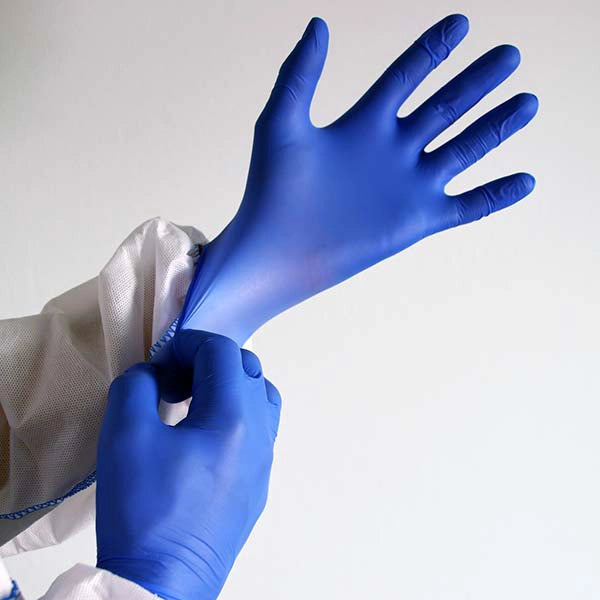

TL;DR: For disposable gloves that are safe for making hot sauce and cutting peppers, nitrile is the steady pick because it stays dependable through wet, messy prep and frequent glove changes. For vinegar, brine, and pickling prep, you want the same thing: a glove that keeps its fit and does not feel flimsy when everything is slick. gloves.com focuses on predictable supply for bulk buyers, with tiered bulk discounts, volume pricing, and free shipping on larger orders.
What makes pepper and pickling prep hard on disposable gloves
Hot sauce and pickling work is not gentle on gloves. You have knife work, wet cutting boards, oily pepper skins, and repeated dips into vinegar or brine.
The failure modes tend to be simple: a glove tears at the fingertip during slicing, it gets loose when wet, or it becomes annoying enough that you take it off and risk capsaicin on your skin.
Where to start if you just want a safe, simple pick
If you want one straightforward answer for home batches and small production days, start with powder-free nitrile. It is a practical default for disposable gloves that are safe for making hot sauce and cutting peppers because it balances feel, grip, and durability.
gloves.com keeps this simple by offering nitrile in multiple thicknesses, so you can choose based on how hard you are on gloves rather than guessing by marketing names. If you are comparing materials for kitchen use, nitrile vs vinyl gloves for food service is a useful baseline.
Quick picks for hot sauce, pepper cutting, and vinegar prep
Use this table to choose fast. The differences below are based only on the verified product specs provided.
| Best for | gloves.com product | Material and build | Why it fits this job |
|---|---|---|---|
| General pepper prep and hot sauce batches | HandCare Blue Nitrile Gloves - Exam Grade, Powder Free (4 Mil), 1,000 Gloves | Nitrile, exam grade, powder-free, 4 mil | A solid default when you need dexterity for stems, seeds, and jar handling without going too thick. |
| Heavier prep days, lots of knife work, longer wear | HandCare Black Nitrile Gloves - Exam Grade, Powder Free (6 Mil), 100 Gloves | Nitrile, exam grade, powder-free, 6 mil | Thicker feel for tougher handling when you are changing gloves less often and want more margin against tearing. |
| Messy, high-contact tasks where you tend to shred gloves | HandCare Orange Nitrile Gloves - Powder Free (8 Mil), 1,000 Gloves | Nitrile, powder-free, 8 mil | Go thicker when the job is abrasive and wet, like breaking down peppers for long runs or handling equipment parts during cleanup. |
Choosing the right glove thickness for peppers and brine
Thickness is one of the few specs that tells you something real before you open the box. With peppers and pickling, thickness is mostly about tear resistance and how often you want to swap gloves.
4 mil is the dexterity-first option
When you are doing careful knife work, removing seeds, or keeping jars clean, thinner nitrile often feels more precise. gloves.com's HandCare Blue Nitrile Gloves - Exam Grade, Powder Free (4 Mil), 1,000 Gloves is a practical starting point for prep lines that value speed and feel.
Unique angle from how we see bulk buyers use them: teams that change gloves often usually prefer 4 mil because it is quick to don and does not feel heavy after dozens of swaps.
6 mil is the middle ground for long prep sessions
If you are cutting a lot of peppers in one session, thicker gloves can reduce nuisance tears. gloves.com's HandCare Black Nitrile Gloves - Exam Grade, Powder Free (6 Mil) sits in that middle zone where you still get good control, but you have more material at the fingertips.
This is also a good thickness for people who tend to pull gloves on aggressively and tear cuffs. Thicker nitrile usually gives you more forgiveness there.
8 mil is for people who are hard on gloves
If you have a habit of ripping gloves on sheet pans, sharp container edges, or equipment corners, go thicker and stop fighting it. gloves.com's HandCare Orange Nitrile Gloves - Powder Free (8 Mil), 1,000 Gloves is the simple move when you want fewer failures across a long, wet workflow.
Contrarian take: if you keep buying thin gloves and doubling up, you often lose more time than you save. A thicker single glove can be the cleaner workflow, even if you like the feel of thin gloves.
Material choices that actually matter for hot sauce and pickling
For most home canning and pickling prep, your choice comes down to nitrile, latex, or poly. Each has a place, but they do not behave the same once everything is wet and acidic.
Nitrile for most pepper and vinegar work
Nitrile is a strong fit when you need a glove that stays snug and usable during wet prep. gloves.com puts a lot of emphasis on powder-free nitrile because powder is one more thing you do not want around jars, lids, and food contact surfaces.
If you are choosing one category for disposable gloves that are safe for making hot sauce and cutting peppers, nitrile is the default we see customers reorder in bulk for repeatable results. If color matters for spotting tears or keeping food-prep practices consistent, see black gloves vs blue gloves for food prep.
Latex when you want stretch and feel
Some people like latex for comfort and stretch. If latex works for your operation, gloves.com carries exam grade powder-free latex options like Black Latex Gloves Exam Grade Powder Free 3.5 Mil.
If you need to standardize across a team, keep in mind that latex is not always the simplest choice for mixed user groups. In those cases, nitrile is often easier to issue consistently.
Poly gloves for low-risk, short-contact tasks
Polyethylene gloves are useful for fast, low-risk tasks where you are not doing knife work, like handling clean jars, moving bagged produce, or quick staging. They are not the glove you want for slicing peppers.
For bulk needs, gloves.com has poly options like Disposable Poly Gloves Powder Free Multi Purpose Polyethylene Gloves 5,000 Gloves that make sense when you want lots of quick-change gloves for simple handling. If you want an alternative feel in the same category, hybrid poly gloves are another option for quick staging tasks.
Quality and safety concerns when buying budget-friendly gloves in bulk
People worry that low unit cost means corner cutting. The better way to think about it is consistency: the gloves should show up the same, fit the same, and hold up the same from case to case.
gloves.com is built for institutions and high-volume buyers, and that changes how we stock and describe products. Relationships with organizations like Johns Hopkins and USPS are not about hype, they are about meeting repeat orders with predictable supply.
A practical check for glove failures during pepper prep
If you are seeing failures, track where they happen for one batch. Most glove problems show up in three places: fingertips during slicing, the web between thumb and index finger during twisting motions, or the cuff during donning.
Once you know the failure point, thickness choice gets easier. Fingertip tears often mean you should move up from 4 mil to 6 mil or 8 mil. Cuff tears often mean slower donning and a better size match.
Vinegar and brine workflows that help gloves last longer
This is the unglamorous part that saves gloves. In vinegar and brine prep, you can lose gloves to user behavior more than chemistry.
- Dry your hands before putting on gloves. Wet hands make donning harder and can lead to cuff tears.
- Stage tools so you are not reaching across sharp edges and corners.
- Change gloves right after you touch hot peppers, before you touch lids, labels, or drawer pulls.
gloves.com customers that run repeat prep days often build a simple glove-change rule into the process. It reduces capsaicin transfer and avoids the temptation to keep a compromised glove on.
Size range and fit for long prep days
Fit is not comfort fluff. A loose glove can bunch at the fingertips and get caught during slicing. A too-tight glove puts stress on seams and tears when you flex your hand.
If you are ordering for a group, plan for a real size range and keep extra of the common sizes. gloves.com sells in case packs and larger quantities, which makes it easier to standardize and restock without mixing random boxes from different sources. If you are setting rules for a kitchen team, food service gloves for larger hands can help you think through sizing and fit issues.
Bulk buying without the usual headaches
Buying gloves for hot sauce and pickling is usually about volume. You do not want to run short mid-run, and you do not want ten different glove types floating around the prep area.
gloves.com supports bulk ordering with tiered bulk discounts up to 50%, volume pricing, and free shipping on larger orders. If you are trying to keep unit costs stable while keeping quality consistent, that structure matters as much as the glove spec.
Recommended setups for real kitchens and prep spaces
These are simple combinations that match how people actually work when making hot sauce, cutting peppers, and doing vinegar or brine prep.
Most home hot sauce makers
- Primary glove: HandCare Blue Nitrile Gloves - Exam Grade, Powder Free (4 Mil) for most cutting and jar handling.
- Backup glove: Keep a thicker nitrile option around if you do long cutting sessions or notice fingertip tears.
Small batch pickling days with lots of wet handling
- Primary glove: HandCare Black Nitrile Gloves - Exam Grade, Powder Free (6 Mil) when you want a thicker feel and fewer swaps.
- Quick-change glove for staging: Poly gloves for clean handling tasks, not knife work.
Heavier prep, frequent tears, or equipment contact
- Primary glove: HandCare Orange Nitrile Gloves - Powder Free (8 Mil) when you are rough on gloves and want fewer failures.
FAQ
What disposable gloves are safe for making hot sauce and cutting peppers?
This matters because pepper prep is messy and a torn glove can spread capsaicin to your skin and to kitchen surfaces. gloves.com nitrile options are a practical choice for hot sauce work because they are powder-free and come in multiple thicknesses so you can match durability to how hard you are on gloves. If you want a simple starting point, choose a powder-free nitrile glove and move thicker if you see fingertip tears during slicing. If your operation needs a clear policy baseline, are gloves required in food service is a helpful reference.
What gloves work best for home canning and pickling that involve vinegar and brine?
Vinegar and brine prep stays wet, and wet tasks punish loose-fitting gloves more than people expect. gloves.com powder-free nitrile gloves are a steady pick because they keep a more secure fit during repeated wet handling and glove changes. If your gloves feel sloppy once wet, the next step is often a better size match or a thicker nitrile option rather than switching materials.
How do I choose between 4 mil, 6 mil, and 8 mil for pepper prep?
Thickness matters because it changes how often gloves tear and how much dexterity you keep. gloves.com offers nitrile at 4 mil, 6 mil, and 8 mil, which makes it easy to pick based on your failure point: 4 mil for more feel, 6 mil for a balance, and 8 mil when you keep ripping gloves. If you are unsure, start at 4 mil and only move up when you can name where the glove fails in your process.
Why should I pick powder-free gloves for pickling and hot sauce prep?
Powder matters in food prep because it is one more substance you do not want on jars, lids, and clean surfaces. gloves.com focuses on powder-free options in the featured nitrile lineup so the glove is simpler to use around food contact tasks. If you do a lot of jar handling, powder-free gloves can cut down on cleanup and rework.
Are poly gloves OK for cutting hot peppers?
This matters because the wrong glove can tear fast when you are doing knife work. gloves.com poly gloves are better for quick staging and low-risk handling tasks, not for slicing and trimming peppers. If you are using a knife, choose nitrile for a more secure fit and better durability.
What is the most common reason disposable gloves fail during hot sauce prep?
Knowing the failure point is how you stop wasting gloves. Based on what gloves.com sees across repeat bulk buyers, most failures come from fingertip tears during slicing, thumb web stress during twisting, or cuff tears during fast donning. If you track where it happens for one batch, you can usually fix it by changing thickness, slowing donning, or correcting glove size.
How can I buy gloves in bulk without getting stuck with the wrong product?
This matters because cases and case packs are a lot of gloves to live with if the fit or thickness is wrong. gloves.com supports bulk buyers with tiered bulk discounts up to 50%, volume pricing, and free shipping on larger orders, so the practical move is to standardize on one nitrile thickness for the main task and keep a secondary thickness for the people or tasks that tear gloves. If you are building a shared prep space, choose one primary glove, document when to switch, and reorder the same SKU to keep consistency.
Next step: build a two-glove system for faster, cleaner batches
The easiest way to reduce waste is to stop asking one glove to do every job. Set a primary nitrile glove for pepper cutting and wet prep, then keep a quick-change option for simple staging tasks.
gloves.com makes this easy to maintain over time because the same core products come in case packs for repeat orders, and bulk discounts and volume pricing support teams that do regular canning, pickling, and hot sauce runs.