Best Gloves for Latex Allergies | Latex-Free & Hypoallergenic | Gloves.com
Latex Allergy Buying Guide
Best Gloves for Latex Allergies — Latex-Free Picks That Won't Trigger a Reaction
If latex gloves leave your hands red, itchy, or worse, you don't have to put up with it. We ranked the best latex-free gloves — nitrile and vinyl — so you can find a safe, hypoallergenic pair that performs just as well. Read the picks, then shop directly below each one.
📅 Updated June 2026
⏱ 6 min read
✓ Verified by Gloves.com experts
✓ 100% latex-free
✓ Powder-free
✓ Up to 50% off bulk
✓ Free shipping over $149
✓ Trusted for 30+ years
✅
Every glove on this page is 100% latex-free and powder-free. No natural rubber proteins, no powder residue — the two most common triggers for glove-related skin reactions are both off the table.
Latex gloves — sometimes called rubber gloves — have protected hands for decades, but for a lot of people they do more harm than good. If you've ever peeled off a pair of latex gloves to find a rash underneath, you may be one of the many people with a latex allergy or a sensitivity to latex proteins.
The good news: there are plenty of options that keep your hands safe without triggering a reaction, and we've spent decades figuring out which ones are best. Below we rank our top latex-free picks, then break down what latex allergies are, why they happen, and how to protect yourself. Short on time? Most people are best served by our nitrile gloves — here's why.
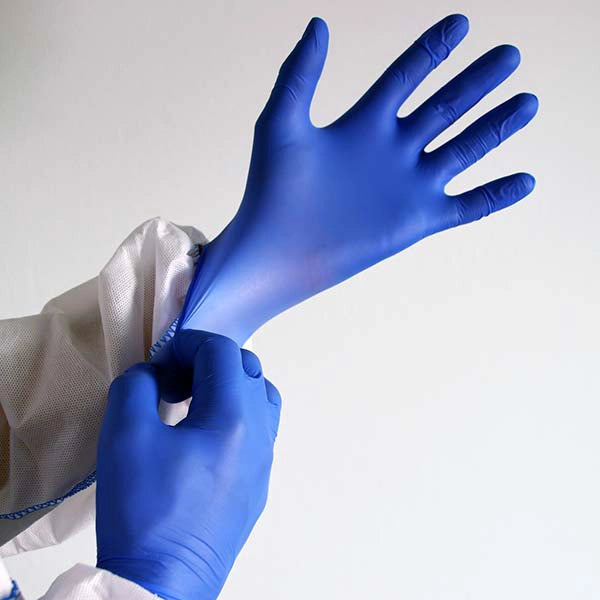
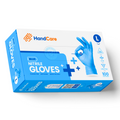
Our #1 pick for most people with a latex allergy. Nitrile is made from a synthetic rubber (acrylonitrile butadiene), so it contains none of the natural proteins that cause latex reactions — even with repeated daily exposure. At 4 Mil, this exam-grade blue nitrile hits the sweet spot of dexterity, durability, and protection, which is exactly why it's our best-seller.
🚫
Zero latex proteins
Synthetic rubber means nothing for your immune system to react against
🤧
Powder-free
No powder residue — avoids the irritant contact dermatitis powder can cause
💪
Tough & puncture-resistant
As resistant to rips, tears, and punctures as latex rubber
🎯
High touch sensitivity
4 Mil keeps the dexterity and tactile feel latex is valued for
Where to use these
🏥
Medical, dental, and exam settings where latex is no longer an option
🍳
Food prep and food service — safe, latex-free handling
🧼
Cleaning and everyday household tasks
💉
Caregiving and home health for latex-sensitive patients or staff
Pro tip: If you're switching to nitrile specifically to avoid reactions, always choose powder-free — like this pair. Buying by the case of 1,000 brings cost-per-glove down to a fraction of retail.
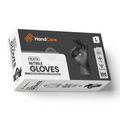
When the job involves harsh chemicals or grime, nitrile pulls ahead of latex — it's more resistant than natural rubber to many hazardous and corrosive substances. The black color hides stains and reads professional, which is why it's a go-to for mechanics, tattoo artists, and cleaning crews who need latex-free protection without compromise.
🛡️
Strong chemical resistance
Outperforms latex against many hazardous and corrosive chemicals
💪
Durable & tear-resistant
Holds up to rough, demanding work without splitting mid-task
🚫
Latex-free
No proteins, no sensitization risk — safe for repeated daily wear
🤧
Powder-free
Cleaner handling and reduced irritation for sensitive skin
Where to use these
🔧
Automotive and mechanic work — grease, oils, and solvents
🖋️
Tattoo and body-art studios needing a confident, latex-free barrier
🏢
Janitorial and facility cleaning with disinfectants and degreasers
🧪
Light lab and industrial tasks (always check the chemical's MSDS first)
Pro tip: No single glove is rated for every chemical — always check the MSDS for whatever you're handling. For the most aggressive solvents, step up to a thicker mil or a dedicated chemical-resistant glove.
Chemical ResistantLatex-FreeBulk pricing available
Next pick
3
Best for Sensitive Skin (Accelerator-Free)
Nitrile Gloves for Sensitive Skin — Accelerator-Free & Powder-Free
🌿 Accelerator-free
🤲 Sensitive skin
🩹 Dermatitis-prone
🏥 Long-wear
Switched to nitrile and still getting a reaction? It's almost never the nitrile itself — it's usually the chemical accelerators used in manufacturing, which can cause contact dermatitis in sensitive people. These accelerator-free gloves remove that trigger, making them the safest choice for anyone prone to glove-related skin irritation.
🌿
Accelerator-free
Removes the additives that cause most non-latex glove reactions
🚫
Latex-free & powder-free
Eliminates all three common irritants: latex proteins, powder, accelerators
🤲
Gentle for long wear
Designed for people who wear gloves for hours at a stretch
💪
Full nitrile performance
Same durability and protection — without the irritation
Who these are for
🩹
Anyone who reacts to standard nitrile gloves with redness, itching, or rash
🏥
Healthcare and caregiving staff with diagnosed contact dermatitis
🧴
People with eczema or chronically sensitive, reactive skin
⏱️
Long-shift roles where gloves are worn for hours at a time
Pro tip: If a reaction persists even with accelerator-free, powder-free gloves, see a dermatologist or allergist — patch testing can pinpoint the exact trigger so you can choose the right material.
🌿
Nitrile Gloves for Sensitive Skin — Accelerator-Free, Powder-Free
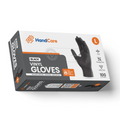
Vinyl gloves are made from PVC, not natural rubber, so they're latex-free and very rarely cause reactions. They're the most affordable latex-free option — ideal for high-volume, low-risk tasks. The trade-off: vinyl is a little porous, so it offers limited chemical protection and is more prone to tearing than nitrile. Great for the right jobs, not for harsh ones.
💲
Most affordable
The budget latex-free choice — easy on high-volume operations
🚫
Latex-free PVC
No latex proteins — vinyl allergies are rare and uncommon
🍽️
Great for food prep
Ideal for light-duty food handling and low-risk tasks
🤧
Powder-free
No powder residue to irritate sensitive skin
Where to use these
🍽️
Food prep and food service where chemical exposure is minimal
High-turnover settings where cost per glove matters most
Pro tip: Vinyl isn't built for chemicals or heavy-duty work — if your tasks involve solvents, sharp edges, or prolonged wear, spend a little more on nitrile (picks #1–#3 above). Use vinyl where its low cost is the priority.
Bottom line: for most people with a latex allergy, nitrile is the best balance of safety, performance, and cost. Choose vinyl only for light-duty tasks where price is the priority. See the full nitrile vs. latex comparison →
The guide
What is a latex allergy?
A latex allergy is an immune response to the proteins in natural rubber latex, which comes from the rubber tree. When someone with the allergy touches latex, the immune system treats those proteins as a threat and fights back, producing antibodies that stick around. The next exposure triggers an even stronger response — a snowballing effect called sensitization.
In practical terms: if you wear gloves all day and change them frequently, that repeated exposure can turn a mild reaction into a serious one over time. That's why it's worth switching to a latex-free option at the first sign of irritation.
Common latex allergy symptoms
Itching
Skin redness, rash, or hives
Allergic contact dermatitis
Sneezing
Runny nose
Cough
Throat swelling
Difficulty breathing
Important: Severe reactions can include anaphylaxis, which is life-threatening. Because reactions tend to worsen with repeated exposure, it's wise to avoid latex entirely if you notice even mild irritation after wearing latex gloves.
Can you be allergic to nitrile gloves?
Nitrile is widely considered the safest alternative for people with latex allergies, and true nitrile allergies are very rare — the material is synthetic and has none of the proteins responsible for latex reactions.
When people do react to nitrile, it's usually not the nitrile itself but the chemical accelerators used during manufacturing to improve durability and flexibility. These can cause allergic or irritant contact dermatitis in sensitive people — redness, itching, or a rash where the glove touches the skin. The fix is simple: switch to accelerator-free, powder-free nitrile gloves (pick #3 above) or another hypoallergenic option.
A note on powdered gloves
All disposable gloves can come in powdered versions — a holdover from early latex gloves meant to make them easier to put on. That powder can cause irritant contact dermatitis in people with sensitive skin. If you're switching materials to avoid reactions, always choose powder-free. Every pick on this page is powder-free.
Why nitrile is the best choice for latex allergies
As an affordable, latex-free disposable glove that protects well across a huge range of settings, nitrile is the clear top choice for most people with a latex allergy. Here's where it meets or beats latex:
💪
Durability
Naturally elastic and just as resistant to rips, tears, and punctures as latex
🛡️
Chemical resistance
More resistant than natural rubber to many hazardous, corrosive chemicals
🎯
Touch sensitivity
Performs well at thinner mils, preserving the dexterity latex is known for
🚫
Low sensitization risk
No latex proteins means no risk of developing a latex allergy over time
And on cost: thanks to their popularity, nitrile gloves now run about the same price as latex — sometimes cheaper, depending on thickness and manufacturer.
How to protect yourself from a latex allergy
Whether you already have a latex allergy or want to avoid developing one, these steps lower your risk:
Avoid latex productsNot just gloves — also balloons, rubber bands, condoms, and certain medical devices. Look for items labeled latex-free.
Use alternative materialsChoose nitrile, vinyl, or neoprene. None contain latex, and all are safe for latex-allergic users.
Inform healthcare providersTell your doctors, dentists, and other providers so they use latex-free gloves and equipment during your care.
Read labels carefullyCheck household items, cosmetics, and products for latex content — many are now labeled.
Carry emergency medicationIf your allergy is severe, keep an epinephrine auto-injector (EpiPen) on hand in case of accidental exposure.
Create a safe environmentAsk employers or household members to switch to latex-free alternatives to minimize your exposure.
If you're managing an existing reaction, identify the trigger (latex proteins vs. chemical additives), switch to hypoallergenic gloves, treat mild symptoms with antihistamines or hydrocortisone, and seek prompt care for severe reactions. For a long-term plan, consult a dermatologist or allergist — patch testing can pinpoint exactly what's causing the problem.
Buy direct and skip the reseller markups.
Decades of manufacturer relationships = wholesale prices on latex-free gloves.
Nitrile gloves are the best choice for most people with a latex allergy. They're made from synthetic rubber and contain none of the natural proteins that trigger latex reactions, while delivering excellent durability, chemical resistance, and touch sensitivity. Vinyl is a budget-friendly latex-free alternative for lighter, low-risk tasks.
True nitrile allergies are very rare since nitrile is synthetic and has no latex proteins. When people do react, it's usually to chemical accelerators used in manufacturing, which can cause contact dermatitis. Switching to accelerator-free, powder-free nitrile gloves resolves it for most people.
Both are latex-free and safe. Nitrile is the stronger all-round choice — better chemical resistance, puncture resistance, and fit. Vinyl is more affordable and good for light-duty, low-risk tasks like food prep, but offers limited chemical protection and tears more easily.
Yes. Glove powder can cause irritant contact dermatitis in people with sensitive skin. If you're switching to nitrile or vinyl to avoid reactions, always choose powder-free — every pick on this page is powder-free.
Yes — under IRS Announcement 2021-7, disposable nitrile gloves qualify as a medical expense with no letter of medical necessity required. Pay with your FSA/HSA card at checkout, or submit the itemized receipt included with every order for reimbursement.
Find your latex-free pair today
Decades of experience, wholesale pricing, and a full latex-free range. Order online or get a custom bulk quote within 4 hours — no minimums, no obligation.
✓ 100% latex-free ✓ Powder-free ✓ Up to 50% off bulk ✓ FSA/HSA accepted
This guide is for general informational purposes only and is not medical advice. If you suspect a latex or glove allergy, consult a qualified healthcare professional, dermatologist, or allergist for diagnosis and personalized recommendations. In the event of a severe allergic reaction, seek emergency care immediately.