
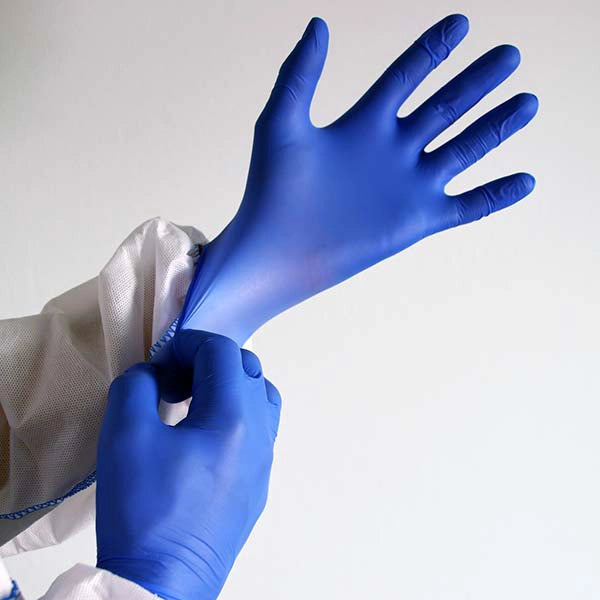
Phlebotomy Gloves
Phlebotomy Gloves Best Options
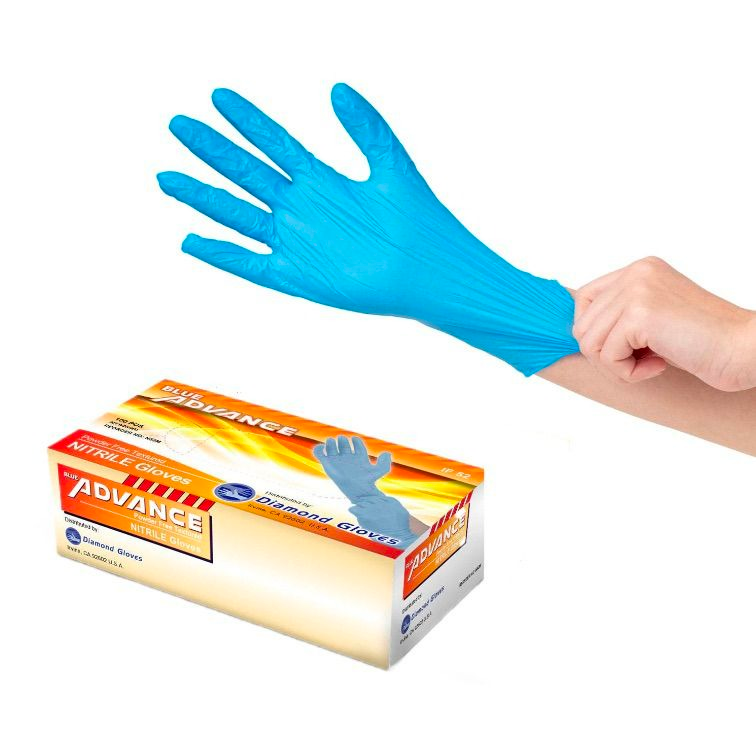

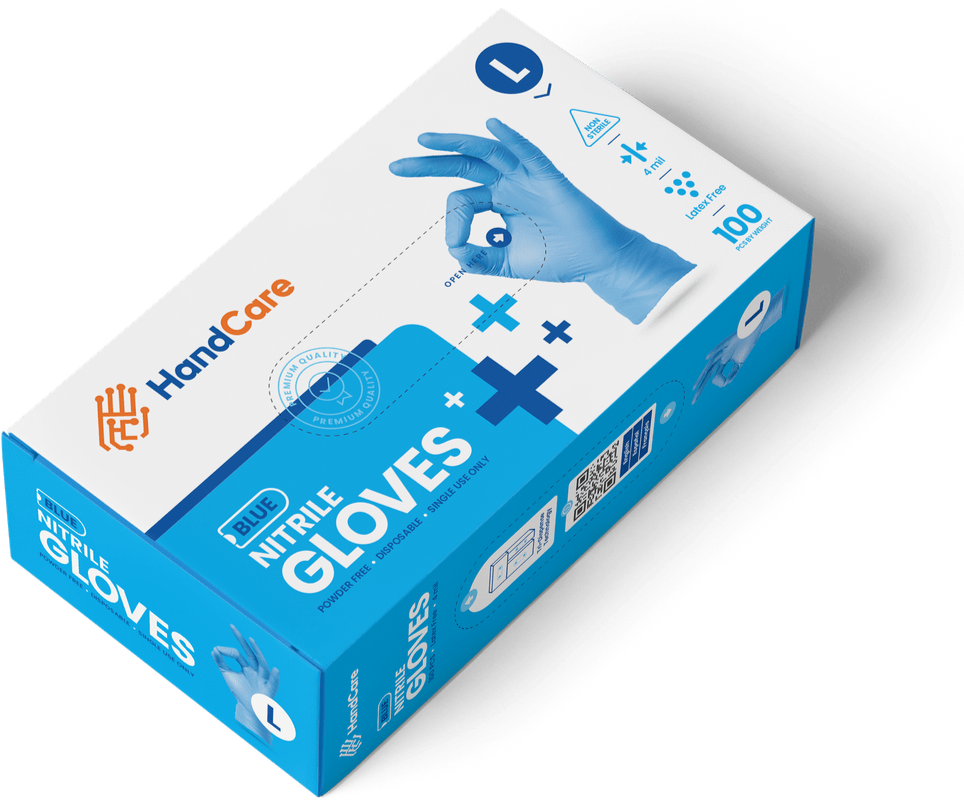
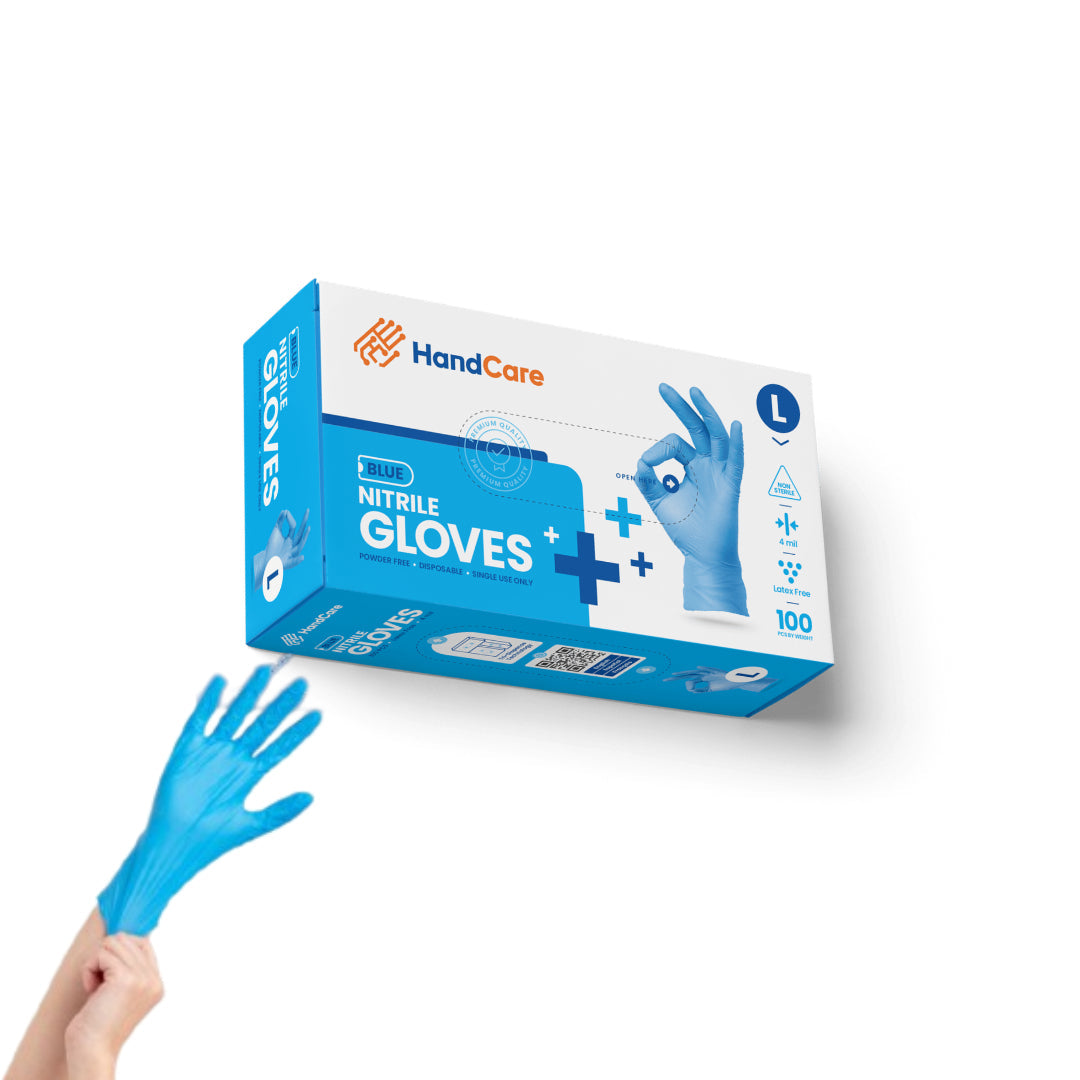
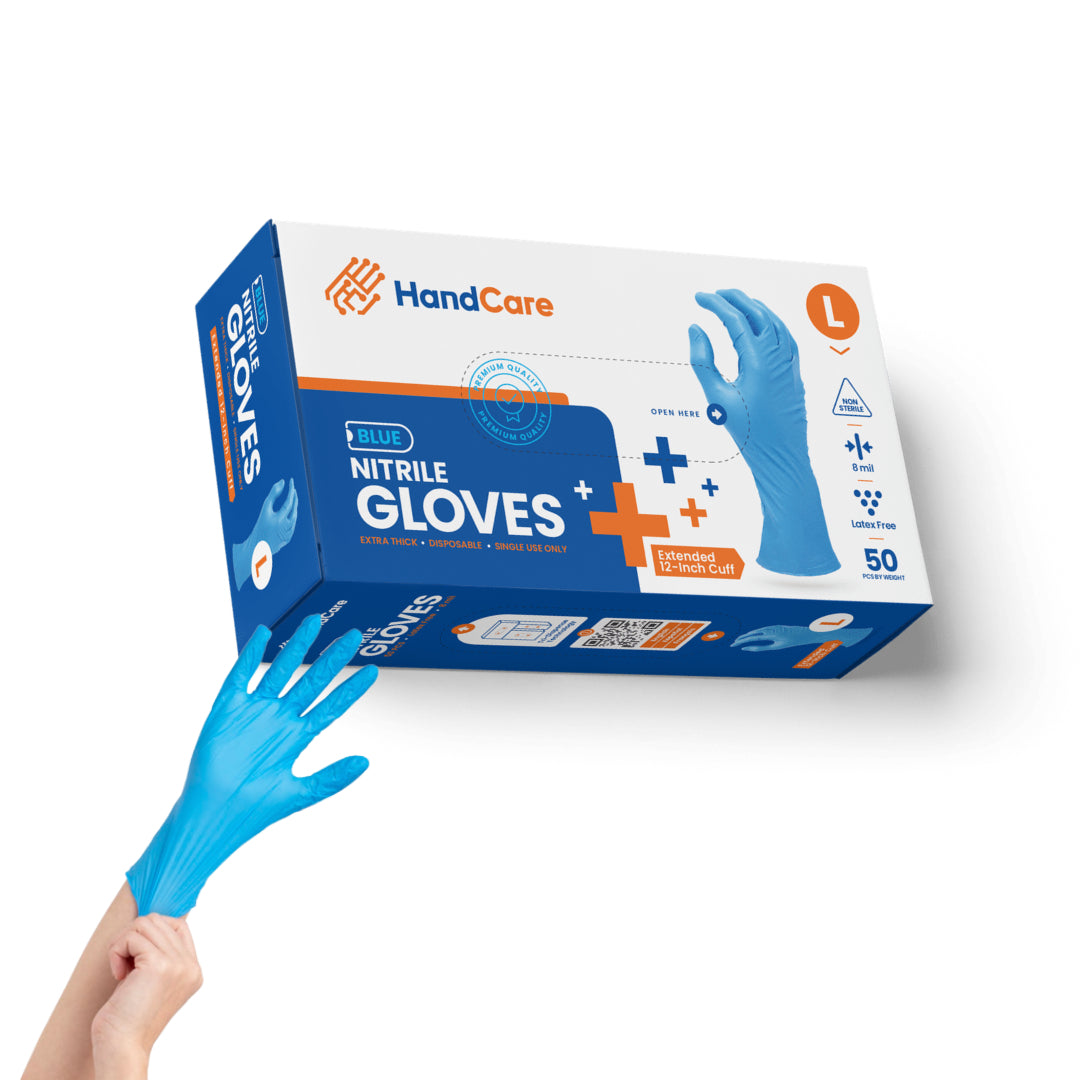

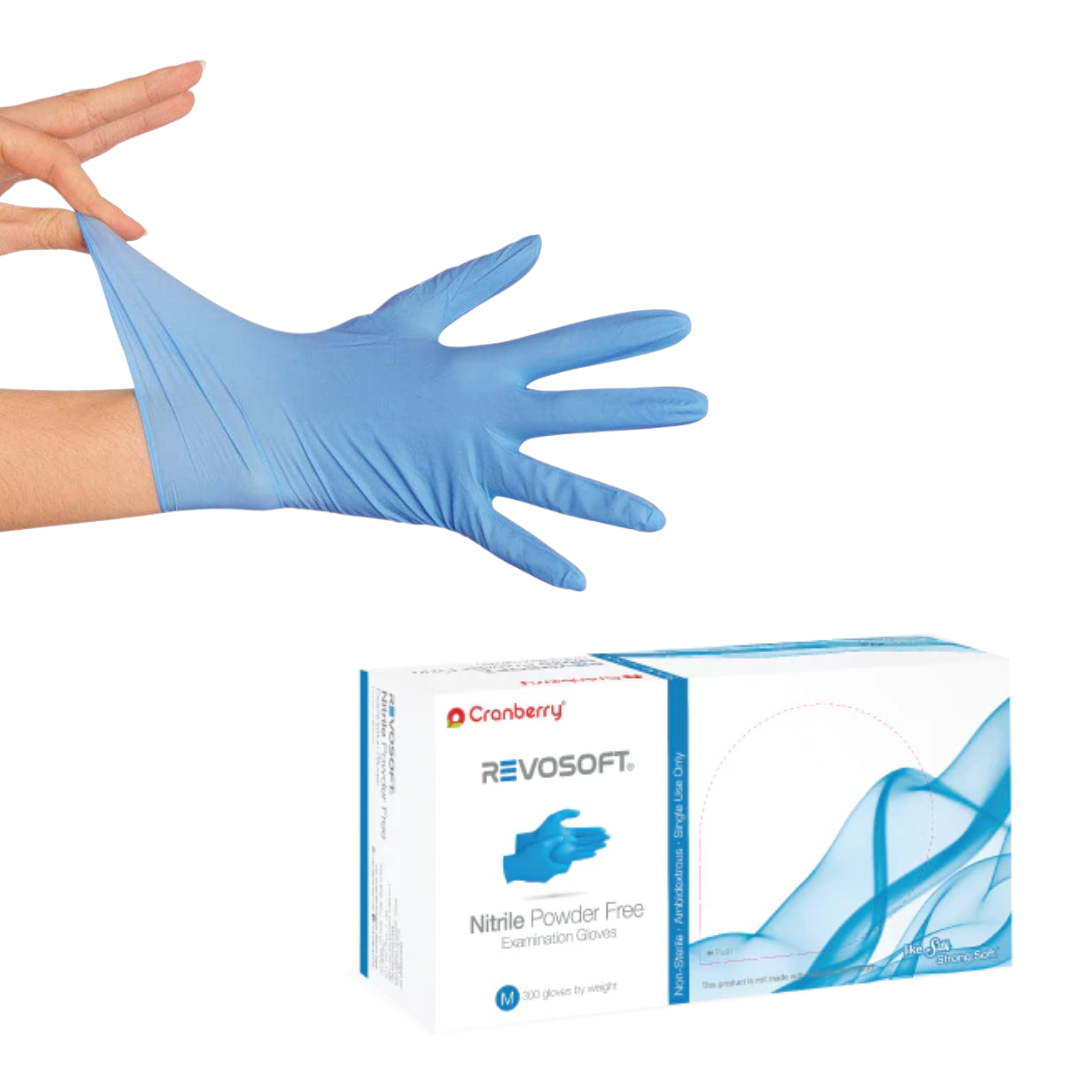

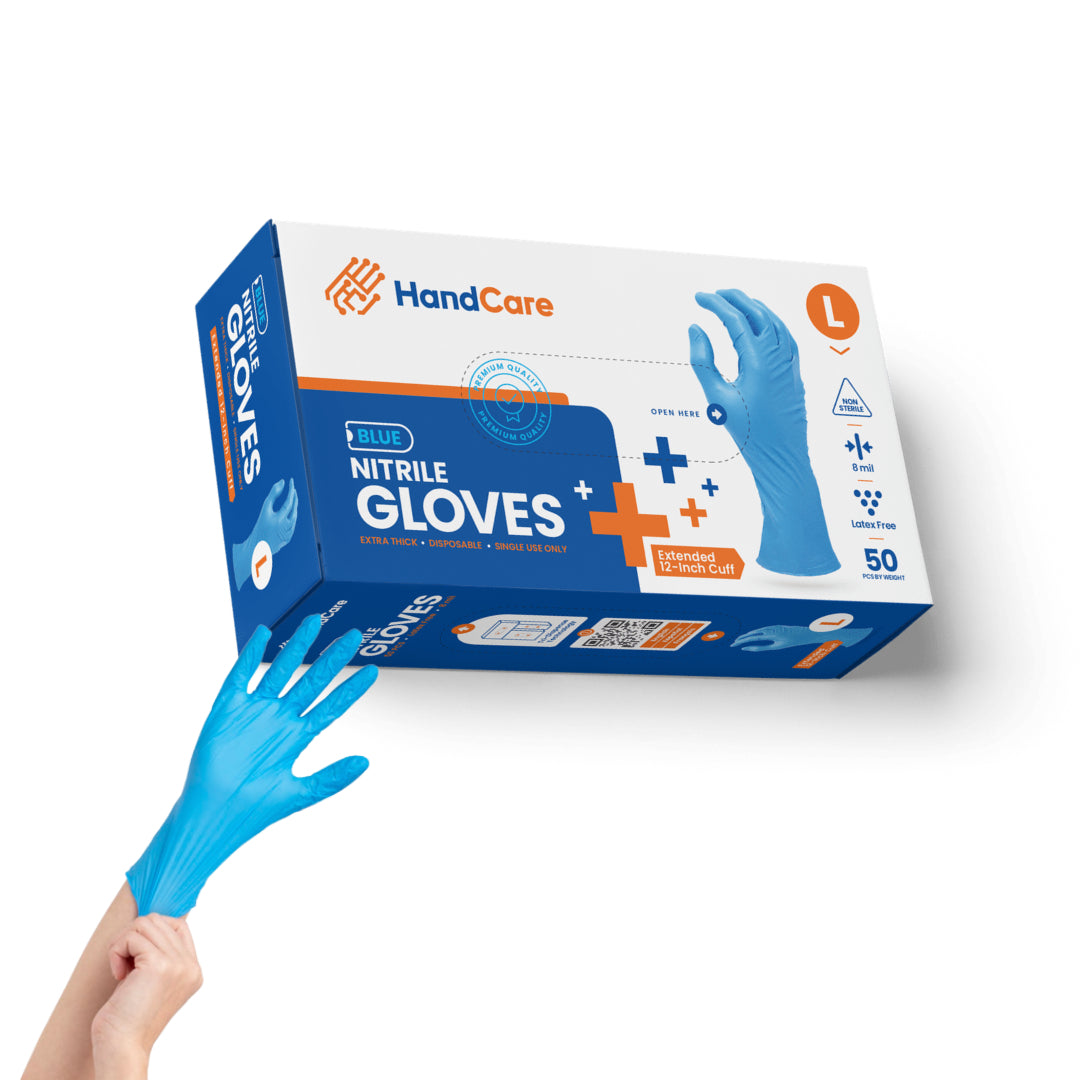
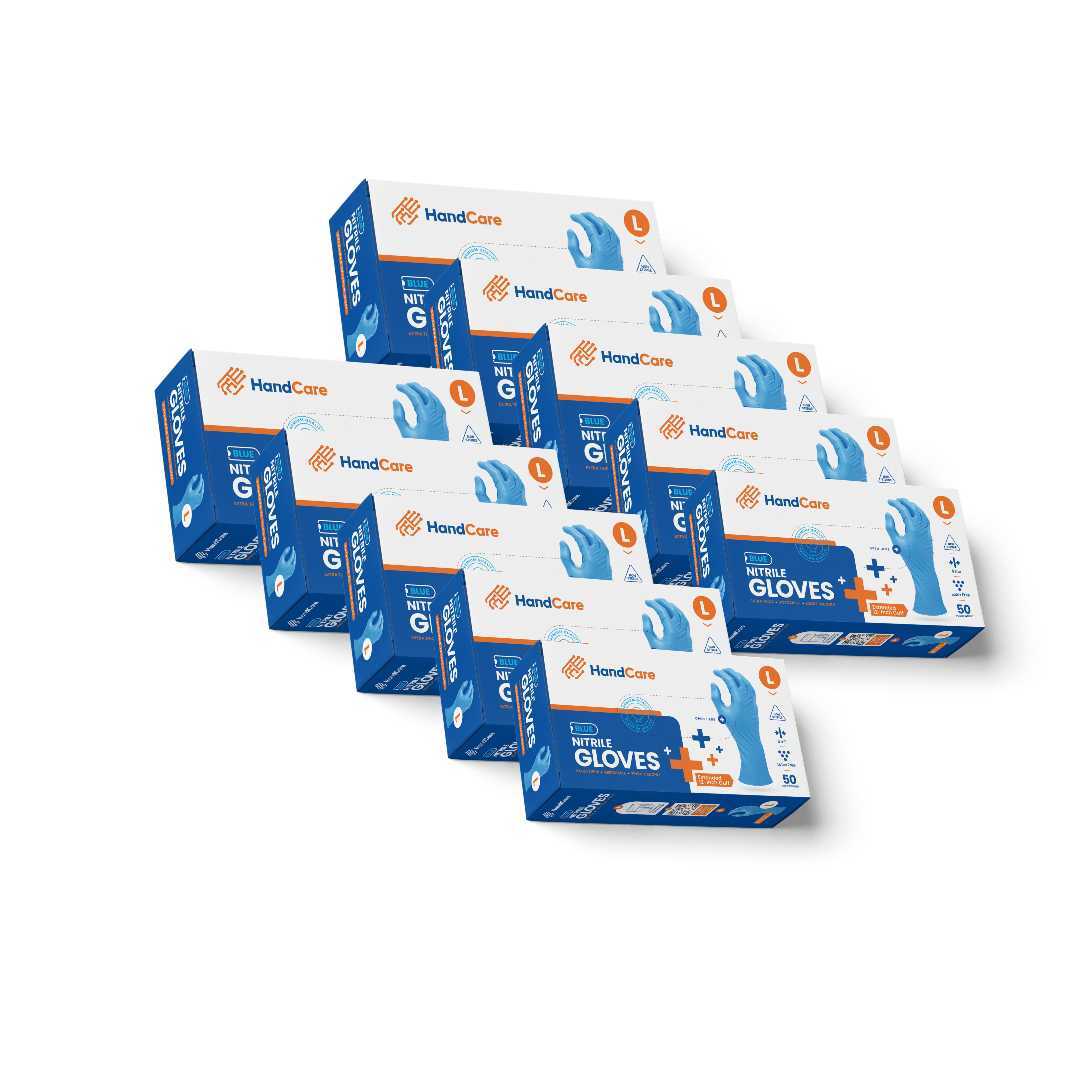
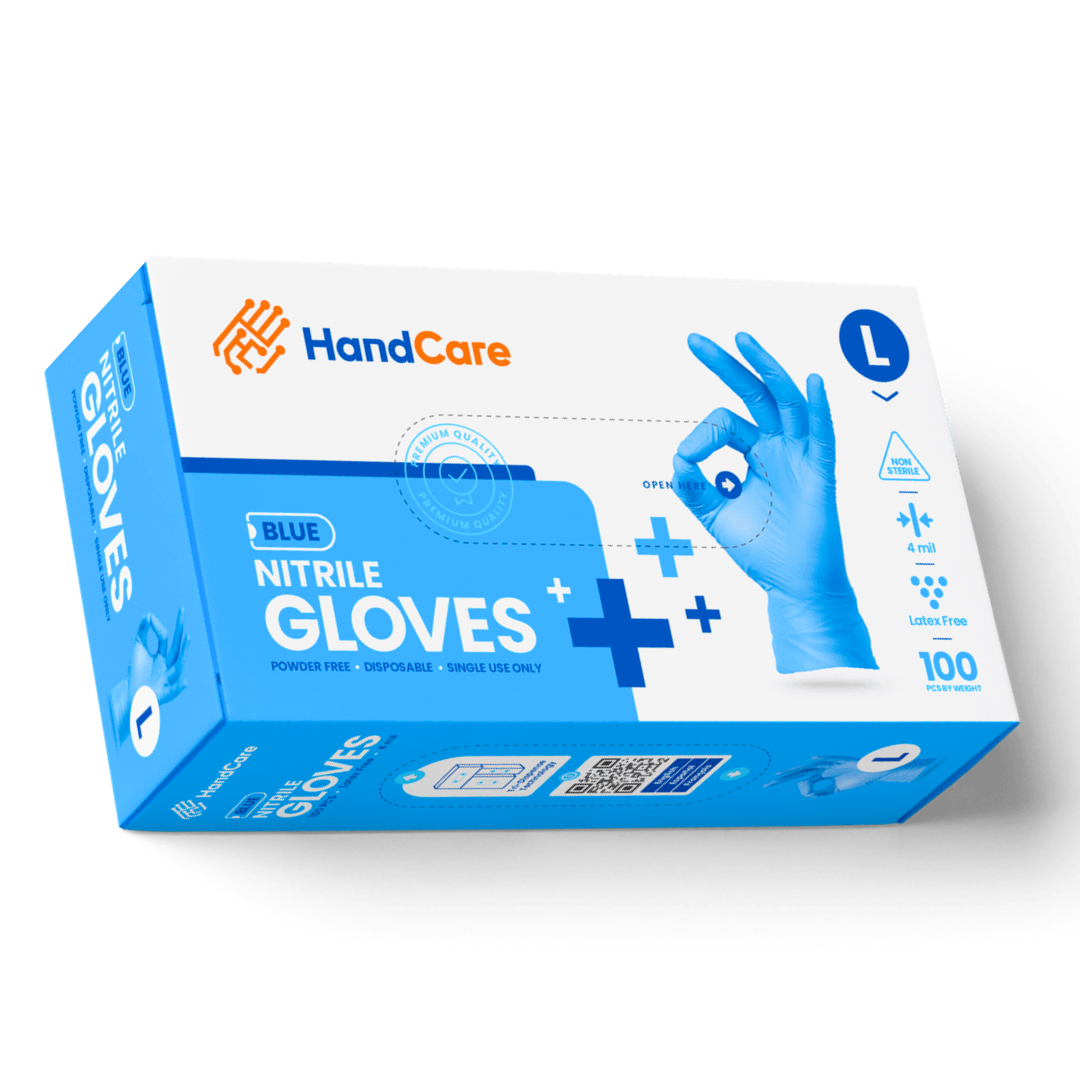

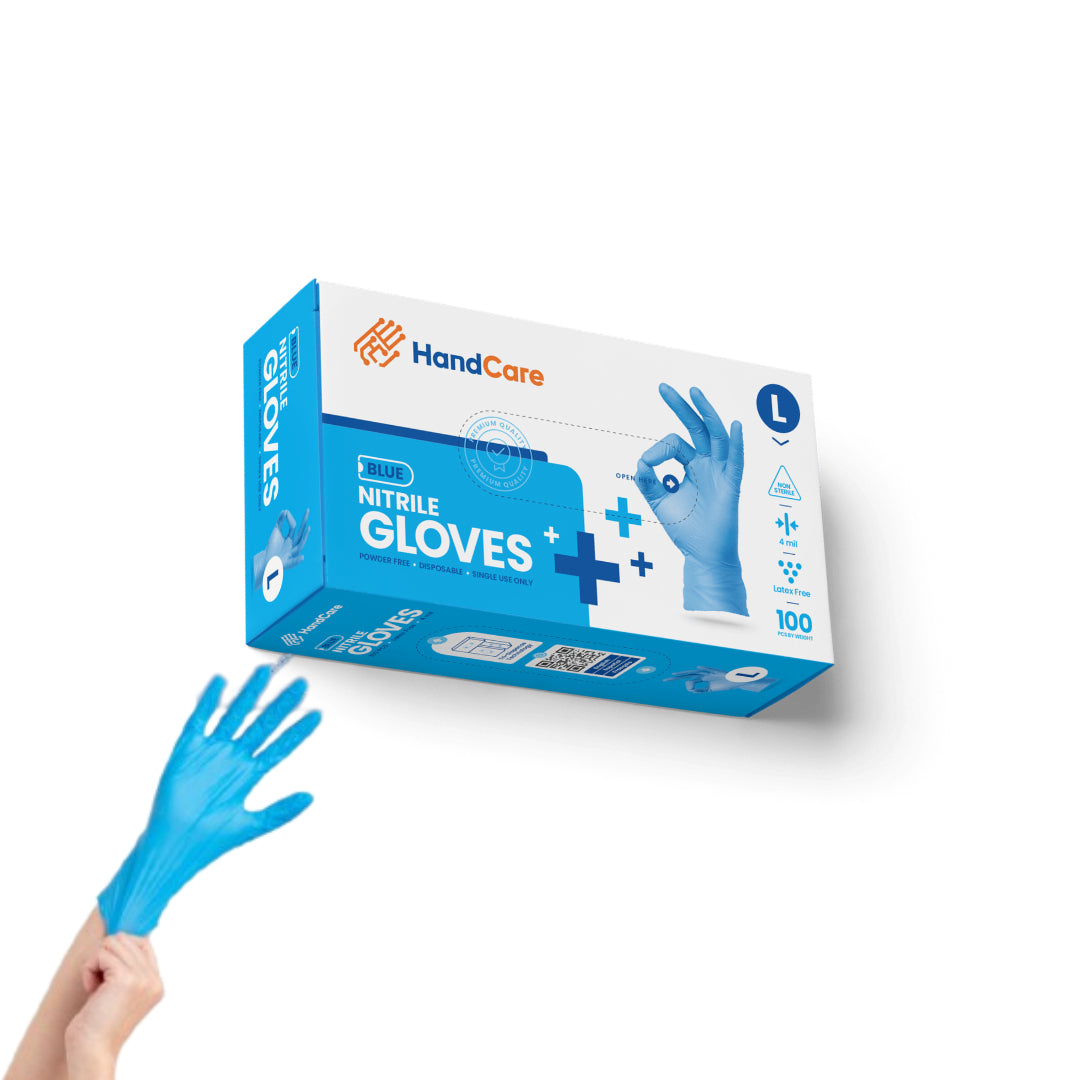


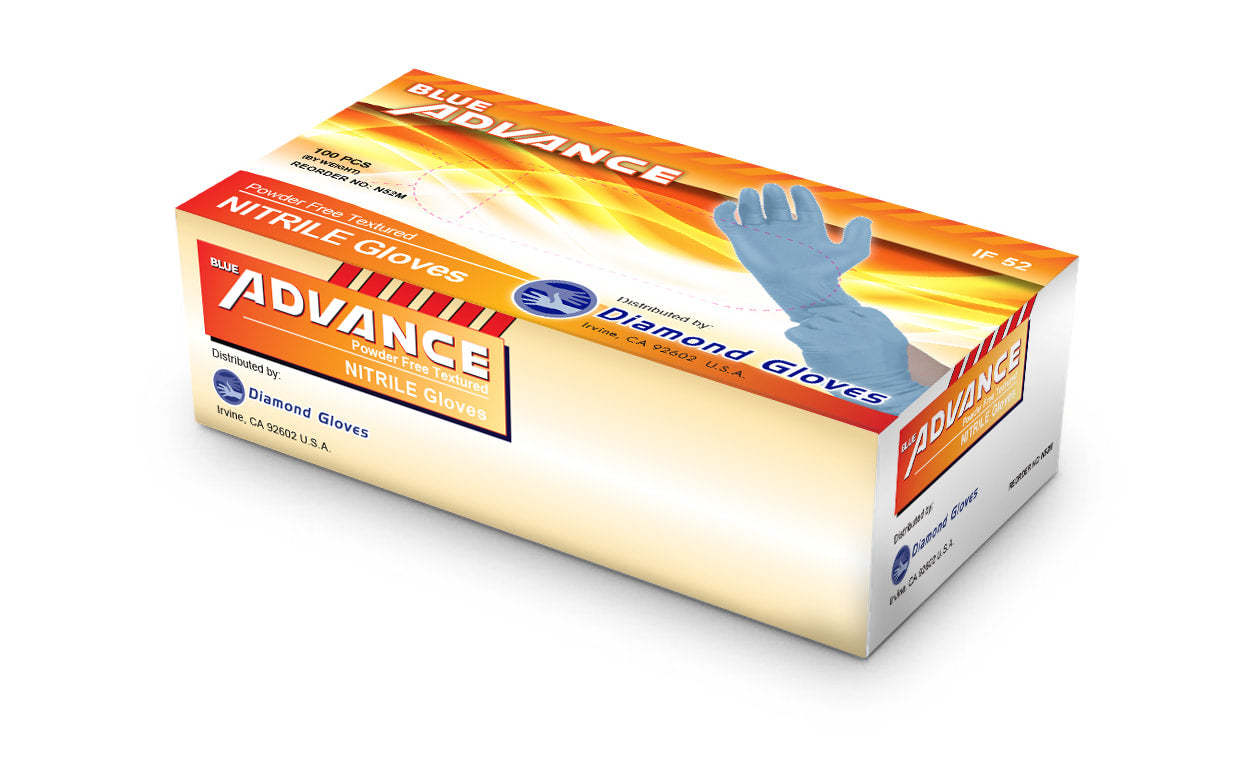
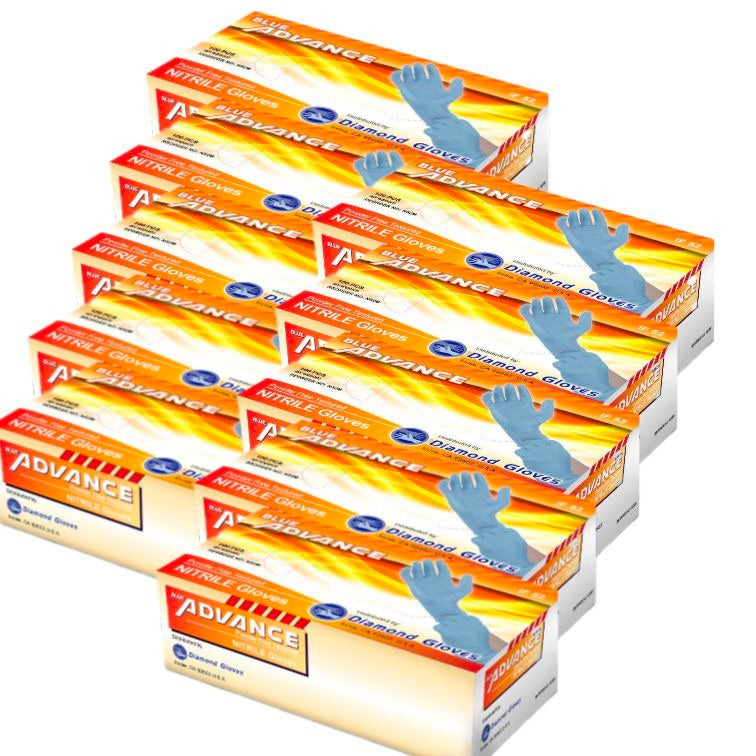
After trying many different type of gloves from amazon, finally found ones with good fit and quality. Would recommend!
Good size, not too tight, not too loose. Strong material, don’t rip like others I’ve used. Recommend
These gloves are thicker and well made. They fit snug, which I like. Met my expectations and would recommend.
What Are Gloves for Phlebotomy?
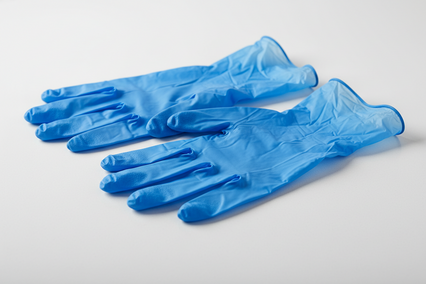
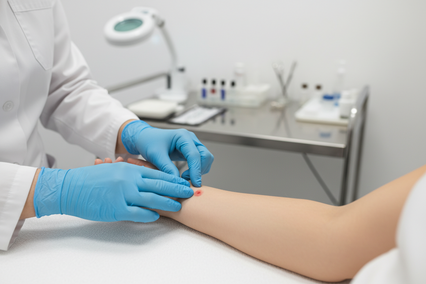
Gloves for phlebotomy are single-use medical exam gloves worn by phlebotomists and clinical staff during blood collection procedures, including venipuncture and fingerstick draws. They serve as the primary barrier between the clinician and the patient's blood, protecting against exposure to bloodborne pathogens such as HIV, hepatitis B, and hepatitis C, all of which are regulated under OSHA's Bloodborne Pathogens Standard (29 CFR 1910.1030).
Phlebotomy gloves are a subset of medical examination gloves, but they carry specific performance requirements: they must allow enough tactile sensitivity to locate and access a vein accurately, while providing a reliable barrier against needle-stick exposure and blood contact.
The most commonly used types are nitrile gloves and latex exam gloves, both available in powder-free formulations to reduce contamination risk.
Benefits of Wearing Gloves During Phlebotomy
Beyond regulatory compliance, wearing the right phlebotomy gloves directly impacts procedure quality, staff safety, and patient outcomes.
- Bloodborne pathogen protection: Gloves reduce the risk of mucous membrane and skin exposure to HIV, HBV, and HCV, the three primary bloodborne hazards in phlebotomy settings.
- Tactile precision for venipuncture: Thin-gauge nitrile and latex gloves preserve the fingertip sensitivity needed to locate veins, assess vessel condition, and guide needle insertion accurately.
- Specimen integrity: Powder-free phlebotomy gloves prevent talc contamination that can compromise lab test results, critical for accurate patient diagnostics.
- OSHA & CLSI compliance: Wearing gloves during every blood draw keeps your facility compliant with OSHA's Bloodborne Pathogens Standard and CLSI phlebotomy guidelines, reducing liability exposure.
- Latex-free options for allergy safety: Nitrile phlebotomy gloves eliminate the risk of Type I latex reactions in both staff and patients, essential in facilities with documented latex sensitivities.
- Comfort for high-volume wear: Low-dermatitis nitrile formulations reduce skin breakdown for phlebotomists performing 50+ draws per shift, improving staff retention and procedure consistency.
What Are the Best Gloves for Phlebotomy?
The best choice of gloves for phlebotomy depends on your facility's allergy policy, draw volume, and staff preference. Here's how the main options compare:
| Feature | Nitrile | Latex | Vinyl |
|---|---|---|---|
| Latex-free | ✅ Yes | ❌ No | ✅ Yes |
| Puncture resistance | ✅ High | ✅ High | ⚠️ Low |
| Chemical resistance | ✅ High | ✅ Moderate | ⚠️ Low |
| Tactile sensitivity | ✅ Good | ✅ Superior | ⚠️ Poor |
| Elasticity & fit | ✅ Good | ✅ Excellent | ⚠️ Loose |
| Powder-free option | ✅ Yes | ✅ Yes | ✅ Yes |
| Allergy risk | ✅ None | ⚠️ Some patients | ✅ None |
| ASTM standard | D6319 | D3578 | D5250 |
| Best for high-volume draws | ✅ Yes | ✅ Yes | ❌ No |
| Recommended for phlebotomy | ✅ Yes | ✅ Yes | ❌ No |
| Cost | $$ | $$ | $ |
Where to Buy Phlebotomy Gloves
Gloves.com stocks the full range of phlebotomy gloves used in hospitals, outpatient labs, blood banks, and mobile draw units across the United States. Order by the box or by the case — with bulk pricing available for high-volume facilities. All orders ship in 1–3 business days, and our subscription program ensures your draw stations are never caught without stock.
Filter by material (nitrile or latex), color, thickness (3 mil, 4 mil, 6 mil), and size (XS to XXL) to find the exact phlebotomy glove that matches your team's workflow. All products are FDA-cleared and ready for immediate clinical use.
Phlebotomy Gloves: Frequently Asked Questions
Are gloves required during phlebotomy procedures?
Yes, gloves are legally required during all phlebotomy procedures under OSHA's Bloodborne Pathogens Standard (29 CFR 1910.1030). This regulation mandates that employers provide appropriate personal protective equipment, including gloves, whenever employees may be exposed to blood or other potentially infectious materials. Failure to enforce glove use during blood draws can result in OSHA citations and facility penalties.
What are the best gloves for phlebotomy?
The best choice of gloves for phlebotomy is powder-free nitrile exam gloves. Nitrile offers the ideal combination of tactile sensitivity for venipuncture, puncture resistance, chemical durability, and latex-free composition — making them safe for patients and staff with latex sensitivities. For phlebotomists who perform difficult draws and prioritize feel above all, thin latex exam gloves remain a strong alternative where latex allergies are not a concern.
What type of examination glove is used in phlebotomy?
The standard examination glove used in phlebotomy is a single-use, powder-free nitrile or latex glove that meets ASTM standards for medical exam gloves (ASTM D6319 for nitrile, ASTM D3578 for latex). These gloves are distinct from surgical gloves — they are not sterile by default, as phlebotomy is a clean (not sterile) procedure. Glove thickness typically ranges from 3 to 5 mil for phlebotomy applications.
Why should gloves be worn during phlebotomy?
Gloves should be worn during phlebotomy to protect both the phlebotomist and the patient from bloodborne pathogen transmission. Blood is classified as a potentially infectious material under OSHA regulations, meaning any skin contact during a draw — even microscopic cuts or abrasions — can create an exposure risk for HIV, hepatitis B, and hepatitis C. Gloves also protect specimen integrity by preventing skin oils and contaminants from reaching the collection site.
What gloves are used in phlebotomy — nitrile or latex?
Both nitrile and latex gloves are used in phlebotomy, but nitrile has become the dominant choice in modern clinical settings. Nitrile is latex-free, eliminating allergy risk for both staff and patients, and offers excellent puncture and chemical resistance. Latex gloves are still used where superior tactile sensitivity is required, but many facilities have moved to a latex-free policy due to the increasing prevalence of Type I latex hypersensitivity.
Can you use vinyl gloves for phlebotomy?
Vinyl gloves are generally not recommended for phlebotomy procedures. While they are latex-free and inexpensive, vinyl gloves offer significantly lower barrier protection than nitrile or latex, are more prone to tearing under stress, and provide poor tactile sensitivity — all critical limitations for blood draw procedures. OSHA and CLSI guidelines both recommend exam-grade nitrile or latex gloves for phlebotomy over vinyl.
Keep up-to-date with our guides and find the best glove options for your industry
Guides to help you choose
Why disposable gloves split at the thumb, and what to buy instead
What to use instead of latex exam gloves when your hands react