
![Best Glove Colors for Food Safety Compliance [2026 Guide]](http://www.gloves.com/cdn/shop/articles/some-nitrile-gloves-with-different-colors-for-a-chef-to-choose.png?v=1773146326&width=1500)
Imagine a prep cook working with raw chicken, then switching to salad assembly — both times wearing the same white gloves. The contamination risk is invisible. That's the real problem with ignoring glove color in food service. Choosing the best glove for food isn't just about fit or thickness — the color you choose can be the difference between a clean health inspection and a serious food safety incident.
This guide is for food service operators, restaurant owners, catering managers, food manufacturers, and compliance-minded buyers who want to standardize their glove program around both safety and color-coding best practices. By the end, you'll know exactly which glove colors map to which tasks, what the FDA recommends, and which materials give you the most compliance and value for the money.
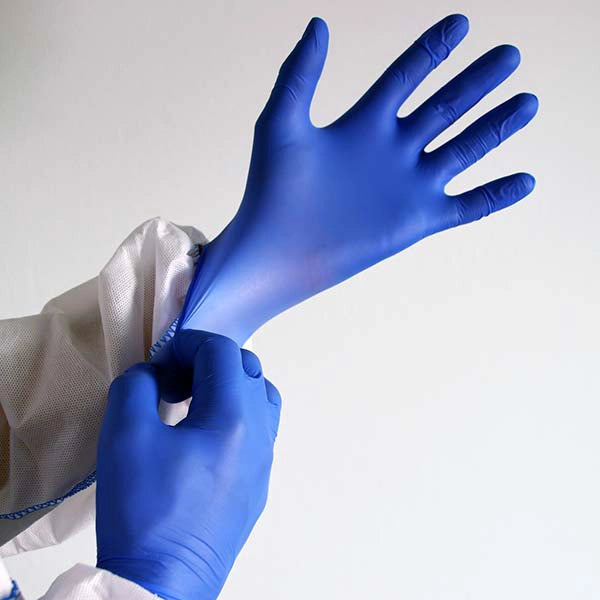
Blue nitrile gloves are the most widely recommended color for food safety. Blue is easy to spot if a piece of a torn glove contaminates food, it's not a naturally occurring food color, and blue nitrile is latex-free, durable, and food-safe. Many operations layer a second color (e.g., purple or yellow) for allergen or cross-contamination control.
Shop Blue Nitrile Gloves and save up to 50% today
Why Glove Color Matters for Food Safety
Glove color isn't just aesthetic. In professional food service, color is a contamination control system. Standardized color-coding helps staff identify which gloves are assigned to which tasks — preventing cross-contamination between raw proteins, ready-to-eat foods, cleaning duties, and allergen-sensitive prep.
There's also a practical detection benefit: a fragment of a torn glove blends in against a pale cutting board if your gloves are white. A piece of blue or purple nitrile? You'll see it immediately. That visibility is a genuine food safety advantage.
Core Reasons Food Service Operations Use Color-Coded Gloves
- Visual contamination detection — torn glove pieces are easier to spot against food
- Task separation — different colors signal different prep areas or food types
- Allergen management — a dedicated glove color for allergen handling reduces cross-contact risk
- Staff compliance — color-coding creates visible accountability at a glance
- Audit readiness — health inspectors and third-party auditors look for documented color protocols
What the FDA Says About Gloves for Food Safety
The FDA Food Code does not mandate a specific glove color. However, it does require that gloves used in food handling be single-use, food-grade, and changed between tasks involving raw and ready-to-eat foods. The FDA's Food Safety Modernization Act (FSMA) further reinforces the need for documented contamination prevention protocols — which is where color-coded glove systems fit in.
What the FDA does require is that gloves be made from safe materials that don't migrate contaminants into food. That's why food-grade nitrile, vinyl, and latex gloves from reputable suppliers are the standard — and why material matters just as much as color.
The Most Common Glove Colors for Food Service — And What Each One Signals
Here's a breakdown of each color commonly used in food service, what they're typically assigned to, and when each makes the most sense for your operation.
Blue Nitrile Gloves — The Gold Standard for Food Safety
Blue is the most recommended color across food safety frameworks and HACCP programs worldwide. The reason is simple: blue does not occur naturally in most foods, which means a piece of a torn blue glove is immediately visible in food products. This makes contamination detection fast and reliable.
Blue nitrile gloves are also the most versatile — they're latex-free (critical in food environments where latex allergies among staff and customers are a concern), resistant to puncture, and available in a range of thicknesses from light 3-mil gloves for quick tasks up to 6-mil gloves or 8-mil options for heavy-prep environments.
For most food service operations, blue nitrile gloves are the correct default choice — they hit every major requirement: food-grade material, visible color, latex-free, and cost-effective at bulk quantities.
Black Gloves — For Non-Food and Cleaning Tasks
Black gloves serve an important purpose in food service — but not for food handling. Their primary role is visual separation: black gloves signal immediately that the wearer is not handling food. They're ideal for cleaning stations, equipment maintenance, trash handling, and janitorial work within a kitchen or facility.
Using black gloves exclusively for non-food tasks creates a clear visual boundary that reduces the risk of a staff member walking from a cleaning task directly to food prep. That visual cue matters at 6am during a busy prep shift.
White and Clear Gloves — Familiar, But Riskier
White vinyl and clear polyethylene gloves are the legacy standard — they've been used in food service for decades. They're low-cost and widely available. The problem is that white and clear gloves have the worst contamination detection profile: a torn piece blends almost completely into pale-colored foods, doughs, sauces, and dairy products.
Purple Gloves — The Allergen Management Choice
Purple nitrile gloves have become the recognized color for allergen-controlled zones in commercial food manufacturing and multi-allergen kitchens. In operations that handle tree nuts, peanuts, gluten, or shellfish, designating a single, distinctive color (purple is rarely used elsewhere in the kitchen) helps staff and supervisors maintain a visible allergen barrier.
If your facility follows a documented allergen management program — required by FSSC 22000 and BRCGS standards — purple gloves are a practical, low-cost way to enforce and verify protocols visually.
Yellow and Green Gloves — Task-Specific Signaling
Yellow and orange gloves are often used for raw protein handling (raw meat, poultry, fish) because the bold color creates an immediate visual cue: this person is working with high-risk ingredients. Green gloves are used by some operations for produce and vegetable prep, playing on the intuitive association between green and fresh vegetables.
These colors are more common in large-scale food manufacturing and processing facilities than in restaurant kitchens, where keeping the color system simple (typically 2–3 colors) is more practical.
Glove Color Comparison: Best Uses at a Glance
| Color | Material | Best For | Contamination Visibility | FDA / HACCP Fit |
|---|---|---|---|---|
| 🔵 Blue | Nitrile | General food prep, RTE foods, default choice | Excellent | Strong fit |
| 🟣 Purple | Nitrile | Allergen-controlled zones, certified kitchens | Excellent | Ideal for allergen mgmt |
| ⚫ Black | Nitrile | Cleaning, janitorial, non-food tasks | Good (non-food use) | Separation tool |
| 🟡 Yellow | Nitrile / Latex | Raw meat, poultry, high-risk protein prep | Good | Task-specific |
| 🟢 Green | Nitrile | Produce, vegetable prep, salads | Moderate | Task-specific |
| ⚪ White | Vinyl / Latex | Light-duty food handling, quick-service | Poor | Use with caution |
| ◽ Clear | Poly / Vinyl | Very short tasks, deli counter, quick-use | Very poor | Not for high-risk areas |
Best Glove Material for Food Service: Nitrile vs. Latex vs. Vinyl
Color is one half of the decision. Material is the other. The best glove for food isn't just any glove in the right color — it needs to hold up to the physical demands of food prep and meet food-contact safety requirements.
Nitrile Gloves — Best Overall for Food Safety
Nitrile is the top choice for food service operations. It's latex-free (eliminating allergy risk for staff and customers), more resistant to punctures and tears than vinyl, and available in food-grade formulations. Nitrile gloves come in blue, black, purple, and other colors that support color-coding programs. They're the right choice for high-volume, demanding food prep environments.
Explore the full range of food-grade nitrile gloves available in bulk for food service operations.
Latex Gloves — Dexterous, But Allergy Risk
Latex gloves offer excellent tactile sensitivity and elasticity, which some cooks prefer. The problem in food service: latex allergies affect approximately 1–6% of the general population, and a customer's latex allergy can become a serious liability. Many food service operations have moved away from latex entirely for this reason.
Vinyl Gloves — Budget Option for Low-Risk Tasks
Vinyl gloves are lower cost and suitable for short-duration, low-risk tasks — think cashier checkout, deli counter service, or light food assembly. They're less durable than nitrile, offer less barrier protection, and tend to come in white or clear, which reduces their utility in color-coded contamination control programs.
How to Choose the Right Color Gloves for Food Service Compliance
Choosing a glove color system for your operation doesn't require an overhaul — it requires a framework. Use the decision tool below to map colors to your specific tasks and risk levels.
Quick Decision Tool: Which Color for Which Task?
Glove Thickness for Food Safety Tasks
Thickness (measured in mils — thousandths of an inch) affects durability, tactile feel, and protection level. In food service, you generally want to balance dexterity with barrier integrity.
- 3 mil: Thin, highly sensitive — suitable for light-touch food prep, deli service, plating
- 4–5 mil: The food service sweet spot — protective enough for most prep tasks, with good dexterity
- 6 mil: Heavier-duty use — extended prep shifts, handling bones or sharp tools, cleaning tasks
- 8 mil+: Industrial food processing environments with chemical exposure or heavy mechanical stress
How to Build a Glove Color-Coding Program for Your Operation
A documented color-coding program takes about an afternoon to set up and can meaningfully reduce contamination risk while improving audit outcomes. Here's a practical framework:
- Audit your tasks. List every food-contact task in your operation and identify the contamination risks associated with each.
- Assign colors to task categories. Keep it simple: 2–3 colors maximum for most restaurant kitchens. Add more only for large manufacturing lines.
- Document the system. A one-page visual chart showing color → task assignment, posted at each workstation, is sufficient for most HACCP and audit requirements.
- Train your staff. A 5-minute training during onboarding and quarterly reminders is all it takes. Make the visual chart part of the kitchen's permanent SOPs.
- Stock consistently. Buying the same brands and colors in bulk reduces confusion and ensures the system stays intact when supplies run low.
- Review annually. As your menu, layout, or processes change, revisit the color assignments to ensure they still reflect actual contamination risks.
When to Change Gloves in a Food Service Setting
Gloves should be changed — regardless of color or condition — in any of the following situations:
- After handling raw meat, poultry, or seafood before touching any other food
- After touching your face, hair, or any body part
- After using the telephone, opening doors, or touching non-food surfaces
- After handling money or payment terminals
- After any interruption in a food prep task longer than a few minutes
- After handling cleaning chemicals or sanitizing surfaces
- When switching between food types with different allergen profiles
- Any time a glove is torn, punctured, or compromised
- Every 4 hours as a maximum, or per your HACCP plan's requirement
Frequently Asked Questions
What is the best glove color for food safety?
Blue nitrile gloves are the most widely recommended color for food safety. Blue is not a natural food color, making torn fragments immediately visible in most food products. Blue nitrile gloves are also latex-free, food-grade, and durable enough for most food prep tasks. They're the default standard in HACCP programs and food manufacturing color-coding systems.
Are black gloves food safe?
Black nitrile gloves can be food-safe if they are certified food-grade, but in most food service color-coding programs, black is reserved for non-food tasks like cleaning, sanitation, and maintenance. Using black gloves for food prep is not best practice because their dark color makes it harder to spot certain types of contamination on the glove surface, and it breaks the visual cue that black = non-food use.
What color gloves are required for food handling by the FDA?
The FDA does not mandate a specific glove color for food handling. The FDA Food Code requires that gloves be food-grade, single-use, and changed between raw and ready-to-eat food tasks. Many state health departments and third-party food safety certification bodies (BRCGS, SQF, FSSC 22000) recommend or require documented color-coding protocols, but the specific color assignments are at the operator's discretion.
What's the difference between nitrile and vinyl gloves for food service?
Nitrile gloves are more durable, puncture-resistant, and latex-free — making them the preferred choice for most food service environments. Vinyl gloves are cheaper and suitable for very short-duration, low-risk tasks but offer less barrier protection and tear more easily. For any task involving extended food contact, raw proteins, or allergen management, nitrile is the better option.
How often should food service workers change their gloves?
Gloves should be changed every time there is a task change that creates cross-contamination risk — particularly between raw and ready-to-eat foods. At minimum, gloves should be replaced every 4 hours, after any interruption in work, after touching non-food surfaces, or whenever a glove is damaged. A color-coded glove system helps enforce change discipline by making task transitions visually obvious.
Can I use white gloves for food prep?
Yes, white gloves are technically food-safe if they are food-grade materials. However, white gloves have poor contamination visibility — a torn fragment blends into most light-colored foods and is nearly impossible to spot. For serious food safety programs, blue or purple gloves are strongly preferred. Reserve white or clear gloves for very low-risk tasks where visual detection is less critical.
The Bottom Line on Food Safety Glove Colors
Glove color is a practical, low-cost safety tool — not a formality. Blue nitrile remains the gold standard for general food handling because it combines visibility, latex-free chemistry, and durability in a single, widely available format. Add a second color for allergen control (purple), a third for cleaning tasks (black), and you have a complete, audit-ready color-coding program that costs almost nothing to implement.
The best glove for food isn't just the cheapest glove or the most familiar one — it's the glove that fits your contamination risks, your compliance requirements, and your team's daily workflow. Start with blue nitrile in bulk, build your color protocol from there, and review it whenever your operation changes.
Ready to set up or upgrade your food safety glove program? Explore the full range of food-grade nitrile gloves in multiple colors and thicknesses — available in bulk case quantities at competitive pricing. Not sure where to start? Browse all glove options by use case and find the right fit for your operation.
Ready to Build Your Glove Color System?
Shop food-grade nitrile gloves in blue, purple, black, and more — available in bulk cases for food service, manufacturing, and commercial kitchens.
![Color-Coded Gloves for Cleaning Companies [Complete Guide]](http://www.gloves.com/cdn/shop/articles/give-me-a-full-person-choosing.png?v=1773146944&width=426)
