
![Color-Coded Gloves for Cleaning Companies [Complete Guide]](http://www.gloves.com/cdn/shop/articles/give-me-a-full-person-choosing.png?v=1773146944&width=1500)
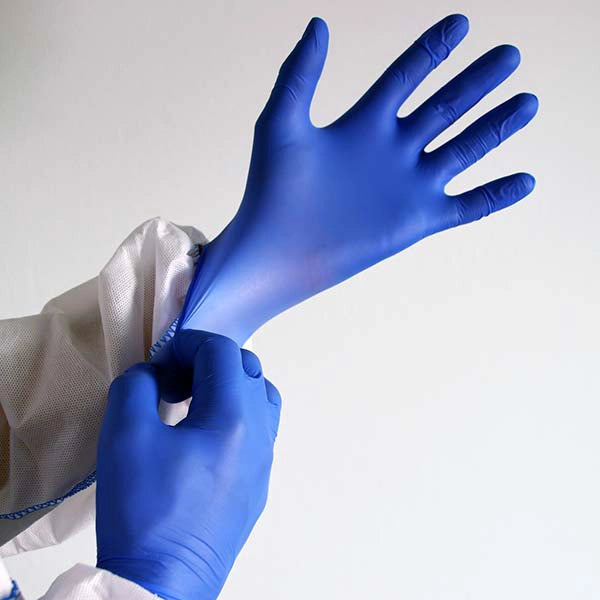
A color code gloves system solves this problem with a single, visible, low-cost protocol. Instead of relying on memory or verbal reminders, color-coded gloves make the right behavior automatic: your staff can tell at a glance whether a colleague is cleaning a bathroom or a food prep area, and they know exactly which gloves to reach for next.
This guide is for cleaning company owners, operations managers, facilities supervisors, and anyone building or standardizing a professional cleaning program. You'll learn the standard color codes used across the industry, which materials work best for each cleaning zone, how to document and train a system your team will actually follow, and how to buy the right gloves in bulk to keep it cost-efficient.
The standard color-coding system for professional cleaning assigns red to bathroom/toilet areas, yellow to general bathroom surfaces, blue to low-risk general cleaning and glass, and green to kitchen and food-contact surfaces. Each color is used exclusively in its designated zone and never transferred between areas. Most professional operations use nitrile gloves in each color for durability and chemical resistance.
Shop Blue Nitrile Gloves and save up to 50% today
Why Cleaning Companies Use Color-Coded Gloves
Color-coding is a visual management tool — part of a broader category called "mistake-proofing" or poka-yoke in quality management. The idea is simple: instead of training staff to remember which gloves go where, you build the correct behavior into the system. The color of the glove makes the right choice obvious and the wrong choice visible.
For cleaning operations specifically, the stakes are real. Bathrooms and toilets are high-risk contamination sources. Kitchens and food prep areas are contamination-sensitive zones. Using the same gloves in both areas — even with handwashing in between — creates a documented pathway for bacterial transfer.
In commercial environments like hospitals, schools, hotels, and food service facilities, this isn't just a hygiene concern — it's a liability.
The Business Case for a Glove Color-Coding System
- Reduces cross-contamination risk between high-risk and food-safe zones
- Supports compliance with HACCP, NHS cleaning standards, and commercial facility requirements
- Improves client confidence — color-coded systems signal a professional, systemized operation
- Reduces supervision burden — managers can visually verify correct behavior without asking
- Protects staff from inadvertent chemical cross-contamination between incompatible cleaning products
- Strengthens contract renewals — especially in healthcare, hospitality, and food-adjacent environments
The Standard Color Code for Cleaning Gloves
While there is no single globally mandated color standard, the most widely adopted system across professional cleaning — used by NHS-contracted cleaning services, commercial janitorial companies, and major hospitality groups — follows this four-to-six color model:
Red
Yellow
Blue
Green
Purple
Orange / White
Each Glove Color for Cleaning — Explained
Red Gloves — The Highest-Risk Zone
Red gloves are reserved for toilet and urinal cleaning — the highest contamination-risk task in any cleaning program. Red signals danger. It communicates immediately, without words, that these gloves have been in contact with the most hazardous surfaces in a facility. Red gloves should never leave the bathroom and should be stored in a clearly labeled, separate location from all other colors.
For red-zone work, a thicker nitrile glove (5–6 mil) provides better chemical resistance when working with strong disinfectants, bleach-based cleaners, and caustic bathroom chemicals. Disposable nitrile is preferred over reusable rubber for professional settings where cross-contamination risk must be eliminated between clients or rooms.
Yellow Gloves — General Bathroom Surfaces
Yellow is the second tier of bathroom cleaning — all surfaces except the toilet itself. Sinks, faucets, mirrors, bathroom walls, door handles, and light switches in restroom areas all fall under the yellow designation. This distinction matters: bathroom sink faucets carry significant microbial load but aren't classified in the same risk tier as direct toilet contact.
Using separate red and yellow gloves for the same bathroom is a refinement that larger operations, healthcare facilities, and hospitality clients will often require. For smaller operations or less stringent environments, some teams consolidate red and yellow into a single "bathroom" color (usually red) — but this reduces precision in your contamination control system.
Blue Gloves — General Cleaning and Low-Risk Surfaces
Blue is the workhorse color — used for all general cleaning tasks that don't involve bathrooms or food-contact surfaces. This includes offices, lobbies, hallways, elevator interiors, glass and windows, conference rooms, and other low-risk areas. Blue is also a smart default for any task that doesn't fall neatly into another zone.
Blue nitrile gloves in 3–4 mil thickness are typically adequate for these tasks — enough protection for general surface cleaning and light chemical contact without sacrificing dexterity. Browse bulk blue nitrile gloves in multiple thicknesses for general cleaning applications.
Green Gloves — Kitchen and Food-Safe Zones
Green signals food safety. In any facility that includes a kitchen, cafeteria, break room, catering area, or food prep space, green gloves are used exclusively in those zones. The logic runs in both directions: green gloves prevent cross-contamination into food areas (from bathroom or general cleaning residue), and they visually confirm to kitchen staff and facility managers that the cleaner is using zone-appropriate PPE.
This is especially important in healthcare, hospitality, school, and office cleaning contracts where kitchen cleanliness is a compliance and liability issue. Green nitrile gloves should be food-grade and stored separately from all other color stocks.
Purple Gloves — Clinical and Isolation Areas
Purple is used in healthcare, care homes, and specialist cleaning contexts for isolation rooms, clinical areas, or body fluid cleanup. This is a more specialized color that not every cleaning operation will need — but for companies with healthcare contracts, it's a critical addition to the system.
Purple creates a distinct visual signal for the highest-risk, most regulated cleaning environments.
Best Gloves for Cleaning: Nitrile vs. Latex vs. Vinyl
Color gets your system organized. Material determines how well your gloves actually perform under the demands of professional cleaning work. Here's how the three main disposable glove materials compare for cleaning applications.
| Material | Chemical Resistance | Puncture Resistance | Dexterity | Best For | Cleaning Fit |
|---|---|---|---|---|---|
|
|
Excellent | Excellent | High | All cleaning zones, chemical-heavy tasks | ✅ Best overall |
|
|
Good | Good | Excellent | Light cleaning, detail work | ⚠️ Allergy risk |
|
|
Low | Low | Moderate | Very light tasks, low chemical contact | ❌ Not ideal |
Nitrile is the clear choice for professional cleaning. It resists the solvents, disinfectants, bleaches, degreasers, and bathroom chemicals that cleaning staff use daily. It's latex-free, reducing allergy risk for both staff and clients. And it's available in every color needed for a full zone-coding system.
For most cleaning operations, the practical recommendation is to standardize entirely on nitrile gloves in multiple colors, with thickness varying by zone: 3–4 mil for general blue-zone work and 5–6 mil for red and yellow bathroom zones where heavier chemical exposure is the norm. Stock all colors through a single bulk supplier to simplify ordering and reduce unit costs.
Thickness Guide for Cleaning Tasks
- 3 mil: Light general cleaning, glass, surface dusting — blue zone only
- 4–5 mil: Standard all-purpose cleaning — suitable for yellow and blue zones
- 5–6 mil: Heavy bathroom work, strong disinfectants, toilet cleaning — red and purple zones
- 6–8 mil: Industrial cleaning, heavy chemical handling, clinical environments
How to Build a Color-Code Glove System for Your Cleaning Company
Setting up a color-coded glove program doesn't require a major operational overhaul. A well-designed system can be deployed in a single day and documented in a one-page SOP. Here's the framework:
1. Map Your Zones
List every area type your team cleans: toilets, bathrooms, kitchens, offices, clinical areas, common areas. Assign each a contamination risk level. This map becomes the foundation of your color assignments.
2. Assign Colors to Zones
Use the standard system (red = toilets, yellow = bathrooms, blue = general, green = kitchen) as your starting point. Adapt only if a specific client contract requires a different schema.
3. Select and Standardize Your Gloves
Choose a single glove type (ideally nitrile) across all colors. Vary only thickness by zone. Standardizing on one material simplifies ordering, reduces confusion, and ensures consistent performance across your team.
4. Create a Visual SOP Chart
A laminated one-page chart — showing color, zone, and task — posted in your cleaning cart or supply room is sufficient for most operations. Include glove change triggers. This is also your audit documentation.
5. Train During Onboarding
A 10-minute walkthrough of the color system during onboarding is enough for most staff. Reinforce with quarterly refreshers. Pair the training with a physical demonstration of glove change procedure at zone transitions.
6. Stock Consistently in Bulk
A color-coded system only works if the right gloves are always available. Buying in bulk by color prevents stock-outs that force staff to substitute colors. Calculate monthly usage per color per team and order case quantities accordingly.
7. Review When Contracts Change
Each time you add a new contract type (e.g., your first healthcare facility or school), revisit your zone assignments and glove specs to confirm they meet the new environment's requirements.
When to Change Gloves During a Cleaning Shift
A color-coding system only prevents cross-contamination if gloves are actually changed at zone transitions. This is the most common failure point — staff completing one zone and moving to the next without changing. Build these change triggers into your training and SOP documentation:
- Moving from toilet cleaning to any other task
- Moving between bathroom and kitchen zones
- A glove is torn, punctured, or compromised
- Switching between incompatible cleaning chemicals
- Entering a clinical or isolation area
- Moving between different client premises
- After extended wear (every 2–4 hours)
- After contact with blood or body fluids
- When moving from high-soil to low-soil areas
- Before and after break periods
Color-Coded Glove Systems by Industry
Commercial Office Cleaning
Most office cleaning operations need a three-color system at minimum: red (bathrooms), blue (offices and general areas), and green (if kitchen or break room is included in scope). This is the simplest viable color system and sufficient for the majority of commercial cleaning contracts.
Hospitality — Hotels, Restaurants, Venues
Hospitality environments require the full four-color model (red, yellow, blue, green) because they typically include high-traffic bathrooms, guest rooms, and commercial kitchen spaces in the same facility. Many hotel chains now specify color-coded cleaning protocols in their supplier contracts.
Healthcare and Care Homes
Healthcare cleaning demands the most stringent system — typically a five or six-color protocol that adds purple for isolation rooms and may further subdivide general areas. NHS cleaning standards and CQC inspections may reference color-coded equipment (not just gloves) as part of a broader zone-control system that includes mops, cloths, and buckets.
Schools and Educational Facilities
School cleaning contracts often specify a minimum of red (bathrooms), blue (classrooms/hallways), and green (kitchen/canteen). Many local authority frameworks in the UK and state guidelines in the US reference color-coded cleaning systems for school environments.
Food Manufacturing and Processing
In food manufacturing, glove color-coding intersects with food safety compliance. Blue is standard for food-contact work; red and yellow are used for maintenance and cleaning within the facility. Some allergen management programs add purple as a dedicated allergen-free color. Explore nitrile gloves for food manufacturing environments.
Buying Color-Coded Gloves in Bulk for Cleaning Operations
Color-coded systems require consistent supply across multiple SKUs — one case each of red, yellow, blue, and green nitrile gloves. The key to keeping this cost-efficient is bulk purchasing and consolidated ordering.
Cost-Per-Use Logic for Cleaning Companies
A case of 100 nitrile gloves (50 pairs) at bulk pricing often costs significantly less per pair than buying in small quantities. For a cleaning company running 10 staff across 5 colors, that gap adds up to hundreds of dollars per month in avoidable cost. Running a color system doesn't mean spending more — it means buying smarter.
Standardizing on a single glove brand across all colors also reduces complexity in ordering and reimbursement tracking. One supplier, five colors, two thickness options covers the vast majority of commercial cleaning operations.
Frequently Asked Questions
What do the different colors of cleaning gloves mean?
In professional cleaning, glove colors correspond to designated work zones to prevent cross-contamination. The standard system uses red for toilet cleaning, yellow for other bathroom surfaces, blue for general and low-risk areas, and green for kitchens and food-contact zones. Purple is used in healthcare and clinical environments. Each color stays within its zone and is never transferred between areas.
What color gloves should be used for cleaning toilets?
Red gloves are the universally designated color for cleaning toilets and urinals in professional cleaning systems. Red signals the highest contamination risk and ensures these gloves are immediately identifiable. Red gloves should be used exclusively for toilet cleaning and never brought into kitchens, offices, or food-contact areas.
What are the best gloves for cleaning?
Nitrile gloves are the best choice for professional cleaning. They offer excellent resistance to the disinfectants, bleaches, degreasers, and bathroom chemicals used in cleaning work. They're latex-free, durable, and available in every color needed for a zone-coding system. Thickness of 4–5 mil covers most tasks; 5–6 mil is recommended for heavy bathroom cleaning with strong chemicals.
Do I need a different glove color for every room?
Not every room — every zone type. A cleaning operation with 50 different office rooms doesn't need 50 glove colors. You assign one color to all offices (e.g., blue), one to all bathrooms, one to all kitchens, and so on. The minimum viable system for most commercial cleaning is three colors: red (bathrooms), blue (general areas), and green (kitchens). Add yellow for larger bathroom teams and purple for healthcare contracts.
Is there a legal or regulatory requirement to color-code cleaning gloves?
There is no single universal law requiring a specific glove color system for cleaning. However, NHS cleaning standards (UK), many local authority frameworks, and commercial facility contracts frequently specify or strongly recommend color-coded cleaning systems as part of their hygiene protocols. For food-adjacent cleaning, HACCP plans and food safety certification bodies may also reference color-coding requirements. Even where not legally mandated, implementing a system protects you during audits and contract renewals.
How many gloves does a cleaning company need per day?
Usage varies by operation, but a practical benchmark is 6–12 glove changes per cleaner per shift, accounting for zone transitions, breaks, and unexpected changes. A cleaning team of 10 staff on a full-day shift may use 60–120 pairs of gloves daily across all colors. Buying by the case (typically 100 count) at bulk pricing is the most cost-efficient approach for operations of this size.
The Bottom Line on Color-Coded Cleaning Gloves
A color code glove system is one of the simplest, highest-return investments a cleaning company can make. The upfront work — assigning colors, creating a one-page chart, running a short training — takes an afternoon. The payoff is measurable: lower cross-contamination risk, stronger audit outcomes, more confident clients, and a visible signal that your operation is run professionally.
For most commercial cleaning operations, the system looks like this: red for toilets, yellow for other bathroom surfaces, blue for general areas, green for kitchens. All in nitrile, 4–5 mil as standard with 6 mil for bathroom zones. Bought in bulk to keep costs in check.
The best gloves for cleaning are the ones your team always has in stock and uses consistently. Start with the right colors, buy in case quantities, and build the system into your SOPs — then let the colors do the work.
Build Your Color-Coded Glove System
Shop food-grade and cleaning-grade nitrile gloves in red, yellow, blue, green, and more — available in bulk cases for cleaning companies of every size.
![What Glove Colors Mean in Different Industries [Complete Guide]](http://www.gloves.com/cdn/shop/articles/different-boxes-of-nitrile-gloves-with-different-colors.png?v=1773148058&width=426)
![Best Glove Colors for Food Safety Compliance [2026 Guide]](http://www.gloves.com/cdn/shop/articles/some-nitrile-gloves-with-different-colors-for-a-chef-to-choose.png?v=1773146326&width=426)