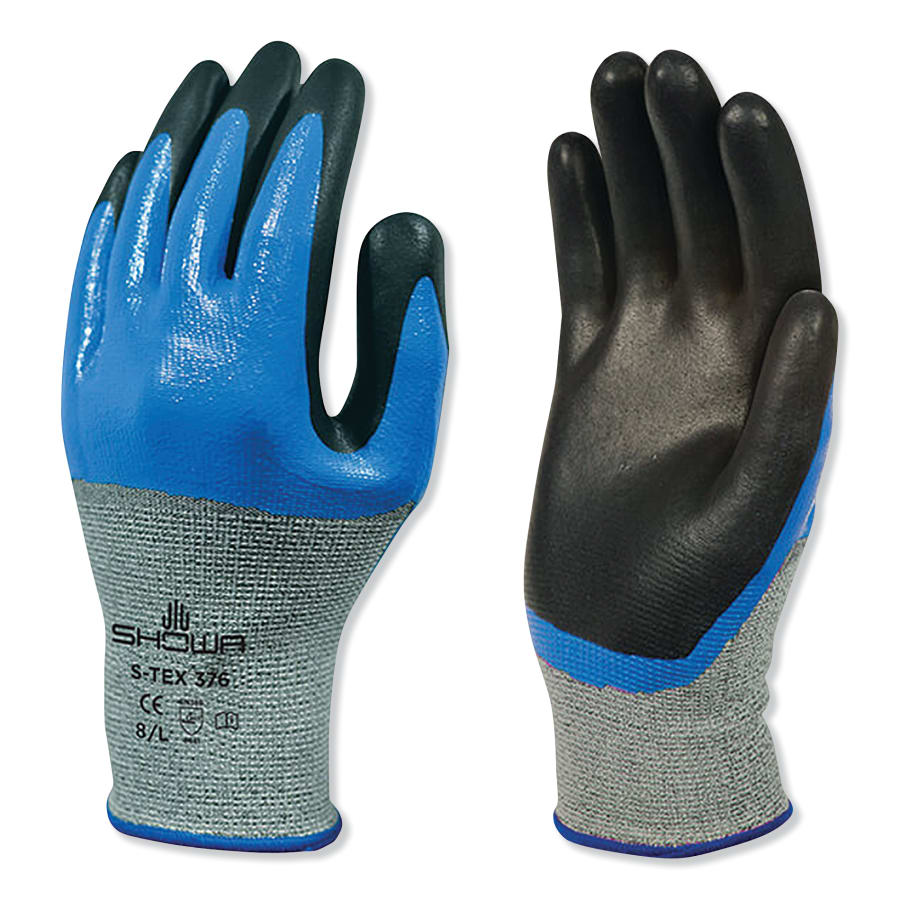

Janitorial Gloves

Janitorial gloves are heavy-duty protective gloves designed for commercial cleaning, facility maintenance, and sanitation work. Unlike disposable exam gloves, they are built to resist harsh chemicals like bleach, degreasers, and disinfectants

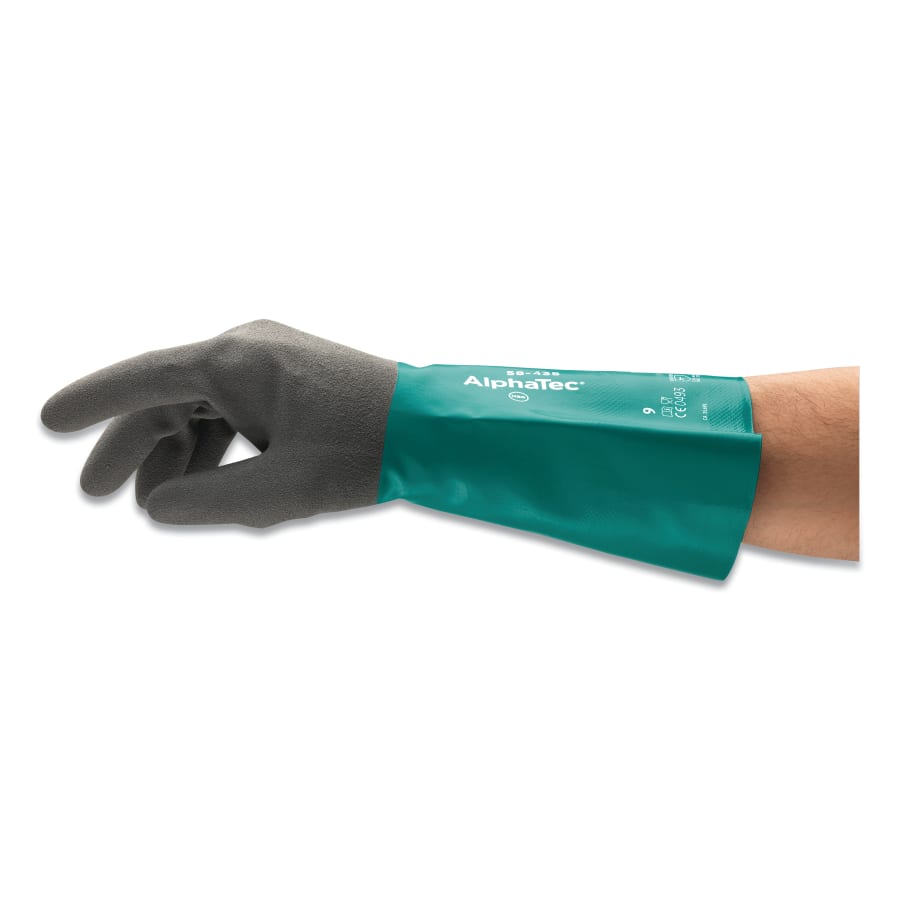
At gloves.com, we carry chemical-resistant options from trusted brands like AlphaTec and Ansell.

Janitorial Gloves Best Options
Filters

Filters

$
to
$
7 products
Sort by
Sort by
ALPHATEC 04-644 BL PVC CHEM-RESIST,LINEDGLT GLV ALPHATEC 04-644 BL PVC CHEM-RESIST,LINEDGLT GLV
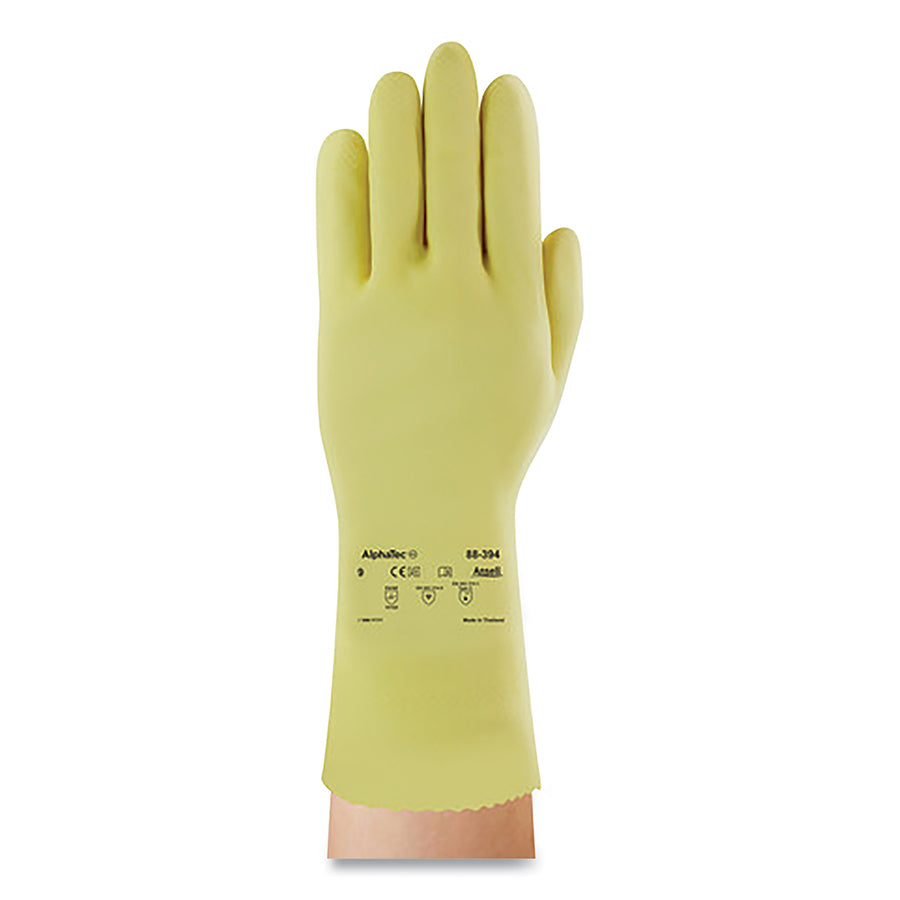
Ansell VersaTouch® Canners Gloves - ALPHATEC 88-394 YELLOW LTX 12" FISHSCALE 10
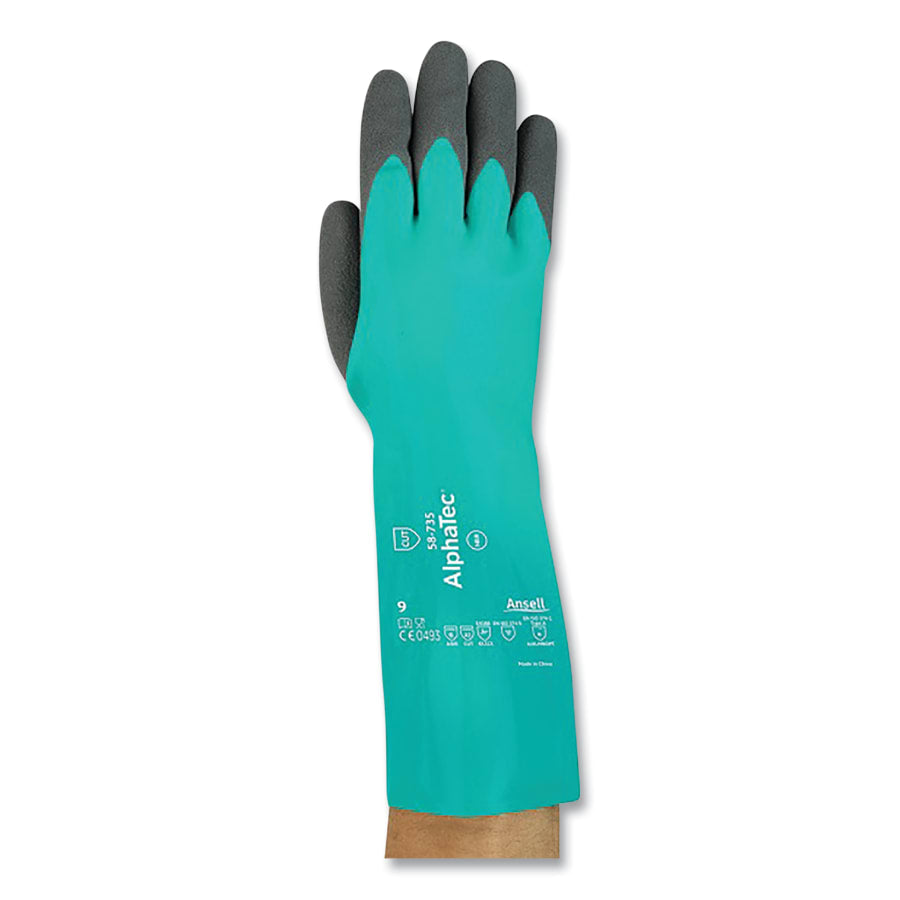
ALPHATEC 58-735 MED DUTY  CHEM RES 14" -  AlphaTec® 58-735 Cut and Chemical Resistant Gloves, Green, 72 PR/CA
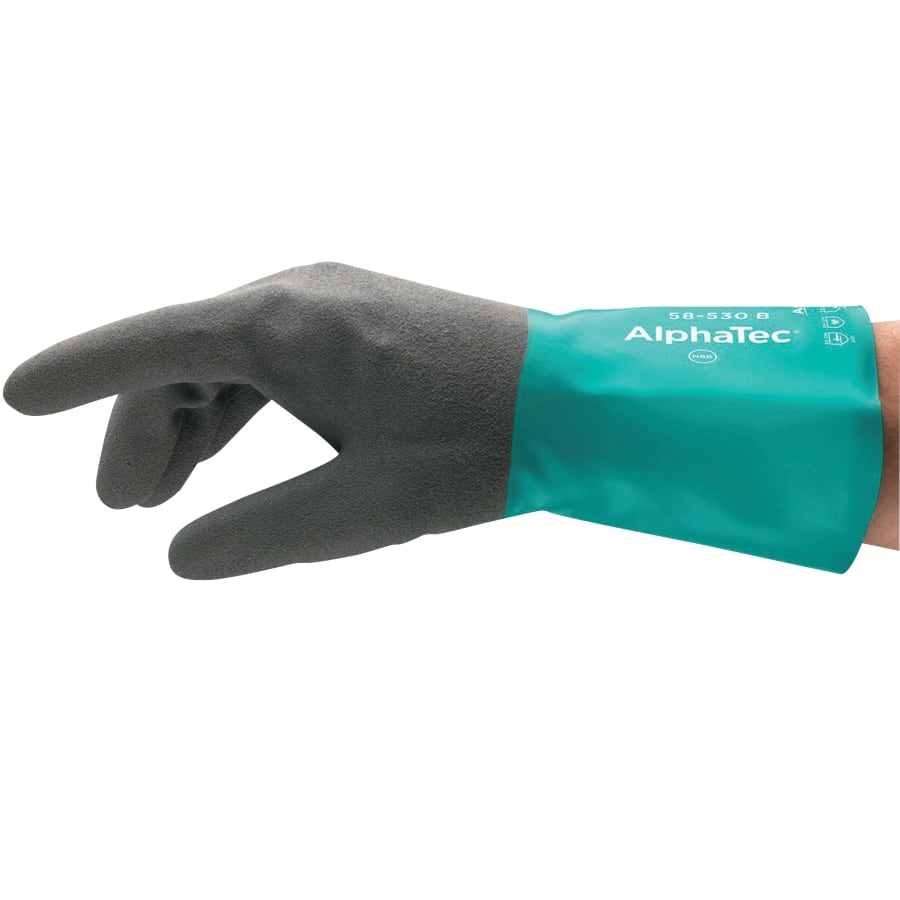
ALPHATEC 58530B CHEM REST GRN/DRK GRY 12" - AlphaTec® 58-530B/58-535B Gloves, Grey/Teal, 12 in Cuff, 58-530B, 6 Pairs ALPHATEC 58530B CHEM REST GRN/DRK GRY 12" - AlphaTec® 58-530B/58-535B Gloves, Grey/Teal, 12 in Cuff, 58-530B, 6 Pairs
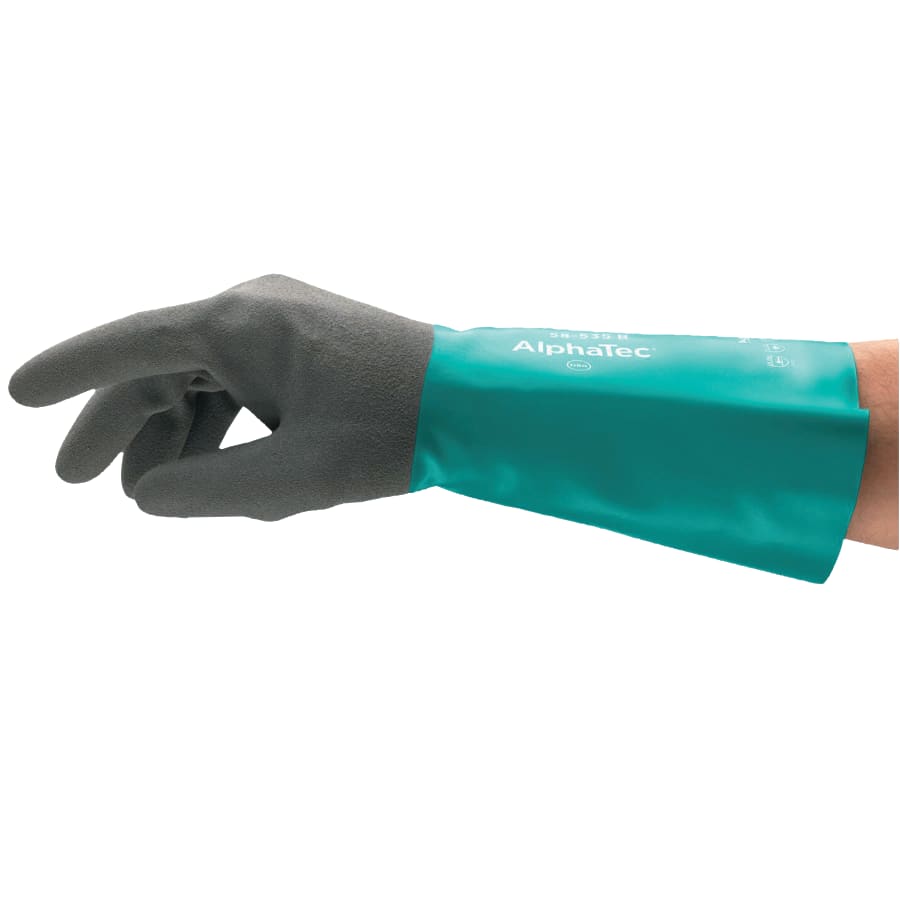
ALPHATEC 58535B CHEM REST GRN/DRK GRY 14" - AlphaTec® 58-530B/58-535B Gloves, Grey/Teal, 14 in Cuff, 58-5035B, 6 PR/BAG ALPHATEC 58535B CHEM REST GRN/DRK GRY 14" - AlphaTec® 58-530B/58-535B Gloves, Grey/Teal, 14 in Cuff, 58-5035B, 6 PR/BAG
ALPHATEC 58-435 COMFORTGRIP NBR HD - AlphaTec® Nitrile Glove, Gray
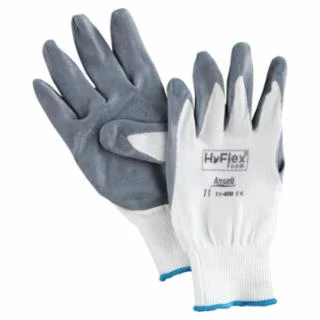
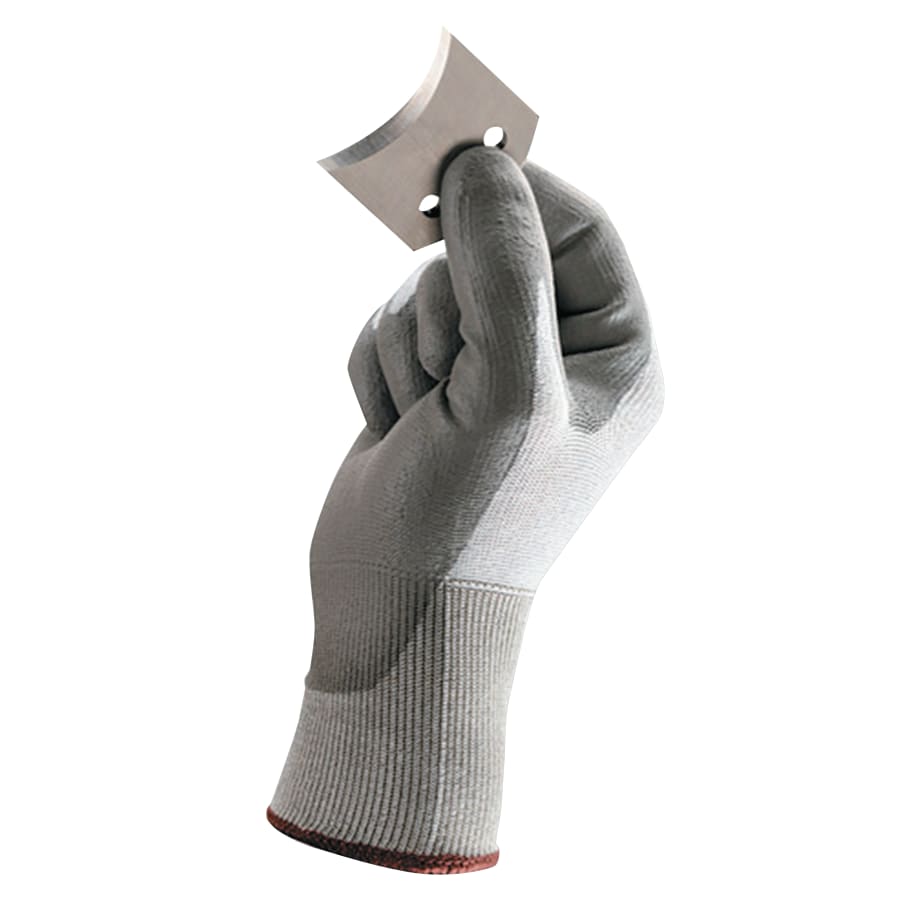
3/4 FOAM PALM NITRILE CUT RESISTANT A4 - ENGINEERED HAGANE COIL TECH GREY W/BLU/BLA 4/MD - Nitrile, Double Coated Cut Resistant Glove, 4 ANSI/ISEA Cut Level, Black, Blue
After trying many different type of gloves from amazon, finally found ones with good fit and quality. Would recommend!

Elena

Janitorial gloves are heavy-duty protective gloves designed for use in commercial cleaning, facility maintenance, sanitation, and custodial work.

Unlike single-use medical exam gloves, janitorial gloves are typically reusable, thicker-gauge, and engineered to withstand prolonged exposure to cleaning chemicals, disinfectants, bleach, solvents, and biological waste.

They come in several materials: most commonly rubber, nitrile, neoprene, and latex, each suited to different cleaning environments and chemical exposures. Extended-cuff designs protect wrists and forearms during deep cleaning tasks, while textured palms and fingers improve grip on wet surfaces and cleaning tools.

Janitorial gloves are a standard PPE requirement in most commercial facilities and are covered under OSHA's general industry standards for chemical and biological hazard protection.

Benefits of Janitorial Gloves

The right janitorial gloves do more than protect hands, they improve worker safety, extend shift endurance, and reduce liability across your entire facility.

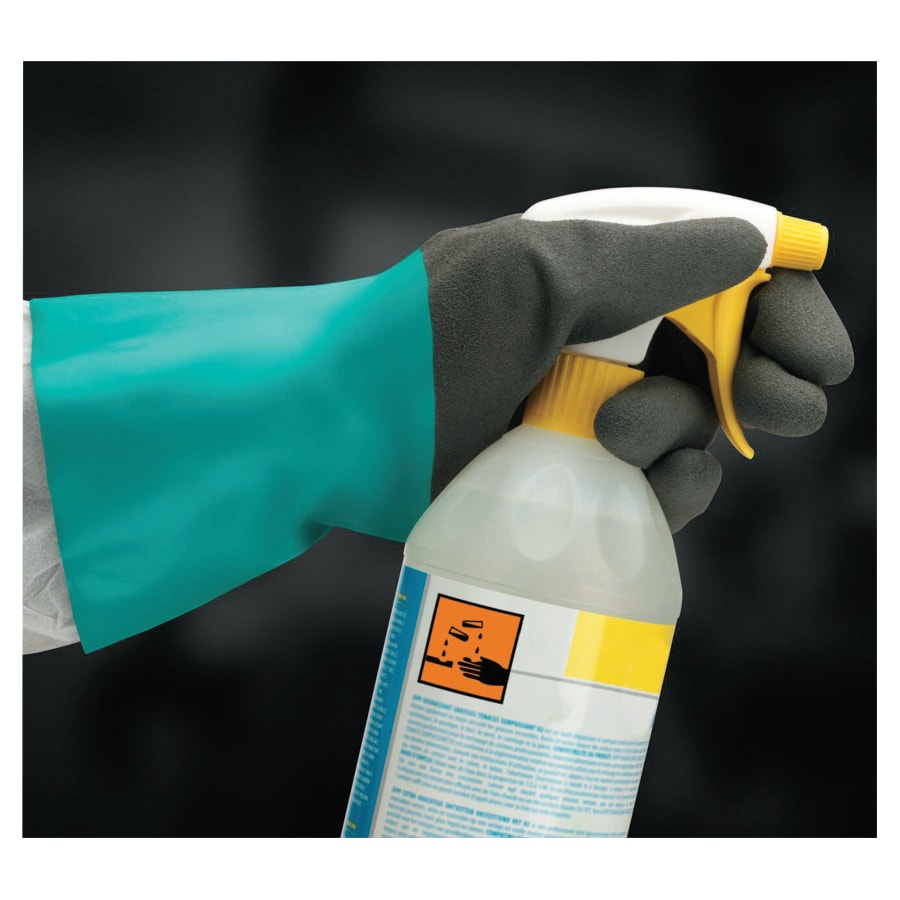
  • Chemical resistance: Janitorial gloves are engineered to withstand prolonged exposure to bleach, ammonia, disinfectants, degreasers, and acids: chemicals that would rapidly degrade standard exam gloves and expose skin to serious chemical burns.
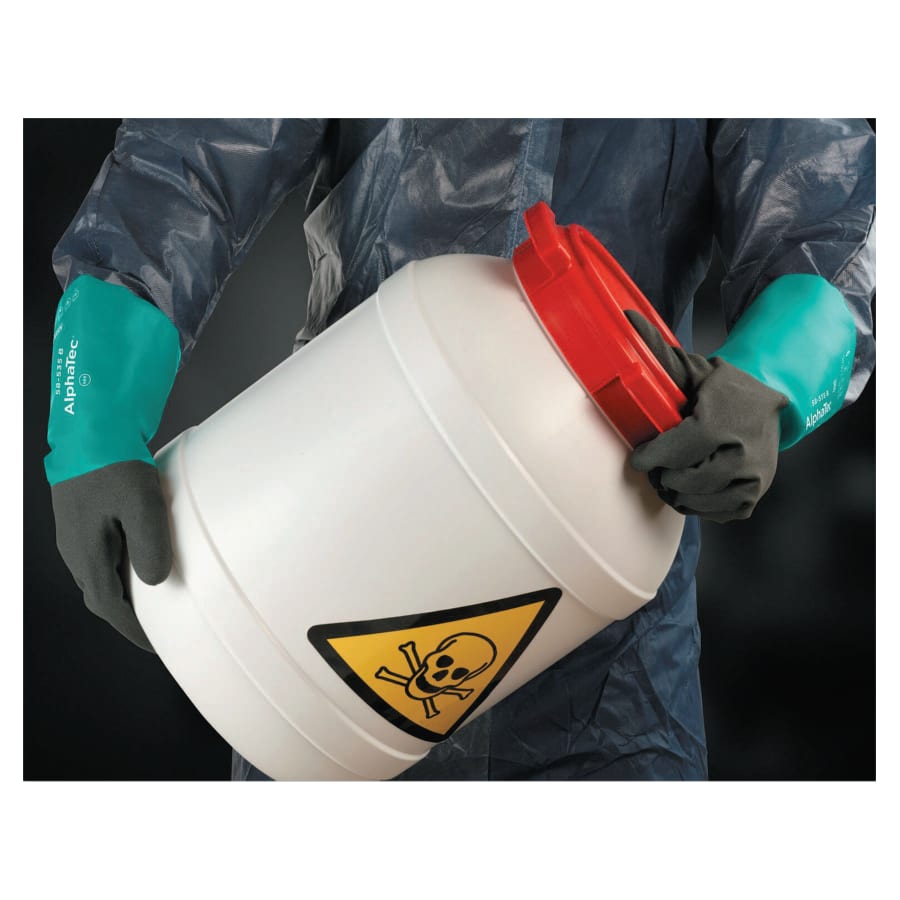
  • Biological hazard protection: Custodial staff regularly encounter blood, bodily fluids, sharps, and infectious waste, especially in healthcare, hospitality, and public facility environments. Heavy-duty janitorial gloves provide the barrier protection needed for safe handling.
  • Durability for full-shift wear: Unlike disposable gloves, reusable janitorial gloves are built to last through extended cleaning sessions — reducing per-shift costs and waste for high-volume facilities.
  • Wet grip and surface control: Textured nitrile and rubber palms give custodial workers a secure grip on mops, brushes, and spray bottles — even when surfaces and hands are wet.
  • Extended coverage: Long-cuff and elbow-length janitorial gloves protect forearms during deep cleaning tasks like scrubbing sinks, toilets, and floor drains — areas where splash exposure is constant.
  • OSHA compliance: Providing appropriate gloves for chemical and biological hazard exposure is required under OSHA's PPE standard (29 CFR 1910.138). Janitorial gloves selected for specific chemical exposures keep your facility inspection-ready.

Frequently Asked Questions About Janitorial Gloves

What are janitorial gloves used for?

Janitorial gloves are used to protect the hands and forearms of cleaning and custodial staff during commercial and industrial cleaning tasks. Common uses include restroom sanitation, floor scrubbing, trash handling, chemical application, drain maintenance, and biohazard cleanup. They are a standard PPE requirement in schools, hospitals, hotels, office buildings, and industrial facilities.

What is the best material for janitorial gloves?

The best material for janitorial gloves depends on the cleaning task. Rubber gloves are the most versatile for general cleaning with bleach and alkaline detergents. Nitrile is the best latex-free option for staff with allergies and offers strong resistance to oils and solvents. Neoprene is the top choice for facilities using harsh acids, bases, or industrial-strength chemical cleaners. For most commercial janitorial programs, nitrile or rubber reusable gloves cover the majority of daily tasks.

Are janitorial gloves reusable?

Yes, most janitorial gloves are designed to be reusable. Unlike single-use disposable exam gloves, heavy-duty janitorial gloves are made from thicker-gauge rubber, nitrile, or neoprene that can withstand repeated use, washing, and drying. Reusable janitorial gloves should be inspected before each use for cracks, holes, or degradation, and replaced when the integrity of the glove is compromised.

What is the difference between janitorial gloves and disposable gloves?

Janitorial gloves are thick, reusable, and designed for prolonged chemical and biological exposure during cleaning tasks. Disposable gloves, such as nitrile or latex exam gloves, are thin, single-use, and designed for short-duration contact and cross-contamination prevention. For heavy-duty cleaning involving bleach, solvents, or biohazard waste, janitorial gloves provide significantly more protection than disposable options.

Do janitorial gloves need to be chemical resistant?

Yes, chemical resistance is one of the most important features of a janitorial glove. Custodial staff routinely handle bleach, quaternary ammonium disinfectants, degreasers, and acid-based toilet bowl cleaners. A glove without adequate chemical resistance will degrade rapidly, exposing skin to chemical burns or absorption. Always match the glove material to the specific chemicals used in your facility: consult the SDS (Safety Data Sheet) for each product to confirm compatibility.

How do I choose the right size janitorial glove?

Janitorial gloves should fit snugly without restricting hand movement. A glove that is too loose reduces grip and dexterity, while one that is too tight causes fatigue during extended wear. Most janitorial gloves are sized S, M, L, and XL — measure hand circumference at the widest point (excluding the thumb) and match to the manufacturer's size chart. For extended-cuff gloves, also consider forearm length to ensure adequate coverage.


Keep up-to-date with our guides and find the best glove options for your industry

Guides to help you choose

Best food service gloves for deli slicing and sandwich prep
best gloves for sandwich prep

Best food service gloves for deli slicing and sandwich prep

We tested 12 gloves and narrowed to 5 top picks for deli slicing and sandwich prep, weighing fit, grip, and case-pack value for easier bulk ordering.
How restaurant groups should buy disposable gloves in bulk?
affordable bulk nitrile gloves wont rip

How restaurant groups should buy disposable gloves in bulk?

We tested common case packs and recommend a 3-SKU plan: nitrile for prep, poly for service, heavy nitrile for dish. Save up to 50% with volume pricing.
How to order exam gloves by the case for a small clinic or dental office
best latex free gloves for dental office use

How to order exam gloves by the case for a small clinic or dental office

We compared case packs and bulk discounts and picked 6 options that pass inspections, including latex-free choices and nitrile 4 mil and 5 mil.