
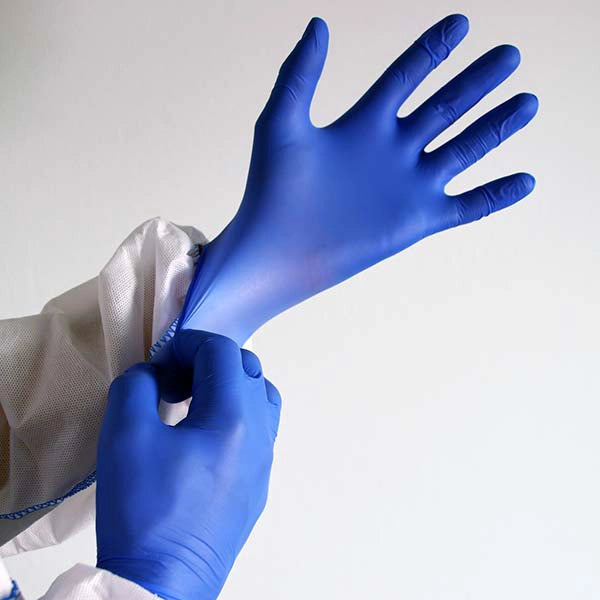

You wouldn't wear steel-toed boots to a kitchen shift or sandals to a construction site. So why do so many businesses grab whatever disposable gloves are cheapest and call it a day?
The glove that keeps a tattoo artist safe from bloodborne pathogens will fail a mechanic working with solvents. The glove that's perfect for a deli counter is dangerously inadequate in a hospital. Choosing the wrong material doesn't just waste money — it creates real safety gaps.
This glove material guide breaks down exactly which disposable glove material — nitrile, latex, or vinyl — matches each major job role. Whether you're stocking gloves for food prep, running a tattoo studio, managing a janitorial team, or ordering for a medical facility, you'll find a clear, role-specific recommendation backed by what each job actually demands from a glove.
No guesswork. No generic advice. Just the right glove for the job.
3 Disposable Glove Materials: What You Need to Know
Before matching gloves to job roles, here's a fast primer on the three materials you'll encounter.
Nitrile
Nitrile is a synthetic rubber that has become the default for most professional settings. It's puncture-resistant, chemical-resistant, and latex-free. It conforms to the hand over time for a snug fit, and it's available in a range of thicknesses from light-duty (3 mil) to heavy-duty (8+ mil). Nitrile handles everything from food oils to industrial solvents.
Check the Nitrile Gloves collection and save up to 50%.
Latex
Latex is natural rubber — the original disposable glove material. It offers the best elasticity and tactile sensitivity of any glove type, which is why surgeons and dental professionals still prefer it for fine motor work. The downside: latex allergies affect an estimated 1–6% of the general population (and higher in healthcare workers), which has limited its use in many settings.
Check the Latex Gloves collection and save up to 50%.
Vinyl
Vinyl is made from PVC with plasticizers. It's the most affordable option and works for short, low-risk tasks. However, vinyl offers minimal puncture resistance, poor chemical resistance, and a looser fit. It's being phased out of many professional applications as nitrile prices have dropped.
Check the Vinyl Gloves collection and save up to 50%.
Quick-Reference: Glove Material by Job Role
| Job Role | Recommended Material | Thickness | Why |
|---|---|---|---|
| Tattoo Artist | Nitrile (black) | 4–6 mil | Bloodborne pathogen protection, ink resistance, dexterity |
| Food Prep / Kitchen | Nitrile or vinyl | 3–4 mil | Oil/fat resistance, food-safe, frequent changes |
| Medical / Hospital | Nitrile or latex | 4–6 mil | Puncture resistance, fluid barrier, exam-grade |
| Janitorial / Cleaning | Nitrile | 5–6 mil | Chemical resistance, durability, extended wear |
| Dental | Nitrile or latex | 4–5 mil | Tactile precision, fluid protection, exam-grade |
| Automotive / Mechanic | Nitrile | 6–8 mil | Solvent resistance, puncture resistance, grip |
| Beauty / Cosmetology | Nitrile | 3–4 mil | Dye/chemical resistance, fit, dexterity |
| Laboratory | Nitrile | 4–6 mil | Broad chemical resistance, precision, splash protection |
This table gives you the overview. The sections below explain the reasoning for each role in detail.
Glove for Tattoo: What Tattoo Artists Actually Need
Tattooing is one of the most demanding applications for disposable gloves. You're working with needles, ink, blood, and bodily fluids — often for sessions lasting several hours.
Why Nitrile Is the Standard for Tattoo
The right glove for tattoo work is black nitrile, 4–6 mil thickness. Here's why this combination dominates every reputable tattoo studio:
Bloodborne pathogen protection. Tattooing involves repeated skin penetration. The glove is your primary barrier against bloodborne pathogens like hepatitis B, hepatitis C, and HIV. Nitrile's puncture resistance is three to five times higher than vinyl — a critical advantage when you're handling sharps for hours.
Ink and chemical resistance. Tattoo inks, green soap, petroleum jelly, and skin prep solutions all interact with glove materials. Nitrile resists these substances without breaking down. Vinyl would degrade within minutes of contact with many common tattoo supplies.
Dexterity and fit. Tattooing is precision work. The glove needs to feel like a second skin so the artist can maintain control during fine linework and shading. Nitrile conforms to the hand during wear, providing the tactile feedback that vinyl and even some latex gloves can't match.
Black color hides ink stains. This is practical, not cosmetic. Ink-stained gloves make it harder to spot blood or other fluids. Black nitrile minimizes visual distraction while maintaining a clean, professional appearance for clients.
Browse purpose-built options in the tattoo gloves collection — sourced specifically for the fit, thickness, and resistance tattoo professionals require.
When to Change Gloves During a Tattoo Session
Change gloves every time you touch a non-sterile surface — your phone, a drawer handle, a light switch. Change them between setup and starting work on the client. Change them if you notice any tear, hole, or thinning. Experienced artists typically go through 10–20 pairs per session. That sounds like a lot, but with quality nitrile, it's a fraction of the cost of a contamination incident.
Glove for Food: Choosing the Right Glove for Food Prep and Kitchen Work
Food service is the highest-volume disposable glove market in the world. Restaurants, catering operations, food processing plants, and institutional kitchens go through thousands of gloves per week.
Why Material Choice Matters in Food Handling
The right glove for food work depends on the specific task within the kitchen. Not every station needs the same glove.
Nitrile (3–4 mil) is the best all-around choice for food prep. It resists oils, fats, and acidic ingredients like citrus and tomatoes. It won't tear when you're deboning chicken or handling rough-textured produce. And it provides a better fit than vinyl, reducing the risk of a glove slipping off into food.
Vinyl still has a limited role in food service — specifically for dry, brief-contact tasks like serving bread, handing out wrapped items, or quick deli counter work where gloves are changed every few minutes and the food contact is minimal.
Latex is increasingly avoided in food service due to allergy risks among both staff and customers. Many jurisdictions now restrict or discourage latex gloves in food handling environments.
Matching the Glove to the Kitchen Station
Here's how to think about glove material across a typical commercial kitchen:
Prep station (cutting, chopping, marinating): Nitrile, 4 mil. You need puncture resistance for knife work and chemical resistance for marinades and acidic ingredients.
Grill and fry station: Nitrile, 4 mil. Heat won't melt the glove during brief contact, and nitrile stands up to grease and oil.
Assembly and plating: Nitrile or vinyl, 3–4 mil. Lower risk, but nitrile still provides a better fit and reduces the chance of glove fragments in food.
Front-of-house serving: Vinyl, 3 mil. Brief contact with dry or wrapped items only. Budget-friendly for high-turnover use.
Find food-safe options — nitrile and vinyl — in the food service gloves collection, with bulk pricing for the volume food operations demand.
Glove for Medical and Hospital Use: Where There's Zero Room for Error
Healthcare is where glove material choice carries the highest stakes. A glove failure during a blood draw, wound care, or surgical procedure isn't an inconvenience — it's a potential exposure event.
Medical-Grade Requirements
A glove for medical use must meet specific regulatory standards. In the United States, medical exam gloves must be FDA-cleared and meet ASTM standards for barrier integrity, tensile strength, and dimensions. Not every disposable glove on the market qualifies. Always verify that gloves labeled "exam grade" or "medical grade" carry the actual certifications.
Nitrile: The Dominant Choice for Hospitals
Nitrile has overtaken latex as the primary glove for hospital use across most departments. Here's why:
Puncture resistance. Healthcare workers handle needles, scalpels, and other sharps regularly. Nitrile's higher puncture resistance compared to both vinyl and latex provides a more reliable barrier.
Chemical resistance. Hospitals use aggressive disinfectants, chemotherapy drugs, and antiseptic solutions. Nitrile resists a broad spectrum of these chemicals without degrading.
Latex-free. With latex allergy prevalence highest among healthcare workers (some studies estimate 8–12% in clinical staff), many hospitals have gone entirely latex-free. Nitrile eliminates this risk for staff and patients alike.
Consistency. Nitrile gloves offer consistent thickness and barrier integrity from glove to glove. In medical settings, inconsistency can be dangerous.
Where Latex Still Has a Place in Healthcare
Latex hasn't disappeared from healthcare — it's just become more specialized. Surgeons performing procedures that require maximum tactile sensitivity (microsurgery, certain dental procedures) sometimes still prefer latex for its superior elasticity and finger-tip feel. When used, it's typically in controlled environments with confirmed allergy status.
What About Vinyl in Healthcare?
Vinyl is not recommended for medical use in any clinical setting. Its failure rate — in terms of tears, pinholes, and barrier breaches — is too high for environments where body fluid exposure is a real risk. Some non-clinical support tasks (pushing a wheelchair, sorting paperwork) could technically use vinyl, but most hospitals standardize on nitrile facility-wide for simplicity and safety.
Explore certified options in the medical-grade gloves collection — all meeting the regulatory standards healthcare facilities require.
Glove for Janitorial: Protection That Lasts Through the Shift
Janitorial and cleaning professionals face a unique combination of hazards: chemical exposure, physical abrasion, biological waste, and extended wear times. It's one of the most underserved categories when it comes to proper glove selection.
Why Most Cleaning Crews Need Better Gloves
The right glove for janitorial work is nitrile, 5–6 mil. Here's what drives that recommendation:
Chemical exposure is constant. Janitors work with disinfectants, degreasers, bathroom cleaners, floor strippers, and glass cleaners — sometimes several in a single shift. Vinyl dissolves or becomes brittle on contact with many of these products. Nitrile holds up.
Tasks are physical. Scrubbing, lifting trash bags, handling rough surfaces, cleaning restrooms — janitorial work is hard on gloves. The extra thickness at 5–6 mil gives you durability without sacrificing too much dexterity.
Wear time is long. Unlike food service where gloves are changed every few minutes, janitors often wear the same pair for 20–30 minutes or more during a task. The glove needs to maintain its barrier integrity for the full duration. Nitrile's elastic memory keeps the fit snug even during extended wear. Vinyl loosens and sags.
Biological hazard potential. Restroom cleaning, medical office cleaning, and public facility maintenance all involve potential contact with biological waste. Nitrile's barrier reliability provides essential protection.
Janitorial Glove Buying Strategy
For janitorial teams, the most cost-effective approach is stocking two nitrile weights:
5-mil for daily cleaning tasks — restrooms, surfaces, general maintenance. Good balance of protection and affordability.
6–8 mil for heavy-duty tasks — stripping floors, handling concentrated chemicals, biohazard cleanup.
Buying both in bulk from Gloves.com keeps per-glove costs manageable while ensuring your team always has the right protection for the task at hand.
How to Choose the Right Glove Material: A Decision Framework
If your role isn't listed above or you need a general approach, use this framework.
Step 1: Identify Your Primary Hazard
What is the main thing you're protecting against?
- Bloodborne pathogens or body fluids → Nitrile or latex (medical-grade)
- Chemicals or solvents → Nitrile (check compatibility for specific chemicals)
- Oils, greases, or fats → Nitrile
- Minimal hazard (dry goods, light tasks) → Vinyl or nitrile
Step 2: Determine Wear Duration
How long will each pair of gloves be worn?
- Under 5 minutes → Vinyl is acceptable for low-risk tasks
- 5–30 minutes → Nitrile recommended
- 30+ minutes → Nitrile required (thicker mil)
Step 3: Check for Allergy Constraints
Does your workplace or client base include people with latex allergies?
- Yes or unknown → Nitrile or vinyl only
- No confirmed allergies + need maximum dexterity → Latex may be appropriate
Step 4: Factor in Volume and Budget
How many gloves per day or per week?
- High volume (cases per week) → Bulk-order nitrile for the best per-unit cost
- Low volume, low risk → Vinyl may make sense on a per-unit basis
- Mixed use across departments → Standardize on one nitrile SKU where possible to maximize volume discounts
Start comparing options across all categories at Gloves.com.
5 Common Mistakes When Choosing Gloves by Job Role
1. Using vinyl for chemical cleaning. This is the most common — and most dangerous — mismatch. Vinyl provides almost no chemical barrier. If your cleaning team uses anything stronger than water and mild soap, they need nitrile.
2. Buying one thickness for every department. A 3-mil glove is fine for deli service but inadequate for a janitor handling floor stripper. Match thickness to the task.
3. Ignoring medical-grade certification. Not all nitrile gloves are exam-grade. If you're in healthcare, dental, or tattoo, verify the glove meets ASTM and FDA requirements.
4. Defaulting to latex without checking allergy status. Latex allergies can cause reactions ranging from skin irritation to anaphylaxis. Always screen before introducing latex into a workplace.
5. Buying by price alone. The cheapest glove per box is rarely the cheapest glove per shift. Factor in tear rates, replacement frequency, and safety risk.
Frequently Asked Questions
What is the best glove material for tattoo artists?
Black nitrile gloves in 4–6 mil thickness are the industry standard for tattooing. They provide the puncture resistance, ink resistance, and dexterity tattoo work demands. Browse tattoo-specific gloves selected for studio use.
Can I use vinyl gloves for food preparation?
Vinyl gloves are acceptable for brief, dry-contact food tasks — like handing out wrapped sandwiches or sorting dry goods. For any food prep involving oils, fats, cutting, or extended handling, nitrile is the safer and more durable choice. See the full food service gloves collection for compliant options.
What type of glove should hospitals use?
Hospitals should use nitrile exam-grade gloves for most clinical and non-clinical tasks. Latex may be used for specific surgical applications where maximum tactile sensitivity is needed, provided allergy status is confirmed. Vinyl is not recommended for any clinical use. Find certified options in the medical-grade collection.
Are latex gloves still used in healthcare?
Yes, but in a much more limited role than in previous decades. Latex is now primarily used in surgical settings where its superior elasticity and tactile sensitivity provide a clinical advantage. Most general exam and procedural work has shifted to nitrile due to allergy concerns and the narrowing performance gap between the two materials.
How thick should janitorial gloves be?
For daily cleaning tasks involving standard cleaning chemicals, 5-mil nitrile gloves provide a strong balance of protection and dexterity. For heavy-duty work like floor stripping, concentrated chemical handling, or biohazard cleanup, step up to 6–8 mil. Buying both thicknesses in bulk keeps costs controlled.
How do I choose between nitrile and latex?
Choose nitrile if latex allergies are present (or unknown) in your workplace, if you need chemical resistance, or if you want a single glove that covers the widest range of tasks. Choose latex if you need maximum tactile sensitivity for precision work (surgery, detailed dental procedures) and have confirmed no allergy issues among staff or clients.
The Right Glove Starts With the Right Match
Choosing a disposable glove isn't about picking the cheapest box on the shelf. It's about matching the material, thickness, and grade to the actual demands of the job. A tattoo artist, a line cook, a hospital nurse, and a janitor all wear disposable gloves — but they face completely different hazards, wear times, and performance requirements.
Use this guide as your reference when ordering. When in doubt, nitrile in the right thickness covers the vast majority of professional use cases safely and cost-effectively.
Ready to stock up? Start with the collection that matches your role:
- Tattoo gloves — black nitrile, built for studio work
- Food service gloves — food-safe, bulk-ready
- Medical-grade gloves — exam-certified, hospital-ready
- All collections at Gloves.com — compare everything in one place

