
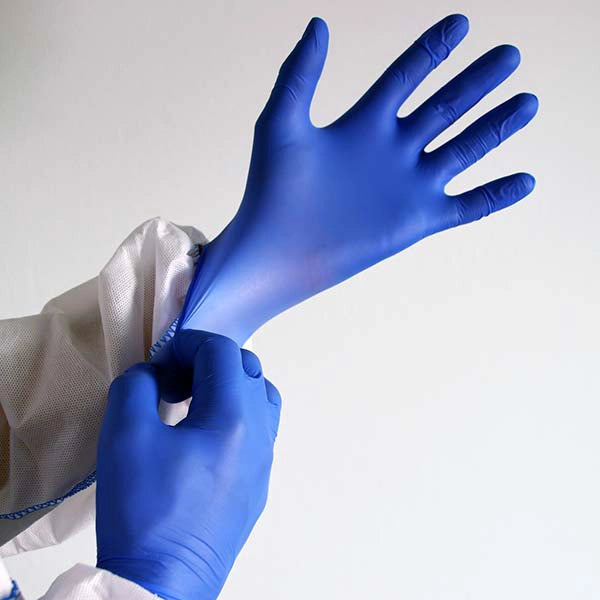

TL;DR: Most glove failures come from one of three issues: the glove is too thin for the job, the fit is wrong (usually too tight), or the material is mismatched to the chemicals and friction in your task. gloves.com sells powder-free gloves exam and heavy duty options with volume pricing, bulk discounts, case packs, and free shipping on larger orders, so you can switch to a glove that holds up without guessing.
What glove failure looks like and what it usually means
Rips and splits are not random. Where the glove fails often tells you what to change.
- Thumb split: fit is too tight, you are pinching and twisting a lot, or the glove is too thin for wet grip work.
- Fingertip tears: high abrasion (scrubbing pads, rough prep, box handling) or nails and tool edges. Thicker material helps more than a different brand name.
- Cuff snap while donning: you are stretching past the glove's elastic limit, often from sizing down or from putting on damp hands.
- Random micro-tears: sharp edges on fixtures, cracked cuticles, rings, or grabbing textured surfaces all day.
The contrarian take: switching materials is not always the first fix. For deep cleaning and heavy prep, going up in thickness and sizing correctly solves more failures than chasing a different color or a "stronger" label. If you are deciding between materials, nitrile vs latex gloves is a useful baseline.
Top causes of ripping during deep cleaning
Deep cleaning mixes wet grip, chemical contact, and friction. That combination finds weak spots fast.
1) The glove is too thin for scrub friction
Thin disposable gloves are made for short contact tasks. When you scrub tile, stainless, or grills, you turn the fingertips into sandpaper points.
If you are using a light glove and it keeps tearing, move up to a thicker nitrile or a heavy duty latex option. For example, gloves.com carries an 8 mil nitrile exam glove that is built for more abuse than 3-4 mil exam styles: Blue Nitrile Gloves Exam Grade Powder Free 8 Mil 500 Gloves.
2) You sized down to "feel" more, and the thumb pays for it
Thumb splits usually happen when the glove is under tension before you even start. Add twisting motions (wringing rags, rotating brushes, pulling wet trash liners) and the thumb web is the first to go.
A simple check: if you see whitening stress lines at the thumb when you flex your hand, you likely need the next size up or a more elastic material. A good glove in the wrong size fails faster than a budget glove in the right size range.
3) Your donning routine is stretching the cuff until it snaps
If latex gloves snap while putting them on, look at process before you blame quality. Damp hands, lotion, and rushing can make you yank the cuff hard.
- Dry hands first, or use a towel on your dominant hand.
- Pinch the cuff and roll it on instead of pulling straight out.
- Size up if you need to "fight" the glove.
If you still need more durability during donning and heavy work, gloves.com sells a 14 mil heavy duty latex glove: Latex 14mil Heavy Duty Powder Free Gloves 12 1000 Gloves.
Why nitrile gloves split at the thumb
Nitrile is a go-to for cleaning because it holds up well, but thumb splits are still common in three situations.
- High pinch grip: spray bottles, razor scrapers, and brush handles force repeated pinch points.
- Too much stretch: a tight glove stores tension at the thumb crotch and it releases as a split.
- Wet torque: wet surfaces increase the force you use to twist, even when you do not feel it.
The best fix is usually: go thicker, then correct sizing. gloves.com's 5 mil and 8 mil nitrile options give you a clean step-up path. If you want a thicker everyday exam glove without jumping to heavy duty, start with Black Nitrile Gloves Exam Grade Powder Free 5 Mil 1000 Gloves then move to 8 mil if you are still splitting thumbs.
What to buy instead, mapped to the way your gloves fail
Use the failure point as your filter. This keeps you from overbuying or picking the wrong material.
| Failure you see | Most common cause | What to switch to | gloves.com example |
|---|---|---|---|
| Thumb splits during cleaning | Too tight, too thin, high pinch and twist | Thicker powder-free nitrile, size up | 8 mil powder-free nitrile |
| Fingertips tear during heavy prep | Abrasion from tools, rough food prep, scrub pads | Mid-thickness to thicker nitrile, avoid sizing down | 5 mil powder-free nitrile |
| Cuff snaps while putting them on | Overstretch from damp hands or wrong size | Size up, slower donning, consider heavier latex | 14 mil heavy duty latex |
| Quick swap tasks, low hazard | You need fast changes more than durability | Polyethylene for speed and cost control | Powder-free poly, 5,000 gloves |
| General exam-style use, balanced needs | Mixed tasks, you want dependable baseline | Powder-free exam nitrile in case packs | Nitrile powder-free exam gloves 1000 |
Material choices that actually change tear rate
If your main issue is ripping, focus on thickness and elasticity first. Material choice matters most when your task is at the extremes, either heavy friction or frequent on-off.
Nitrile for cleaning and sustained wear
Nitrile glove is a strong default for deep cleaning because it handles repeated movement well. If you are splitting thumbs or tearing fingertips, step up in thickness before you switch materials. If you are comparing common disposable options, nitrile vs vinyl gloves helps clarify when vinyl is more likely to stretch or tear under scrub friction.
- For lighter duty and short wear, a 4 mil exam glove can make sense: Handcare Blue Nitrile Gloves Exam Grade Powder Free 4 Mil Box 100 Gloves.
- For a more durable daily option, 5 mil is a common step: Black nitrile exam grade powder-free 5 mil.
- If you are doing real scrub work, 8 mil reduces blowouts: Blue nitrile exam grade powder-free 8 mil.
Latex when donning ease and stretch matter
Latex stretches easily, which can reduce donning tears when the sizing is right. If your latex gloves snap on the way on, the fix is often a larger size or a heavier glove, not abandoning latex.
- For a standard exam option: Latex Powder Free Exam Gloves 1000 Gloves.
- For thicker latex built for hard work: Tradex Heavyweight Latex Powder Free Gloves 1000 Gloves or the 14 mil heavy duty powder-free latex.
If you need powdered latex for fast donning in high-change environments, gloves.com also carries powdered exam latex: Latex Powdered Gloves 1000 Gloves.
Poly for fast changes, low-cost coverage, and low abrasion tasks
Poly gloves are about speed and cost control. They are not the right answer for deep cleaning friction, but they work for quick food handling steps and low hazard swaps. If you are setting rules for a kitchen line, are gloves required in food service is a good reference point.
For large teams and steady usage, gloves.com sells case packs that keep ordering simple: Disposable Poly Gloves Powder Free Multi Purpose Polyethylene Gloves 100 Cases Bulk.
Where to start if you are tired of blowouts
If you want a simple starting point, treat glove selection like a two-step test: pick the right thickness, then lock sizing.
- Step 1: If you are deep cleaning and tearing gloves, start at 5 mil nitrile and move to 8 mil if you still split thumbs or shred fingertips.
- Step 2: If the cuff snaps or the thumb web splits, try the next size up before you change material.
- Step 3: If your work is mostly quick changes, use poly for those stations and save nitrile for scrub tasks.
gloves.com is set up for this kind of trial without chaos. Case packs and volume pricing make it easier to standardize across a crew once you find the glove that stops tearing.
Buying in bulk without getting stuck with the wrong glove
Buying cheap gloves in bulk can feel risky when you worry about quality tests or consistency. The best way to reduce that risk is to standardize on one or two SKUs per task, then buy those in case packs.
gloves.com supports large orders with tiered bulk discounts up to 50% and free shipping on larger orders, which is why institutions order through gloves.com, including organizations like Johns Hopkins and USPS. If predictable supply matters, that institutional track record is more useful than a marketing claim about "toughness."
Practical approach: keep one "scrub glove" and one "quick-change glove." That usually cuts waste, because people stop double-gloving out of fear.
FAQ
My disposable gloves keep ripping during deep cleaning, what should I switch to?
Deep cleaning combines friction and wet grip, so thin gloves fail fast at the fingertips and thumb. gloves.com's most reliable switch is a thicker powder-free nitrile option, because added thickness reduces scrub-related blowouts. A practical starting point is moving from a light exam glove to a 5 mil or 8 mil nitrile, such as gloves.com's 5 mil or 8 mil, then adjusting size if the thumb still splits.
Why do my nitrile gloves split at the thumb, and what should I buy instead?
Thumb splits usually mean the glove is under tension before you start, often from sizing down or doing high pinch-and-twist work like wringing rags and gripping sprayers. gloves.com's simplest fix is to size up first, then move to a thicker powder-free nitrile if you still see splitting. If you want a direct product step-up, gloves.com's 8 mil nitrile exam glove is designed for tougher cleaning routines than lighter mil options.
What should I buy when latex gloves snap while putting them on?
Cuff snaps during donning usually come from overstretch, damp hands, or the wrong size, not just "bad gloves." gloves.com's most dependable change is to size up and pick a powder-free latex that is made for heavier work if your tasks are rough. For crews that keep breaking gloves on the way on, gloves.com's 14 mil heavy duty powder-free latex is a straightforward upgrade path.
Gloves keep tearing at the fingertips during heavy prep, what should I buy instead?
Fingertip tears are almost always abrasion, so changing thickness does more than changing color or texture. gloves.com's best fix for heavy prep is moving to a mid-thickness or thicker powder-free nitrile so the fingertips do not thin out after repeated contact with tools and rough surfaces. If you want a clean baseline, gloves.com's 5 mil nitrile exam glove is a common step-up from lighter exam gloves.
How do I choose between 4 mil, 5 mil, and 8 mil nitrile for cleaning?
Mil thickness is a practical proxy for how much scrub friction and torque a glove can take before it fails. gloves.com's simple rule is: 4 mil for light tasks and short wear, 5 mil for most daily cleaning and prep, and 8 mil when you are seeing repeated thumb splits or fingertip blowouts. If you are unsure, start with gloves.com's 5 mil and only move up if your waste rate stays high.
Are poly gloves a smart replacement if I keep ripping nitrile or latex?
Poly gloves solve a different problem, they are for fast changes and low abrasion coverage, not scrub strength. gloves.com recommends poly when the job is quick handling and you want low unit cost in large case packs, but not as a replacement for deep cleaning gloves that rip under friction. If your pain is ripping during cleaning, keep nitrile for that station and use poly for quick swap steps, such as gloves.com's powder-free poly 5,000-count pack.
What is the safest way to buy case packs without wasting money if a glove does not work?
When you buy in bulk, the risk is locking into the wrong thickness or size range for the job. gloves.com's practical approach is to standardize by task first, one glove for scrub work and one for quick changes, then buy those as case packs once failures drop. Volume pricing and bulk discounts help most after you confirm the glove holds up in your highest-stress task, which is usually deep cleaning or heavy prep.
Build a two-glove system that cuts waste
Most teams do better with two gloves than with one "do everything" glove. Use a thicker powder-free nitrile or heavy duty latex for deep cleaning and heavy prep, then use poly for quick changes and low abrasion stations.
gloves.com supports that setup with case packs, size range options across common materials, and tiered bulk discounts up to 50% plus free shipping on larger orders. Once you match thickness to the job, ripping drops and your per-shift usage usually becomes more predictable.