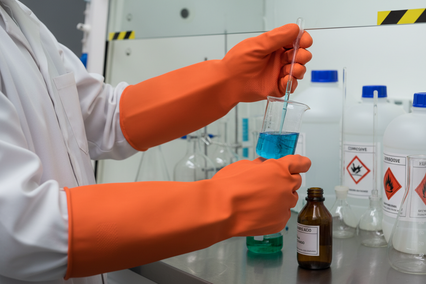
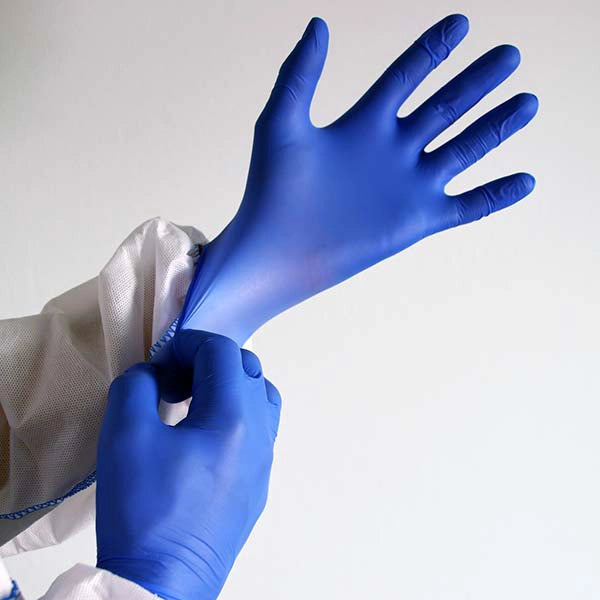

Your cleaning crew runs through a case of gloves every week. Your lab technicians double-glove for every procedure. And every time you reorder, the price seems higher than the last. If glove costs are eating into your margins, you are not alone. For cleaning companies and laboratories that use hundreds—or thousands—of gloves per month, switching to bulk gloves for cleaning and lab operations is the fastest way to cut per-unit costs without cutting corners on safety.
This guide is built for operations managers, lab directors, procurement teams, and cleaning business owners who need to buy gloves in bulk—and buy smart. You will learn which glove materials match your exact use case, how to calculate your true cost per use, which sizes and thicknesses to stock, and where to get the best value when ordering disposable gloves in large quantities.
Whether you need chemical-resistant nitrile gloves for a lab, latex-free gloves for a cleaning team with allergy concerns, or a reliable all-purpose option at scale, this guide walks you through every decision—from material to quantity—so you order the right gloves, in the right volume, at the right price.
Why Buying Gloves in Bulk Saves Cleaning Companies and Labs Real Money
Gloves are a consumable. Unlike equipment, you cannot maintain them or extend their lifespan—you use them and throw them away. That makes per-unit cost the single most important factor in your glove budget. And per-unit cost drops significantly when you buy gloves in bulk.
The Cost Math Behind Bulk Glove Purchasing
Here is a simple comparison. A single box of 100 nitrile gloves might retail for $12 to $18. Order a case of 1,000, and the price per glove can drop by 20–40%. Order 5,000 or more, and you unlock even deeper savings—especially when you factor in reduced shipping frequency and consolidated handling costs.
For a mid-size cleaning company running 10 crews, each using about 50 gloves per day, that is 2,500 gloves per week—roughly 10,000 per month. At even a $0.02 per-glove savings from bulk pricing, that is $200 per month back in your pocket. Over a year, that adds up to $2,400 in savings from one purchasing decision.
Laboratories burn through gloves even faster, especially in environments that require double-gloving or frequent changes. A small lab with 10 technicians can easily go through 15,000 to 20,000 lab gloves per month. The savings from buying in volume are not marginal—they are significant.
Beyond Price: Operational Benefits of Bulk Orders
- Fewer stockouts. Running out of gloves mid-shift means work stops. Bulk purchasing ensures you always have inventory on hand.
- Lower shipping costs. One large shipment is cheaper than five small ones. Many bulk suppliers offer free or discounted freight on large orders.
- Simpler procurement. Ordering once per quarter instead of once per week frees up your operations team to focus on revenue-generating tasks.
- Consistent quality. Buying the same product in bulk from a single supplier eliminates the quality variance that comes from switching brands on every order.
Browse the full selection of to see current volume pricing across all materials.
How to Choose the Right Glove Material for Your Operation
Not all cleaning gloves are interchangeable, and neither are lab gloves. The material you choose determines chemical resistance, tactile sensitivity, durability, and allergen risk. Here is how the three main disposable glove materials compare for cleaning and laboratory applications.
|
Feature |
Nitrile |
Latex |
Vinyl |
|
Chemical Resistance |
Excellent |
Good |
Low |
|
Puncture Resistance |
High |
Moderate |
Low |
|
Tactile Sensitivity |
Excellent |
Excellent |
Moderate |
|
Latex Allergy Safe |
Yes |
No |
Yes |
|
Cost per Glove |
$$ |
$$ |
$ |
|
Best For |
Labs, heavy cleaning, chemical handling |
General cleaning, medical tasks |
Light cleaning, food service |
Nitrile Gloves: The Top Choice for Labs and Heavy-Duty Cleaning
Nitrile gloves are the industry standard for laboratories and any cleaning operation that involves harsh chemicals, solvents, or biohazards. They offer the best overall balance of chemical resistance, puncture protection, and comfort. Nitrile is also 100% latex-free, which eliminates the risk of Type I latex allergies—a critical factor in multi-person teams.
For labs, nitrile is often non-negotiable. It resists a wide range of chemicals including acetone, formaldehyde, and xylene at the thicknesses commonly used in exam and lab-grade gloves. Cleaning companies handling industrial solvents, bathroom chemicals, or biohazard cleanup should strongly consider nitrile as their default glove.
Shop by size, thickness, and case quantity.
Latex Gloves: Strong Tactile Feel for General Cleaning and Medical Tasks
Latex gloves remain popular for their excellent elasticity and tactile sensitivity. If your cleaning team performs tasks that require fine dexterity—like detailed surface wiping, handling small parts, or medical-adjacent work—latex offers a natural, snug fit that many workers prefer.
However, latex is not suitable for teams that include individuals with latex allergies, and it offers lower chemical resistance than nitrile against common cleaning solvents. If your crew only handles mild detergents and household-grade cleaners, latex is a cost-effective option.
Browse for volume pricing on exam and general-purpose grades.
Latex-Free Gloves: Safe for Allergy-Sensitive Workplaces
If you manage a team where even one member has a latex sensitivity, you need to go latex-free across the board. Cross-contamination from latex particles on shared surfaces can trigger reactions in sensitive individuals. Latex-free gloves—primarily nitrile and vinyl—remove that risk entirely.
For cleaning companies, this is especially relevant. Your crews rotate between job sites, share vehicles, and handle the same equipment. A latex-free policy simplifies compliance and protects every worker. For labs, most modern protocols already mandate nitrile or another latex-free material.
Explore all to find nitrile and vinyl alternatives at bulk pricing.
Best Bulk Gloves for Cleaning Companies
Cleaning companies face a unique set of demands: frequent glove changes, exposure to a wide variety of chemicals, and the need to keep per-job costs as low as possible. Here is how to match the right glove to the most common cleaning scenarios.
Routine Residential and Office Cleaning
For everyday cleaning tasks like dusting, mopping, wiping counters, and scrubbing bathrooms with standard household cleaners, a mid-weight nitrile or vinyl glove works well. Look for 4-mil to 5-mil thickness—thin enough for comfort during long shifts, thick enough to resist tears.
Vinyl gloves can be a budget-friendly option here if chemical exposure is minimal. But if your crew regularly uses bleach-based products or bathroom disinfectants, upgrade to nitrile for better protection.
Industrial and Post-Construction Cleanup
Post-construction sites involve sharp debris, adhesives, paint solvents, and heavy grime. Standard thin gloves will not last. Go with 6-mil or thicker nitrile gloves for these jobs. Some cleaning companies double-glove for added puncture resistance on demolition or renovation cleanup sites.
Biohazard and Restroom Deep Cleaning
Any cleaning task that involves blood, bodily fluids, or biohazardous waste requires gloves that meet specific barrier standards. Medical-grade or exam-grade nitrile gloves are the minimum. They are FDA-regulated for barrier protection and provide consistent thickness without pinholes.
⚡ Quick Decision: For most cleaning companies, bulk nitrile gloves in 4–5 mil thickness are the best all-around value. They handle everything from bathroom chemicals to general surface cleaning without the allergy risk of latex.
Best Bulk Gloves for Laboratories
Lab gloves serve a different purpose than cleaning gloves. In a laboratory, the primary concerns are chemical barrier integrity, contamination control, and tactile precision. The right glove depends on what substances your technicians are handling and how often they change gloves throughout the day.
Chemical Handling and Solvent Work
For labs that routinely work with organic solvents, acids, or bases, nitrile gloves rated for chemical exposure are essential. Standard exam-grade nitrile provides adequate protection for brief incidental contact. For prolonged exposure or more aggressive chemicals, look for thicker nitrile options (6 mil or above) or verify the glove manufacturer’s chemical resistance chart for your specific substances.
Biological Research and Sterile Environments
Sterile and powder-free nitrile gloves are the default for biological research, cell culture work, and any sterile protocol. Powder-free is critical here—powder residue can contaminate samples and interfere with assays. Exam-grade nitrile meets the barrier requirements for handling biological specimens, and many options come in sterile pairs for cleanroom-level work.
General Lab Use and Educational Settings
Teaching labs, quality control environments, and low-risk analytical settings can often use standard exam-grade nitrile or even vinyl gloves for basic tasks. The key is matching the glove to the actual hazard level. Not every lab station needs a heavy-duty chemical-resistant glove—but every station needs a glove that fits properly and gets changed regularly.
⚡ Quick Decision: Nitrile is the default lab glove. Go with powder-free, exam-grade nitrile in 4–6 mil for general use. For heavy chemical work, step up to 6+ mil or check chemical resistance ratings for your specific solvents.
How to Calculate Your True Cost Per Use
Sticker price is misleading. The cheapest box on the shelf is not always the cheapest per glove—and the cheapest per glove is not always the cheapest per use. Here is how to think about glove costs like a procurement professional.
Step 1: Calculate Your Cost Per Glove
Divide the total order cost (including shipping and tax) by the total number of gloves. For example, a $180 case of 2,000 nitrile gloves works out to $0.09 per glove. A $10 box of 100 vinyl gloves costs $0.10 per glove. The bulk case wins by 11% on a per-unit basis—before you even account for shipping savings.
Step 2: Estimate Your Glove Change Frequency
A cleaning crew member handling bathroom disinfectants might change gloves every 15 to 20 minutes. A lab tech might change every 30 minutes or between each sample. Calculate how many gloves each worker uses per shift, then multiply across your team size and work days per month.
Step 3: Factor in Durability
A thinner, cheaper vinyl glove that tears mid-task and forces a double change is more expensive than a slightly pricier nitrile glove that lasts the full task. If you notice your team frequently ripping through gloves, upgrading to a more durable material can actually lower your total monthly spend.
Bulk Cost Comparison by Material
|
Material |
Avg. Bulk Cost / Glove |
Durability Rating |
Effective Cost / Use |
|
Nitrile (4–5 mil) |
$0.06–$0.10 |
High |
Lowest |
|
Latex |
$0.05–$0.09 |
Moderate–High |
Low–Moderate |
|
Vinyl |
$0.03–$0.06 |
Low–Moderate |
Moderate–High |
Note: Effective cost per use accounts for tear rate and change frequency. Vinyl’s lower upfront cost is offset by more frequent glove changes in demanding tasks.
Glove Sizing and Thickness: What to Stock in Bulk
Ordering the wrong sizes or thicknesses in bulk is an expensive mistake. Here is how to get it right.
How to Determine the Right Size Mix
Most teams need a distribution that skews toward medium and large. A good starting point for bulk orders across a typical 10+ person team is approximately 10% small, 35% medium, 35% large, and 20% extra-large. If you have historical usage data, use it. If not, start with this ratio and adjust after the first order cycle.
Thickness Recommendations by Use Case
|
Use Case |
Recommended Thickness |
Recommended Material |
|
Routine office/residential cleaning |
3–4 mil |
Nitrile or Vinyl |
|
Bathroom/kitchen deep cleaning |
4–5 mil |
Nitrile |
|
Industrial / post-construction |
6+ mil |
Nitrile |
|
General lab work |
4–5 mil |
Nitrile (powder-free) |
|
Chemical handling (lab) |
6+ mil |
Nitrile (chemical-rated) |
|
Biological / sterile lab |
4–6 mil |
Nitrile (sterile, powder-free) |
When to Replace Your Gloves: Frequency Guidelines
Using a glove past its effective life puts your team and your work at risk. Here are practical guidelines for knowing when to change.
- Visible damage. Any tear, puncture, or thinning means immediate replacement.
- Between tasks. Switch gloves when moving between different rooms, chemical types, or sample sets.
- Every 15–20 minutes during heavy chemical contact. Prolonged chemical exposure degrades barrier integrity, even if the glove looks fine.
- After contact with biohazards. Change immediately after any exposure to blood, bodily fluids, or contaminated materials.
- When switching from contaminated to clean areas. Cross-contamination defeats the purpose of wearing gloves in the first place.
Understanding replacement frequency is essential for calculating your monthly volume needs. If your team changes gloves more often than you expected, it is better to increase your bulk order than to run short.
How to Order Bulk Gloves the Right Way
Buying gloves in bulk is straightforward once you know your material, size distribution, and monthly consumption. Here is a simple framework to follow.
- Calculate your monthly glove usage. Number of team members × gloves per shift × shifts per month.
- Choose your material. Nitrile for most applications. Latex if no allergy concerns and lower chemical exposure. Vinyl only for light-duty tasks.
- Select the right thickness. Match mil thickness to your highest-risk task.
- Order a size mix. Do not order all mediums. Use the 10/35/35/20 split or your historical data.
- Order 2–3 months' worth. This is the sweet spot for maximum bulk savings without overcommitting storage space.
Start your bulk order at where you can filter by material, thickness, size, and case quantity—all with transparent volume pricing. Shop in gloves.com and save up to 50% in bulk orders.
Frequently Asked Questions About Buying Gloves in Bulk
What are the best gloves for cleaning companies to buy in bulk?
Nitrile gloves in 4–5 mil thickness are the best all-around option for most cleaning companies. They resist common cleaning chemicals, eliminate latex allergy risks, and offer a strong balance of durability and comfort for all-day wear. For light-duty tasks only, vinyl gloves can work as a budget alternative.
Are nitrile gloves better than latex for labs?
In most modern laboratory settings, yes. Nitrile gloves offer superior chemical resistance across a broader range of solvents and acids, and they eliminate the risk of latex allergies. Many lab safety protocols now mandate nitrile as the default glove material.
How many gloves should I order for a team of 10?
It depends on your glove change frequency. If each team member uses an average of 20 gloves per shift and works 22 days per month, that is 4,400 gloves per month. A 3-month bulk order would be approximately 13,200 gloves. Use this formula as a starting point: team size × gloves per person per shift × working days per month × number of months to cover.
Do latex-free gloves protect against chemicals?
Nitrile gloves, which are latex-free, provide excellent chemical protection and are the top choice for both cleaning and laboratory applications involving solvents, disinfectants, and other hazardous chemicals. Vinyl gloves, also latex-free, offer significantly less chemical resistance and should only be used for light-duty tasks.
Can I mix glove types in a single bulk order?
Absolutely. Many cleaning companies and labs order different glove types for different tasks—for example, thicker nitrile for heavy-duty work and thinner nitrile or vinyl for lighter tasks. Ordering a mix in bulk from a single supplier simplifies logistics and can still qualify for volume pricing.
How should I store bulk gloves?
Store disposable gloves in a cool, dry place away from direct sunlight and heat sources. Avoid storage in areas with high humidity or near chemicals that could degrade the material. Most nitrile and latex gloves have a shelf life of 3–5 years when stored properly, making bulk purchasing practical even for smaller teams.