
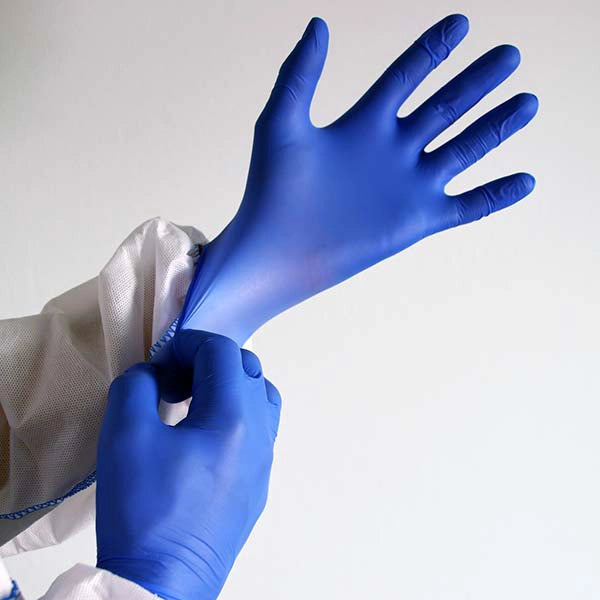

Here is a scene that plays out in kitchens, clinics, factories, and cleaning crews every single day: someone puts on a pair of disposable gloves at the start of a task and does not take them off until the task is done—regardless of how long that takes. Thirty minutes. An hour. Sometimes an entire shift. The gloves look fine, so they must still be working, right?
Wrong. By the time a disposable glove shows visible damage, it has likely been compromised for a while. Knowing when to replace your gloves is one of the simplest workplace safety habits—and one of the most commonly ignored. Wearing gloves past their useful life defeats the entire purpose of wearing them in the first place.
This guide is for anyone who wears disposable gloves at work or at home: healthcare workers, food handlers, cleaners, lab technicians, automotive mechanics, and business owners who supply PPE to their teams. You will learn the specific signs that a glove needs changing, recommended replacement timelines for common tasks, and the real risks of wearing gloves too long. You will also learn how to budget for proper glove usage so cost never becomes an excuse for cutting corners on safety.
What Does It Mean to “Replace Your Gloves”?
Replacing your gloves means removing a used pair of disposable gloves and putting on a fresh, unused pair. It does not mean pulling them off and putting the same pair back on. It does not mean rinsing them under water. Once a disposable glove leaves your hand, it is done. This is a core principle of glove hygiene and the foundation of every food safety, infection control, and workplace safety standard.
Disposable gloves—whether nitrile, latex, or vinyl—are engineered for limited, single-direction use. The material begins degrading from the moment it contacts skin oils, chemicals, heat, and friction. Replacement is not optional maintenance; it is part of the product’s design.
7 Signs You Need to Replace Your Gloves Immediately
Do not wait for a dramatic tear. These are the real indicators that your gloves have reached the end of their useful life.
1. Visible Tears, Holes, or Punctures
This is the obvious one, but it still needs saying. Any breach in the glove’s surface—no matter how small—means the barrier is broken. Chemicals, pathogens, and contaminants can pass through a pinhole just as easily as through a large rip. If you see damage, change immediately.
2. The Glove Feels Loose, Baggy, or Stretched Out
Disposable gloves lose elasticity over time, especially with heat and moisture from your hands. A loose-fitting glove reduces your grip, increases the chance of snagging, and signals that the material is fatigued. Once the fit degrades, the protection degrades with it.
3. Discoloration or Staining
If the glove has changed color—turned cloudy, yellowed, or shows stains that were not there when you put it on—the material is reacting to something. This is especially important during chemical handling. Discoloration is a visible sign of chemical permeation or degradation, and the glove should be replaced without delay.
4. The Glove Feels Stiff or Brittle
A fresh glove is flexible and stretchy. If yours feels stiff, crinkly, or cracks when you flex your fingers, the material has dried out or been chemically compromised. Brittle gloves are prone to sudden tearing—often at the worst possible moment.
5. Swelling or a “Puffy” Appearance
When certain chemicals attack glove material, the glove absorbs the substance and swells. This is a clear sign of chemical permeation. The glove may look intact on the outside, but the chemical is already passing through to your skin. Replace immediately and reassess whether your glove material is rated for that chemical.
6. Excessive Sweating or Moisture Inside the Glove
Extended wear causes perspiration to build up inside the glove. This moisture softens the material, weakens seams, and creates a breeding ground for bacteria on your skin. If you feel significant moisture buildup, it is time for a fresh pair. This is especially common in warm environments and during physically demanding tasks.
7. You Have Been Wearing Them for More Than 15–20 Minutes During Chemical Contact
Most disposable gloves are rated for incidental splash protection, not extended chemical exposure. Even if the glove looks and feels fine after 20 minutes of continuous chemical contact, the material may have been permeated at a molecular level. Time-based replacement is critical in any chemical-handling role.
When to Replace Gloves: Recommended Timelines by Task
Different tasks wear out gloves at different rates. Use this table as a practical starting point for your workplace glove-change schedule.
|
Task / Setting |
Replace Every |
Why |
|
Food preparation |
Between every task |
FDA Food Code requires glove changes between handling raw and ready-to-eat foods, after touching non-food surfaces, and at minimum every 4 hours of continuous use |
|
Medical / patient care |
Between every patient |
Infection control standards require a fresh pair for each patient contact; never reuse between patients |
|
Chemical handling (light) |
Every 15–20 minutes |
Disposable gloves provide splash protection only; chemical permeation begins within minutes depending on concentration |
|
Chemical handling (heavy) |
Every 10–15 minutes or sooner |
Concentrated solvents, acids, and industrial cleaners degrade glove material faster; use thicker gloves (6–8 mil) and change frequently |
|
Cleaning / janitorial |
Between rooms or every 20–30 min |
Prevents cross-contamination between areas (especially bathrooms to common spaces) and limits bleach/cleaner exposure time |
|
Automotive / mechanical |
Per task or when grip fades |
Oil and grease saturate glove material quickly; once grip quality drops, the glove is compromised |
|
General industrial |
Every 1–2 hours max |
Material fatigue from friction, heat, and repetitive motion; even without chemical contact, the barrier weakens over time |
|
Tattooing / piercing |
Between every client |
Bloodborne pathogen standards require single-client use; also change if gloves are punctured by needles |
Universal rule: Regardless of the task, always replace your gloves if they become torn, contaminated, or if you remove them for any reason. A removed glove is a used glove.
What Happens When You Wear Gloves Too Long
Wearing disposable gloves past their useful life is not just a minor oversight—it creates real, measurable risks.
Chemical Breakthrough
Every glove material has a breakthrough time: the number of minutes before a specific chemical begins permeating through to the skin. For a standard 4 mil nitrile glove in contact with acetone, breakthrough can occur in under 10 minutes. The glove may look completely normal while the chemical is already reaching your skin. This is why time-based replacement matters more than visual inspection during chemical work.
Bacterial Growth
The warm, moist environment inside a worn glove is ideal for bacterial multiplication. Studies have shown that bacterial counts on hands increase significantly after just 20 minutes of continuous glove wear. In healthcare and food service, this creates a paradox: the glove meant to protect against contamination becomes a contamination source itself.
Cross-Contamination
Using the same pair of gloves across multiple tasks—handling raw chicken and then plating a salad, cleaning a bathroom and then wiping down a kitchen counter—transfers contaminants from one surface to another. Gloves are only effective as a barrier when they are changed between tasks. Keeping the same pair on gives a false sense of protection while spreading exactly what you were trying to contain.
Skin Irritation and Dermatitis
Prolonged glove wear traps sweat against the skin, leading to maceration (softening and breakdown of skin tissue), contact dermatitis, and increased susceptibility to infection. Workers who wear gloves for extended periods without changing them frequently report higher rates of hand skin problems. Frequent glove changes paired with hand washing between changes is the accepted best practice.
Regulatory Violations and Fines
In food service, healthcare, and chemical-handling environments, failure to change gloves at required intervals can result in failed health inspections, OSHA citations, and fines. For food businesses, a single glove-related violation can trigger a failed inspection score that becomes public record. The cost of a box of gloves is trivial compared to the cost of a regulatory penalty.
Why Most People Wait Too Long to Replace Gloves
If the risks are so clear, why does almost everyone over-wear their gloves? The reasons are predictable—and all of them are fixable.
“They Still Look Fine”
Visual inspection is unreliable for disposable gloves. Chemical permeation, micro-tears, and bacterial buildup are all invisible. Glove replacement should be driven by time and task—not by appearance.
“We’re Trying to Save Money”
This is the most common excuse and the most counterproductive. A single workplace injury claim, failed health inspection, or contamination incident costs orders of magnitude more than a case of gloves. When you buy disposable gloves in bulk from a supplier like Gloves.com, the per-glove cost drops to as low as $0.05–$0.12. At that price, there is no financial justification for stretching a glove past its safe use window.
“It’s Inconvenient to Keep Changing”
Changing gloves takes about 10 seconds. The solution is placement: keep glove boxes at every workstation, not locked in a supply closet down the hall. When fresh gloves are within arm’s reach, compliance goes up dramatically.
“No One Told Me When to Change”
This is a management failure, not a worker failure. Every workplace that uses disposable gloves should have a clear, posted glove-change policy. The best policies are task-based (“change between every patient”) and time-based (“change every 20 minutes during chemical use”). Train once, reinforce regularly, and make gloves easy to access.
How to Build a Glove Replacement Schedule for Your Workplace
A formal replacement schedule eliminates guesswork and ensures consistent safety compliance. Here is how to create one in four steps.
Step 1: List Every Glove-Required Task
Walk through your operation and identify every task where gloves are worn. Note the type of hazard (chemical, biological, physical), the duration of the task, and whether workers move between different tasks while gloved.
Step 2: Assign Replacement Triggers
For each task, define when gloves must be changed. Use a combination of:
- Task-based triggers: “Change gloves between patients,” “Change gloves between raw and cooked foods”
- Time-based triggers: “Change gloves every 15 minutes during solvent use,” “Change gloves every 2 hours during general work”
- Condition-based triggers: “Change immediately if torn, stained, or loose”
Step 3: Calculate Your Monthly Glove Volume
Multiply: (gloves per task) × (tasks per worker per shift) × (workers) × (working days per month). This gives you an accurate monthly consumption number. Most businesses underestimate their glove needs by 30–50% because they are not accounting for proper change frequency.
Here is a quick reference for common scenarios:
|
Workplace Type |
Workers |
Gloves/Day |
Gloves/Month |
|
Small restaurant kitchen |
5 |
100–150 |
2,200–3,300 |
|
Medical clinic (10 providers) |
10 |
200–400 |
4,400–8,800 |
|
Cleaning crew |
8 |
80–160 |
1,760–3,520 |
|
Auto shop |
6 |
60–120 |
1,320–2,640 |
|
Manufacturing floor |
20 |
200–400 |
4,400–8,800 |
Step 4: Set Up Bulk Ordering
Once you know your monthly volume, order by the case. Bulk purchasing from Gloves.com saves 20–40% compared to buying individual boxes, ensures you never run out, and locks in consistent sizing and quality. Set a recurring order or stock a 2–3 month supply to eliminate the risk of running short.
Choosing the Right Glove for Frequent Replacement
If you are going to change gloves often (and you should), the glove you choose needs to balance protection, comfort, and cost. Here is a quick guide by material.
Nitrile Gloves
Best all-around choice for frequent replacement. Nitrile gloves resists chemicals, oils, and punctures. It is latex-free (no allergy risk), available in multiple thicknesses (3–8 mil), and competitively priced in bulk. If you are unsure which glove to stock, 4–5 mil nitrile covers the widest range of tasks.
Latex Gloves
Superior tactile sensitivity and elasticity make latex gloves ideal for tasks requiring fine motor control (medical exams, detailed lab work). Slightly cheaper per unit than nitrile. However, latex allergy risk means it is not suitable for all workplaces. Best for environments where allergy has been ruled out and dexterity is the top priority.
Vinyl Gloves
The most affordable option, but also the least protective. Vinyl gloves offers minimal chemical resistance and lower puncture resistance. It is acceptable for low-risk tasks like light food prep (no raw meat), basic cleaning with mild products, or short-duration general use. Not recommended for chemical handling, medical settings, or any task involving sharp objects.
No matter which material you choose, buying in bulk is the key to making frequent glove changes affordable. Visit Gloves.com to compare materials, thicknesses, and case pricing side by side.
Glove Change Best Practices: The Right Way to Replace Your Gloves
Changing gloves sounds simple, but doing it correctly matters. Poor removal technique can transfer contaminants from the glove’s outer surface to your skin or the surrounding environment.
Proper Glove Removal (The “Peel Method”)
- Pinch the outside of one glove at the wrist. Do not touch your bare skin.
- Peel the glove away from your hand, turning it inside out as you remove it.
- Hold the removed glove in your still-gloved hand.
- Slide a finger under the wrist of the remaining glove (touching only the inside surface).
- Peel the second glove off, turning it inside out over the first glove.
- Discard both gloves immediately. Do not set them down for later disposal.
- Wash your hands thoroughly with soap and water before putting on a fresh pair.
Critical detail: Always wash your hands between glove changes. Gloves are not a substitute for hand hygiene—they work together. Skipping the hand wash negates much of the benefit of changing gloves.
Frequently Asked Questions: When to Replace Your Gloves
How often should you replace disposable gloves?
It depends on the task. For food handling, change between every task and at least every 4 hours. For chemical work, change every 10–20 minutes. For medical care, change between every patient. For general work, change every 1–2 hours or immediately if the glove is torn, stained, or loose. Time-based and task-based replacement schedules are more reliable than visual inspection.
Can you reuse disposable gloves if you wash them?
No. Washing disposable gloves degrades the material, creates invisible micro-tears, and voids safety certifications. Once a disposable glove is removed, it should be discarded. Attempting to wash and reuse them puts the wearer at risk of chemical exposure, contamination, and skin irritation.
Why do my gloves tear so quickly?
Common causes include using the wrong size (too tight gloves tear at the fingertips), using too thin a glove for the task (3 mil gloves are not designed for rough mechanical work), or putting gloves on with wet or oily hands. Try sizing up, choosing a thicker glove (5–6 mil for general use, 7–8 mil for heavy-duty tasks), and making sure your hands are dry before gloving up.
How many disposable gloves does a business need per month?
Multiply: (gloves per worker per shift) × (number of workers) × (working days per month). A 10-person team using 10 gloves each per shift needs roughly 2,200 gloves per month. Most businesses underestimate by 30–50% when they do not account for proper change frequency. Ordering by the case from Gloves.com ensures you have enough supply at the lowest per-unit cost.
What is the cheapest way to replace gloves frequently?
Buy in bulk. Case pricing (typically 1,000 gloves per case) saves 20–40% over individual box purchases. At bulk rates, a single glove costs as little as $0.05–$0.12, making frequent replacement affordable even for high-volume workplaces. Visit Gloves.com for case pricing across nitrile, latex, and vinyl options.
Do thicker gloves last longer before needing replacement?
Thicker gloves offer longer chemical breakthrough times and greater puncture resistance, which can extend the safe wear window. A 6 mil nitrile glove may safely handle 15–20 minutes of chemical splash, while a 3 mil glove may need changing in under 10 minutes. However, thickness does not eliminate the need for regular replacement—it simply extends the interval. Always follow task-specific and time-based replacement guidelines regardless of thickness.
Stop Stretching Your Gloves—Start Replacing Them
The most expensive glove in the world is the one you wear too long. A torn glove during chemical handling, a contamination incident in your kitchen, a failed health inspection—all of these cost dramatically more than a fresh pair of disposable gloves. The habit of replacing your gloves on time is the simplest, highest-ROI safety practice any workplace can adopt.
Make it easy on your team: stock gloves at every workstation, post a clear change schedule, and buy in bulk so cost is never an excuse. When a case of 1,000 high-quality gloves costs less than a single compliance fine, the math speaks for itself.
|
Stock Up and Stay Protected Nitrile, latex, and vinyl gloves at bulk case pricing. Every material, every thickness, shipped fast. |

